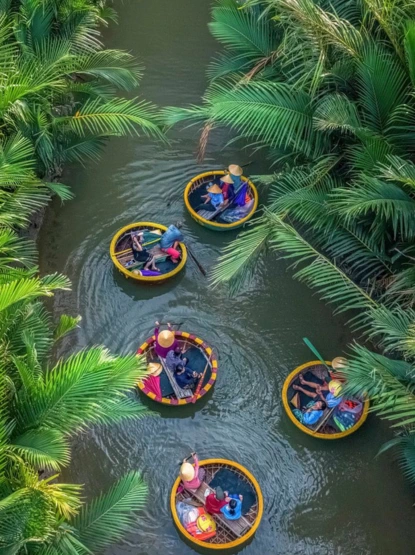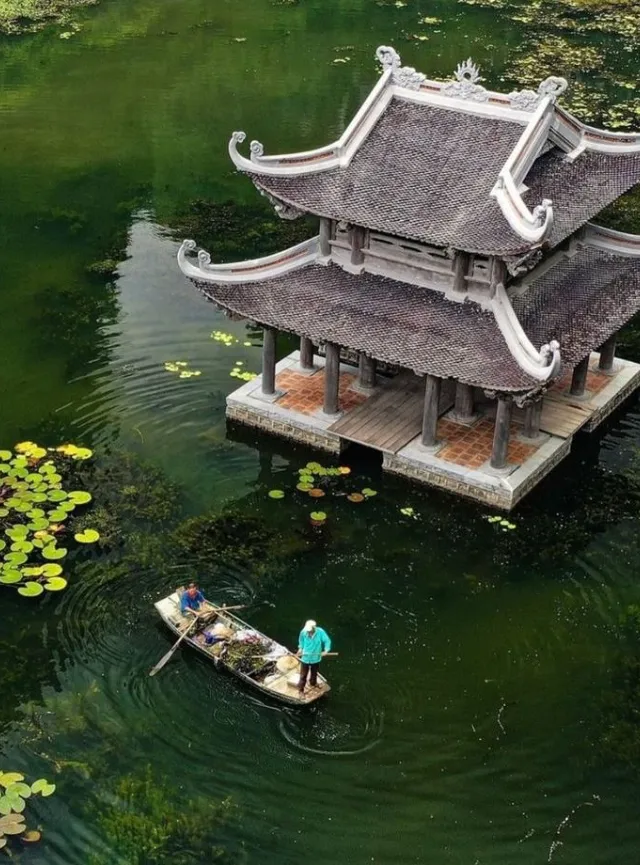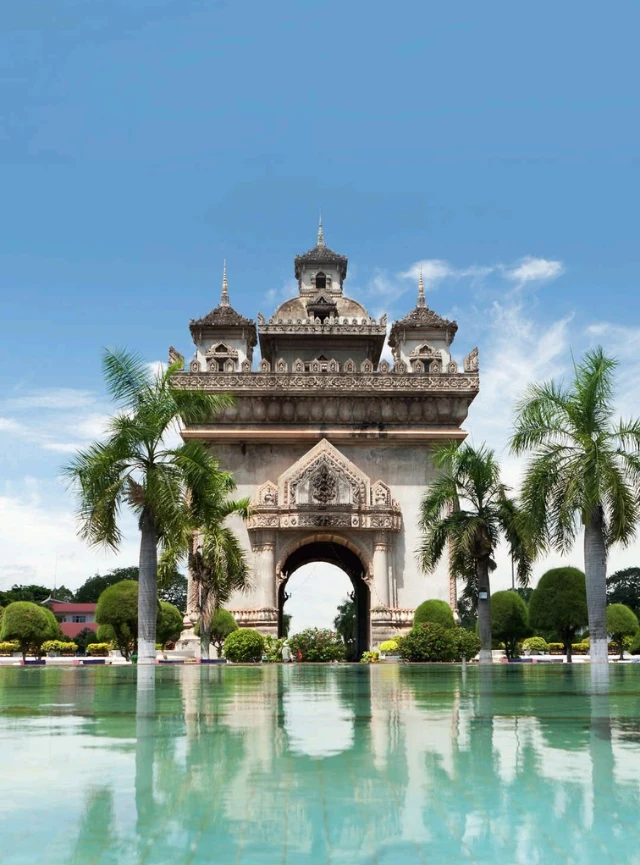
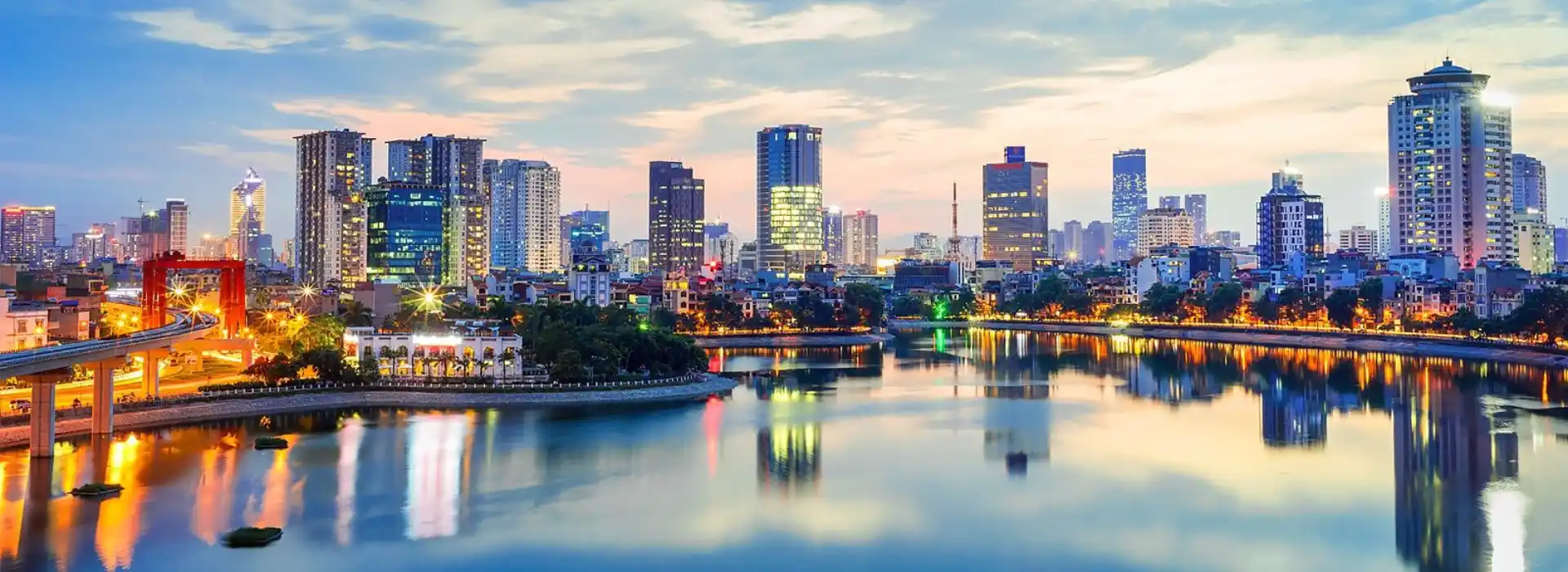
This is Hanoi capital city of Vietnam, located in the northern part of the country along the Red River. The city holds a central position in politics and administration and is one of the most important economic and cultural hubs of the nation. With a history of more than a thousand years, Vietnam Hanoi is considered the heart of the country throughout different periods of development.
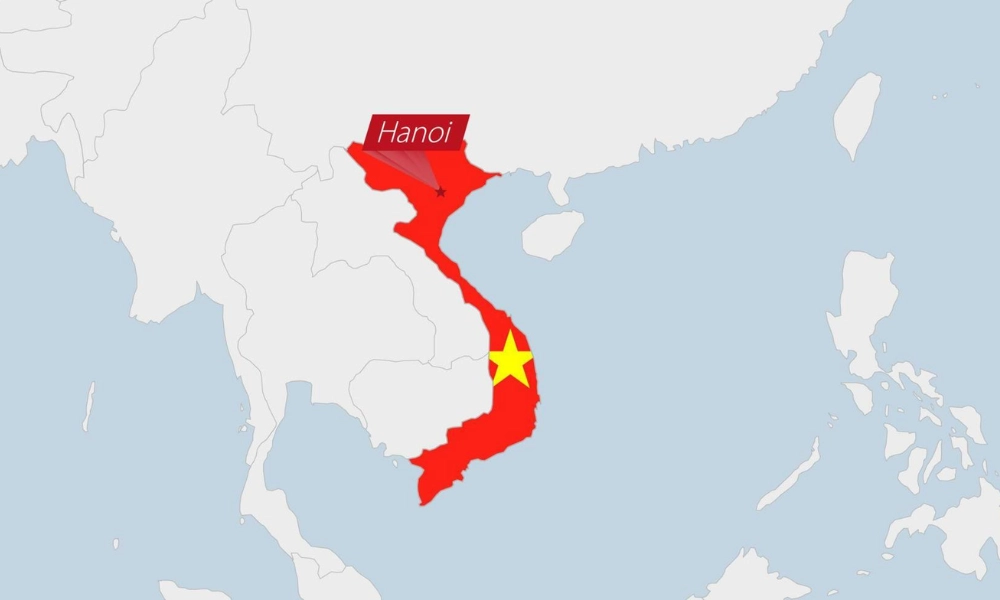
This capital city is not only significant in terms of history but also serves as a major center for education, diplomacy, and culture in Vietnam. In Vietnam tour itineraries, it is always one of the first familiar destinations alongside Ho Chi Minh City. From here, travelers can easily connect to other famous attractions in Northern Vietnam such as Ha Long Bay, Sapa, and Ninh Binh.
Overall, Hanoi is a harmonious blend of ancient charm and modern energy, where quiet old streets coexist with dynamic urban areas. The city impresses visitors with its green lakes, French colonial architecture, distinctive street food, and rich cultural life. Avex Vietnam Travel will help you discover in greater detail the must-visit places as well as the activities you should experience in Hanoi during your journey to Vietnam.
Hanoi Vietnam weather
Hanoi features a tropical monsoon climate with four distinct seasons: spring, summer, autumn, and winter. Spring is usually humid with light drizzle and cool air, creating the gentle and romantic atmosphere that characterizes the capital. Summer is hot and sometimes humid, with temperatures rising high and sudden rain showers that help cool the city down.
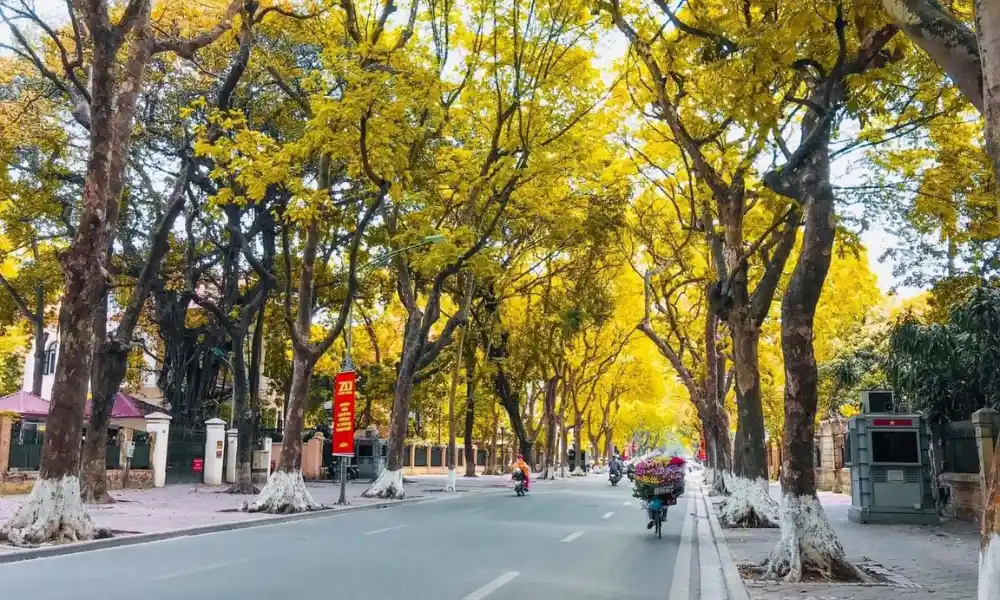
Autumn is considered the most beautiful season of the year, with dry weather, mild sunshine, and comfortable temperatures, making it ideal for walking tours and sightseeing. Winter in Hanoi can be quite cold, especially when the northeast monsoon arrives, bringing a characteristic chill to Northern Vietnam. The best time to visit Hanoi is typically during autumn (from September to November) or spring (from March to April), when the weather is pleasant and perfect for outdoor activities.
How to go to Hanoi?
To reach Hanoi, travelers can choose to travel by air, train, or road depending on their point of departure. When looking for flights to Hanoi Vietnam, visitors will arrive at Noi Bai International Airport, one of the largest airport Vietnam Hanoi hubs with numerous domestic and international flights operating daily. Noi Bai International Airport is located about 25–30 kilometers from the city center, and it takes approximately 30–45 minutes by car depending on traffic conditions.

From the airport, travelers can reach downtown Hanoi by taxi, ride-hailing services, or airport bus with flexible budget options. If continuing a Vietnam tour to destinations in Central Vietnam such as Da Nang, Hue, or Hoi An, or to Southern Vietnam including Ho Chi Minh City and the Mekong Delta, Hanoi serves as a convenient transit hub. In addition, from Hanoi, travelers can easily connect to international flights to join combined tours to other Southeast Asian countries.
Places to visit in Hanoi
Hanoi capital is home to many famous tourist attractions, ranging from long-standing historical sites to unique cultural and entertainment spaces. What these destinations share is a harmonious blend of traditional values, ancient architecture, and modern lifestyle, creating the distinctive character of a Vietnam Hanoi tour. Below, we will present each attraction in detail to help you better understand top places to visit in Hanoi.
Hoan Kiem Lake
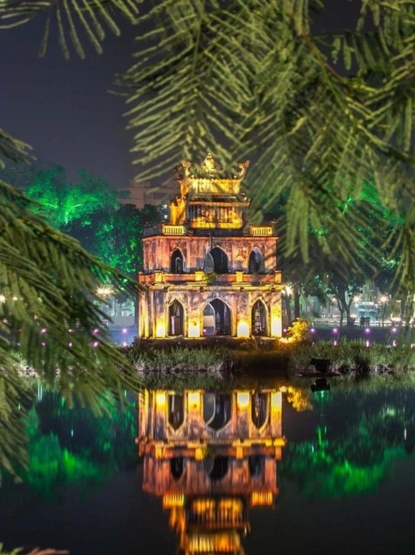
One of the most iconic symbols of Hanoi is Hoan Kiem lake, considered the soul of the capital Hanoi. It attracts a large number of visitors thanks to its open green space, scenic views, and convenient location near the Old Quarter. The area is ideal for walking, taking photos, exploring historical sites, and experiencing local life, especially on weekends when the pedestrian streets are open.
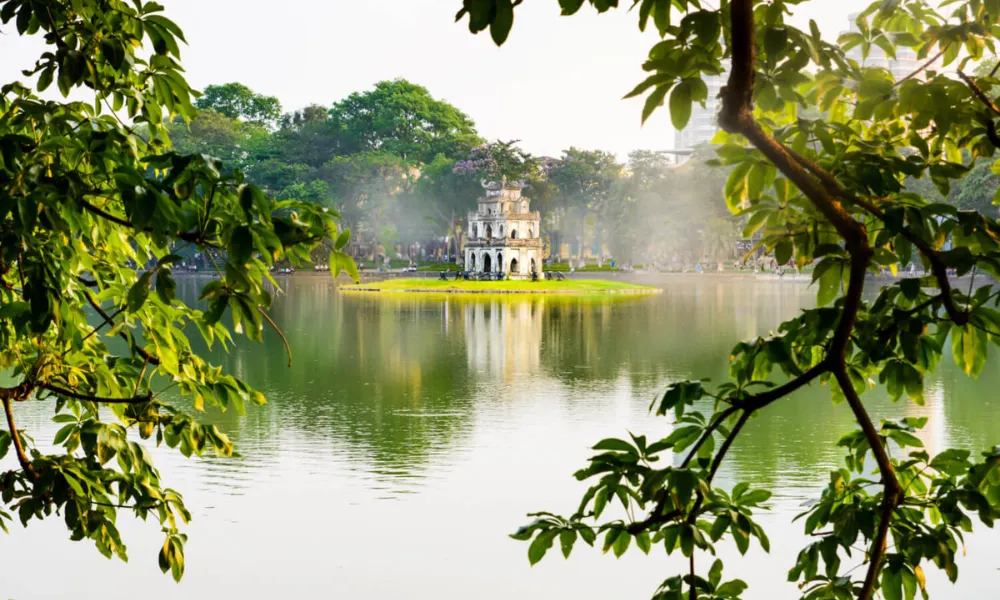
In the middle of the lake stands the ancient Turtle Tower, a small yet historically significant structure associated with the legend of King Le returning the magical sword. Ngoc Son Temple is situated on a small island in the lake and is dedicated to Tran Hung Dao and other revered figures, showcasing traditional Vietnamese architecture and spiritual beliefs. The bright red The Huc Bridge, gracefully curved like a silk ribbon, connects the shore to the temple and creates one of the most recognizable and photogenic scenes in Vietnam Hanoi.
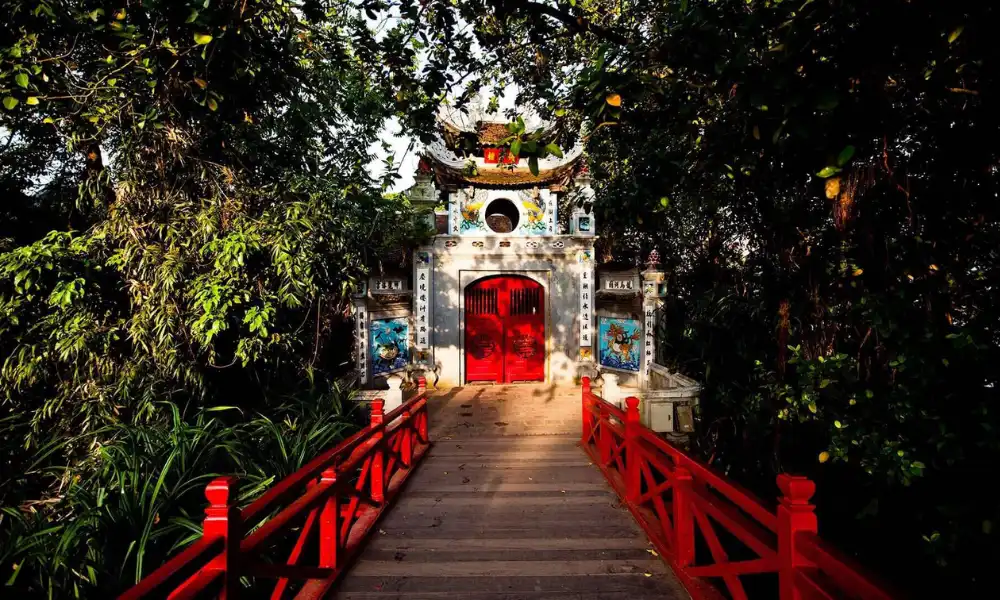
At the entrance to the temple stands Pen Tower, rising proudly as a symbol of scholarship and Vietnam’s long-standing literary tradition.Visitors are recommended to explore Hoan Kiem Lake early in the morning to enjoy the fresh air and watch locals exercising around the lake. The evening is also an ideal time to visit, when the area is beautifully illuminated and becomes lively, especially during weekends.
Hanoi Old Quarter
The Old Quarter of Hanoi in Vietnam is a historic area located in the heart of the capital, renowned for its hundreds of years of formation and development. It is characterized by ancient architecture, featuring narrow tube houses lined closely together, moss-covered tiled roofs, and distinctive small alleyways. Visitors to the Old Quarter can enjoy a cyclo ride, allowing them to slowly observe the vibrant daily life and experience the traditional atmosphere of Hanoi.
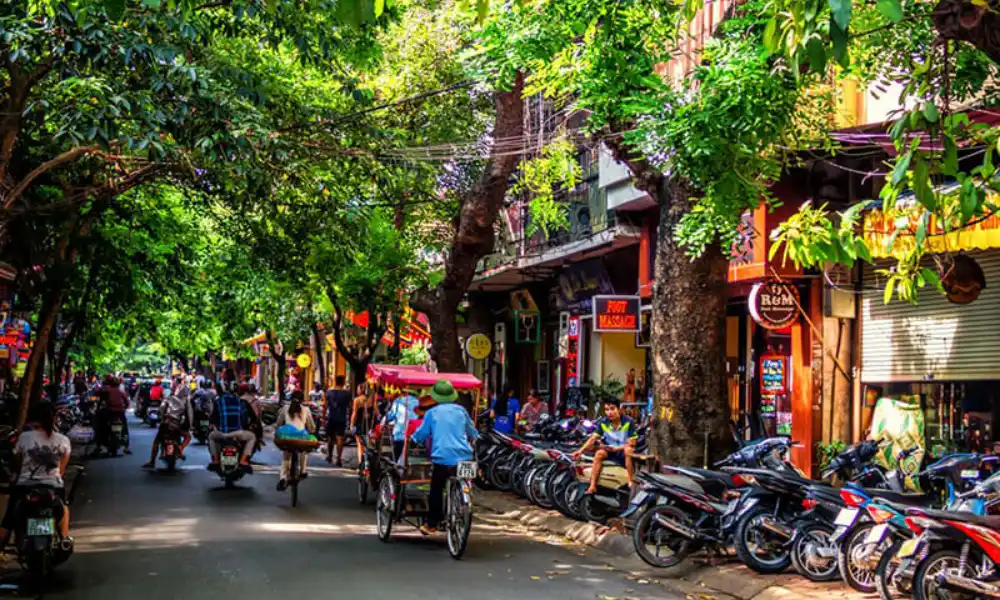
This area is also known as the “36 Streets,” as each street was historically associated with a specific craft or trade. As you stroll through the streets, you will encounter bustling shops, long-established family-run eateries, and traditional handicraft products. The Old Quarter of Hanoi is not only a historical attraction but also an ideal place to explore the culture, cuisine, and everyday life of the capital’s residents.
Temple of Literature
The Temple of Literature – Imperial Academy is one of the most famous and representative historical sites in Hanoi. It is considered the first university of Vietnam, built in the 11th century and closely associated with the nation’s long-standing tradition of valuing education. Thanks to its historical, cultural, and architectural significance, it has become a must-visit destination for travelers to the capital.
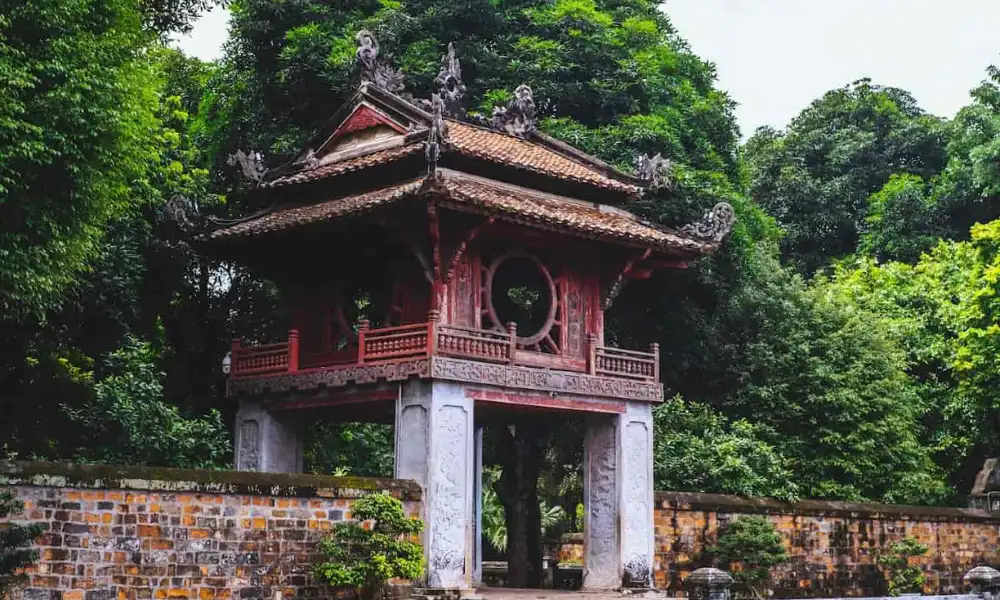
When visiting the Temple of Literature, tourists can learn about Vietnam’s ancient education system, admire the Doctors’ Stelae, and explore the peaceful and well-preserved traditional architecture. The spacious courtyards, gardens, and ponds also provide an ideal setting for photography and quiet reflection. In addition, the site offers a night tour featuring light shows and historical storytelling performances, creating a unique and engaging experience for visitors.
Ho Chi Minh Mausoleum
Besides, Ho Chi Minh Mausoleum is one of the most important and sacred historical landmarks in Hanoi. It is the place where the preserved body of President Ho Chi Minh, the beloved leader of the Vietnamese people, is kept. Because of its profound historical and symbolic significance, the Mausoleum has become a famous attraction that draws both domestic and international visitors.
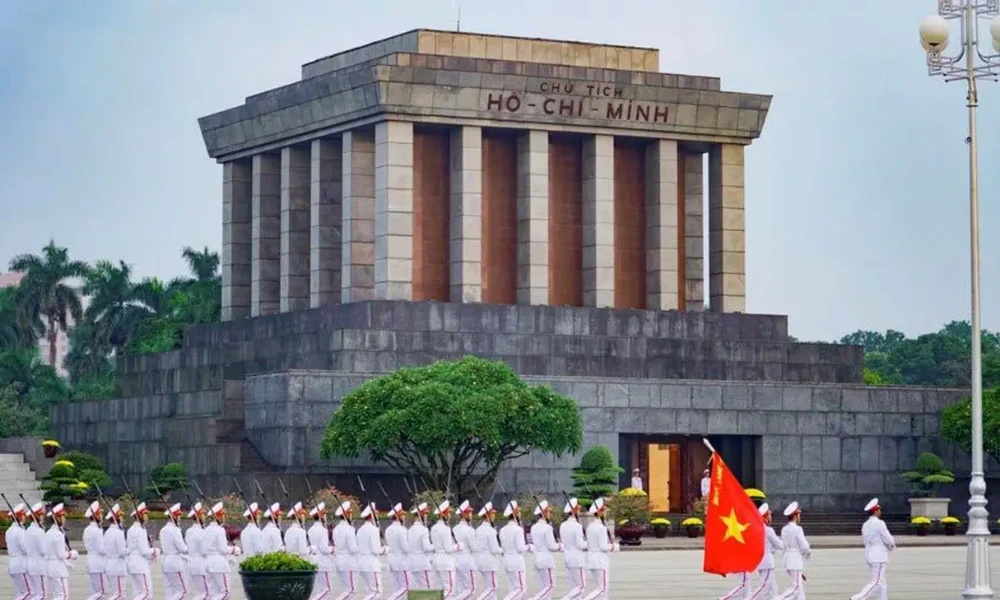
The monument is located at Ba Dinh Square, where President Ho Chi Minh proclaimed the Declaration of Independence in 1945, marking the birth of the Democratic Republic of Vietnam. The square is vast and solemn, with large green lawns that create a dignified and meaningful atmosphere. When visiting, travelers have the opportunity to enter the Mausoleum to pay their respects and learn more about his life and legacy.
Within the nearby Presidential Palace complex, visitors can explore the simple stilt house where he lived and worked for many years. The house reflects his modest lifestyle and close connection to nature. Surrounding the area is a peaceful garden with fish ponds and shaded trees, offering a calm environment that helps visitors better understand President Ho Chi Minh’s simple and humble way of life.
One Pillar Pagoda
The One Pillar Pagoda is a symbolic spiritual landmark of Hanoi, well known for its extraordinary architecture and historical value. Built in the 11th century during the Ly Dynasty, the pagoda represents an important part of Vietnam’s Buddhist heritage. The structure stands gracefully on a single stone pillar above a small lotus pond, creating the impression of a lotus blossom rising from the water.
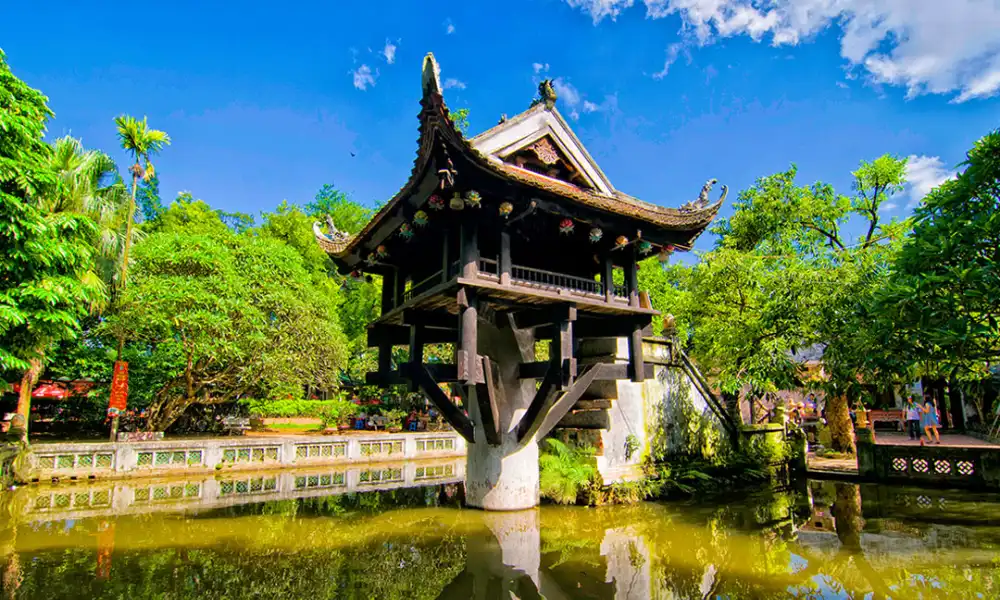
This lotus-inspired design symbolizes purity, enlightenment, and harmony in Buddhist philosophy. Despite its small size, the pagoda remains one of the most visited cultural attractions in the capital. Located near the Ho Chi Minh Mausoleum complex, it is often included in Hanoi city tours and offers visitors a peaceful and meaningful cultural experience.
West Lake
As its name suggests, West Lake is located to the northwest of Hanoi’s city center and is the largest natural lake in the capital. With its wide surface area and open surroundings, it is considered the “green lung” of the city. West Lake is especially famous for its stunning sunsets, attracting both locals and visitors who come to stroll and take photos.
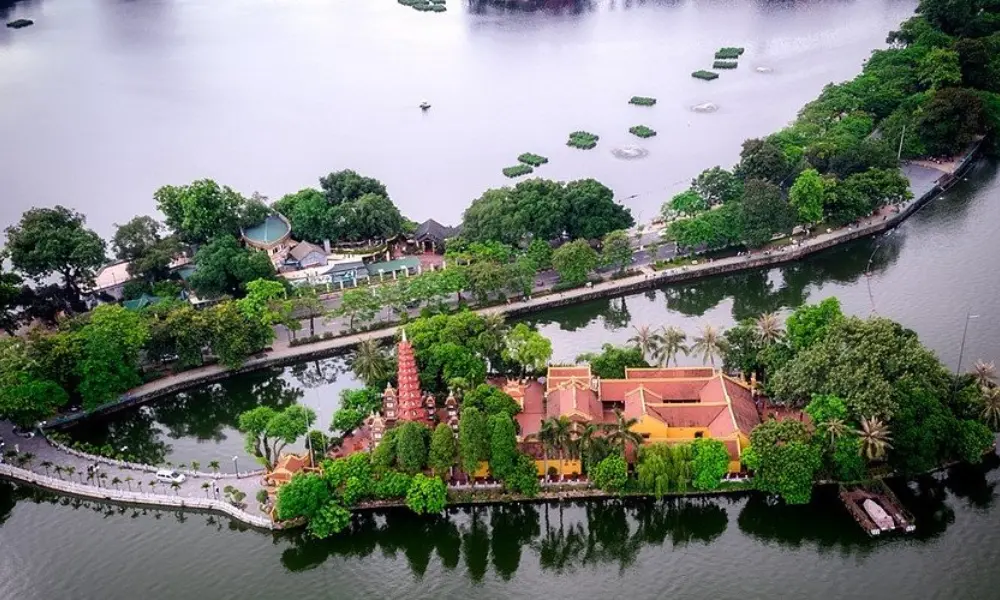
The area around the lake is home to numerous cafés, restaurants, and upscale hotels offering beautiful lake views. Visitors can enjoy cycling, walking, or simply relaxing while taking in the peaceful atmosphere. West Lake combines romantic charm with a modern vibe, creating a distinctive space that contrasts with the bustling Old Quarter.
Tran Quoc Pagoda
Located next to West Lake, Tran Quoc Pagoda is one of the oldest and most sacred temples in Hanoi. With a history of more than 1,500 years, it is considered one of the most ancient Buddhist centers in Vietnam. The pagoda’s architecture stands out with its tall, multi-tiered red stupa, creating a striking highlight against the green surroundings of the lake.
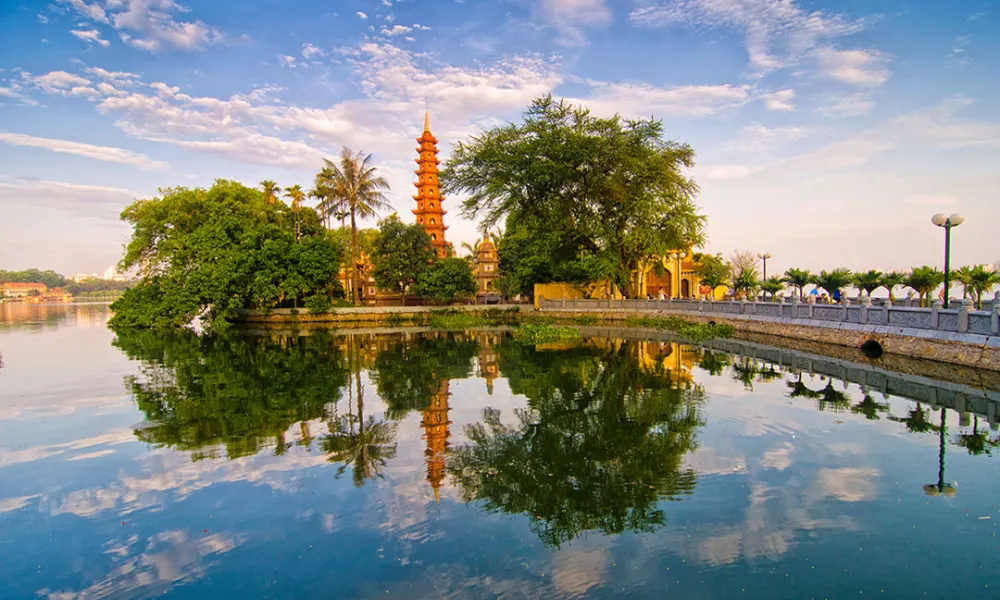
The temple grounds are quiet and peaceful, making it an ideal place for sightseeing and worship. Visitors can learn about the history of Vietnamese Buddhism and admire valuable ancient Buddha statues. Tran Quoc Pagoda is especially beautiful at sunset, when the golden light reflects on the lake, creating a solemn yet poetic atmosphere.
Things to do in Hanoi Vietnam
If you want your trip to Hanoi to be truly fulfilling and memorable, take time to explore the city’s unique culture and distinctive way of life. Combining visits to famous attractions, experiencing traditional cuisine, and immersing yourself in the vibrant street atmosphere will help you better appreciate the charm of the capital. Below are some activities you should experience when visiting Vietnam capital city Hanoi.
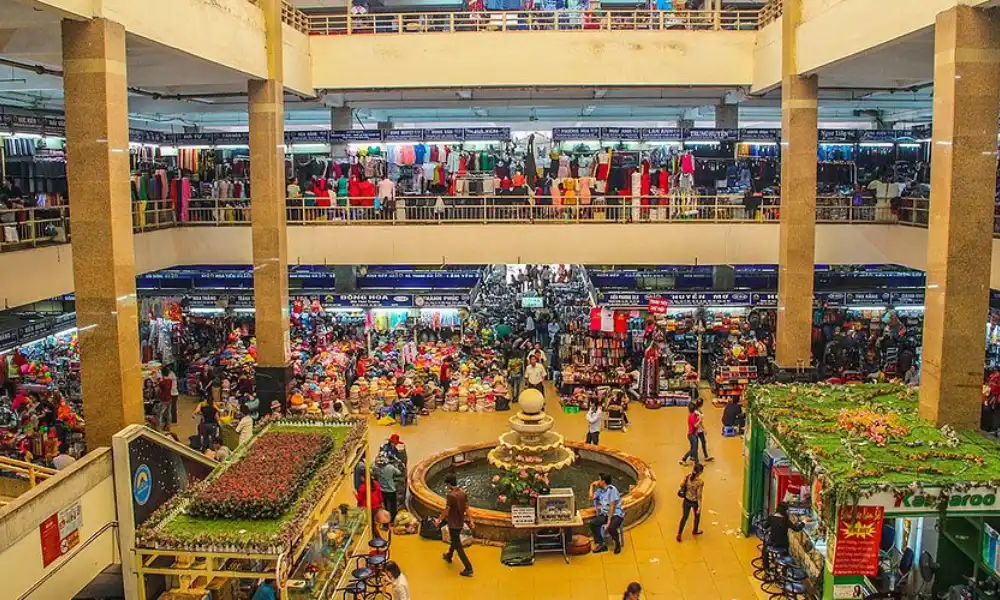
Explore Dong Xuan Market
Dong Xuan Market is one of the largest and most bustling traditional markets in Hanoi. Here, you can explore countless stalls selling clothes, souvenirs, household goods, and local specialties at affordable prices. It is also a great place to experience the lively trading atmosphere and daily life of local people.
Watch a water puppet show
The water puppet show is a unique cultural experience in Hanoi. This traditional art form dates back over a thousand years and originated in the rural villages of northern Vietnam. The performance takes place on a water stage, where wooden puppets glide gracefully across the surface.
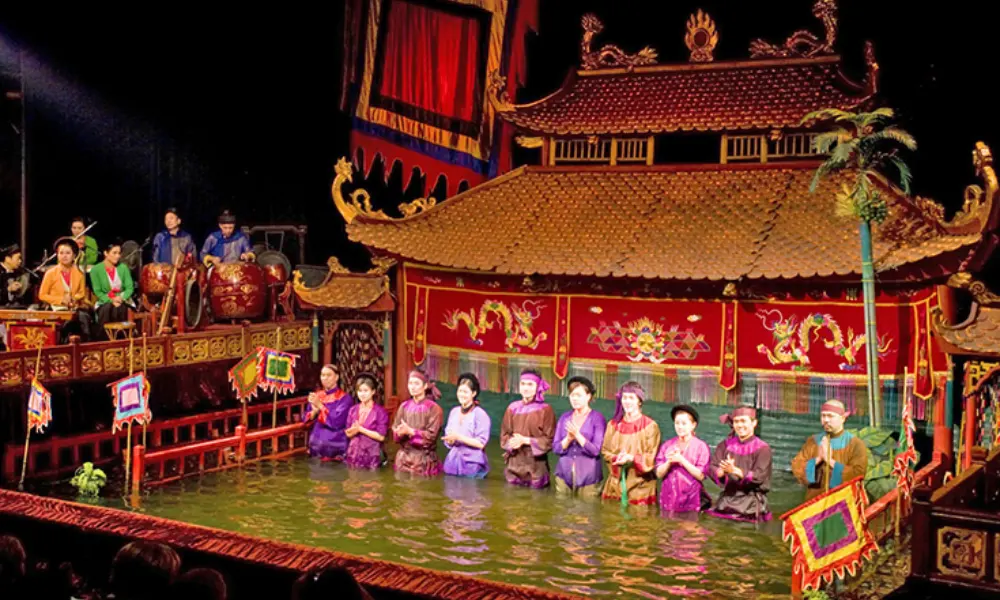
The stories often portray Vietnamese legends, historical tales, and scenes of countryside life. Live traditional music and singing accompany the show, creating a vibrant and authentic atmosphere. It is an entertaining and meaningful way to learn more about Vietnamese culture.
Join a food tour
Vietnamese street food in Hanoi is well known for its fresh ingredients, harmonious flavors, and long-standing culinary traditions. As you walk through the Old Quarter, you will easily come across small street vendors and sidewalk eateries serving hot, flavorful dishes prepared right in front of you. Below are the Vietnamese foods we have listed:
Pho: A fragrant noodle soup with rich broth, rice noodles, and tender slices of beef or chicken, considered a signature dish of Hanoi.
Bun Cha: Grilled pork patties and slices served with vermicelli noodles, fresh herbs, and a sweet and savory dipping sauce.
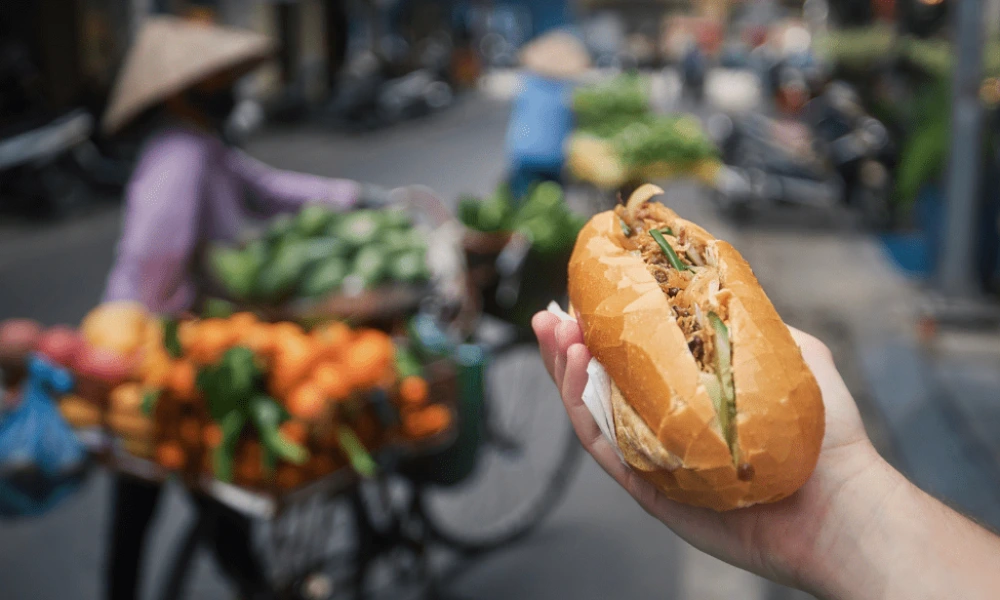
Banh Mi (Bocadillo): A crispy baguette filled with savory meats, pâté, pickled vegetables, and herbs, blending Vietnamese and French influences.
Nem Ran (Rollito de primavera): Golden, crispy rolls filled with minced pork, mushrooms, and glass noodles, often enjoyed with fresh herbs.
Bun Thang: A delicate noodle soup made with shredded chicken, egg, and pork, offering a light yet refined flavor typical of Hanoi cuisine.
Enjoy the sunset and have coffee
Coffee culture plays an important role in daily life in Hanoi. Locals often gather at small cafés to chat, relax, or simply watch the streets go by. Vietnamese coffee is known for its strong flavor and is traditionally brewed using a small metal drip filter called a “phin.”
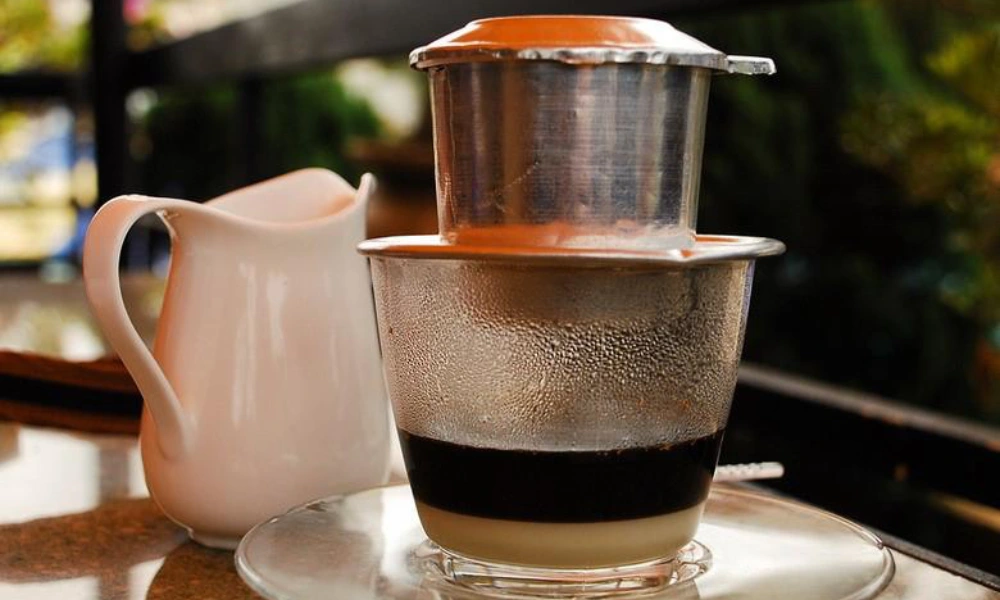
One of the most famous specialties is egg coffee, which combines bold coffee with a creamy, sweet topping. Sitting by the lake at sunset with a cup of coffee offers a peaceful and romantic atmosphere. It is a simple yet meaningful way to experience the rhythm of Vietnam Hanoi life.
Watch a performance at the Hanoi Opera House
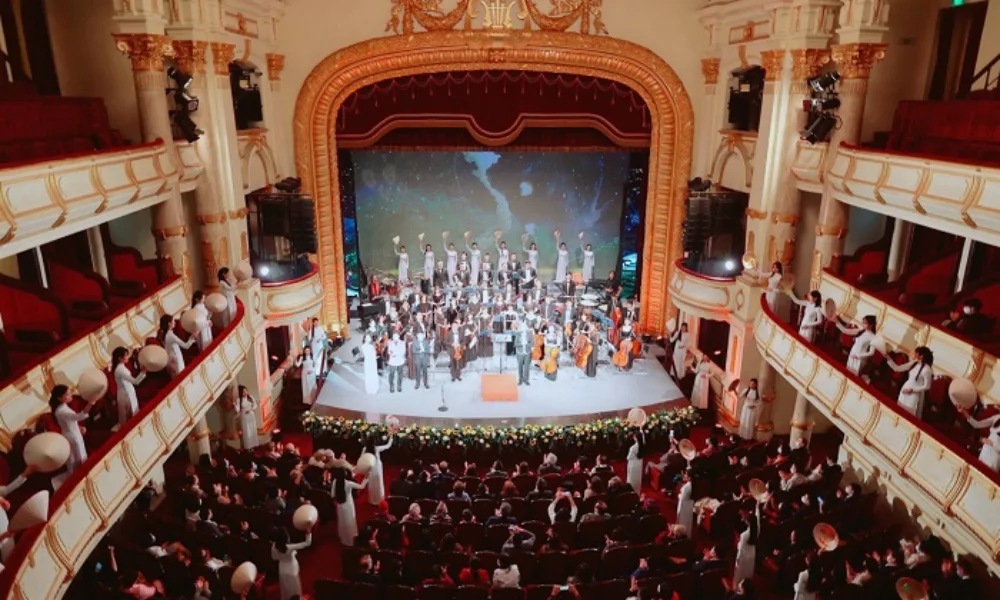
Attending a performance at the Hanoi Opera House is a refined cultural experience in the heart of the city. The opera house usually opens during scheduled performances in the evening, so visitors should check the timetable and arrive early to observe the beautiful French colonial architecture. Watching a concert, ballet, or traditional show here allows you to appreciate both artistic excellence and historical elegance.
Hotels at Hanoi Vietnam
Hotels in Hanoi Vietnam offer a wide range of services, from comfortable 3-star accommodations to luxurious 5-star properties with world-class facilities. Visitors can enjoy modern amenities, fine dining restaurants, spas, swimming pools, and convenient locations near major attractions. Below is a selection of well-known 5-star hotels in Hanoi along with their addresses:
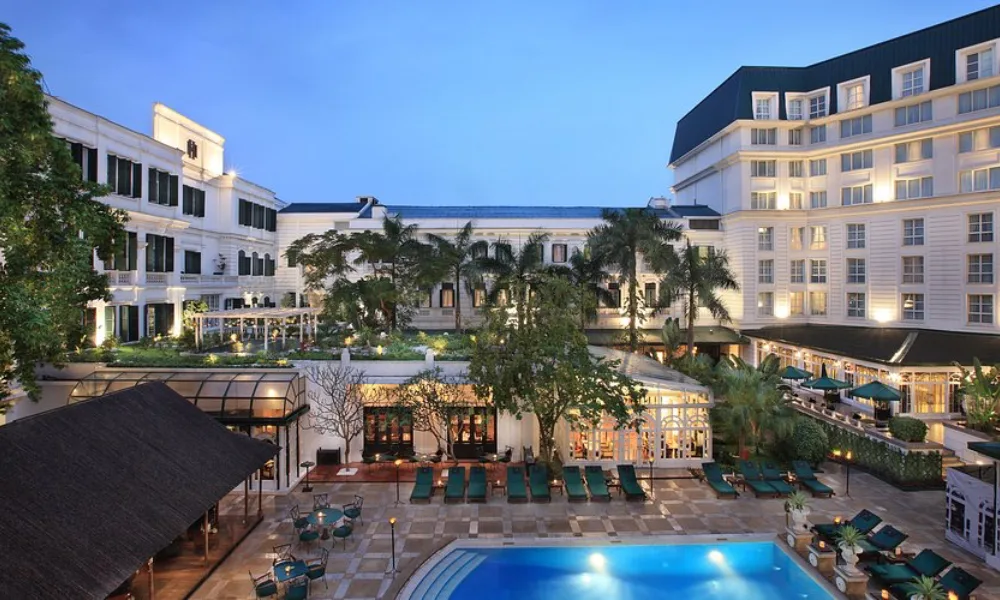
Sofitel Legend Metropole Hanoi – 15 Ngo Quyen Street, Hoan Kiem District, Hanoi, Vietnam.
JW Marriott Hotel Hanoi – No. 8 Do Duc Duc Street, Me Tri Ward, Nam Tu Liem District, Hanoi, Vietnam.
InterContinental Hanoi Westlake – 5 Tu Hoa Street, Quang An Ward, Tay Ho District, Hanoi, Vietnam.
Lotte Hotel Hanoi – 54 Lieu Giai Street, Ba Dinh District, Hanoi, Vietnam.
Capella Hanoi – 11 Le Phung Hieu Street, Hoan Kiem District, Hanoi, Vietnam.
Apricot Hotel Hanoi – 136 Hang Trong Street, Hoan Kiem District, Hanoi, Vietnam.
In conclusion, Vietnam Hanoi offers a perfect blend of history, culture, cuisine, and vibrant city life, making it an unforgettable destination for every traveler. After continuing your journey in Hanoi, you can explore Central Vietnam or Southern Vietnam to experience different landscapes, cultures, and lifestyles. Make sure you have a Vietnam tourist visa ready and if you wish to relax by the sea, you may choose famous coastal cities such as Da Nang, Nha Trang, Phu Quoc, Mui Ne, or Vung Tau for the next chapter of your adventure.