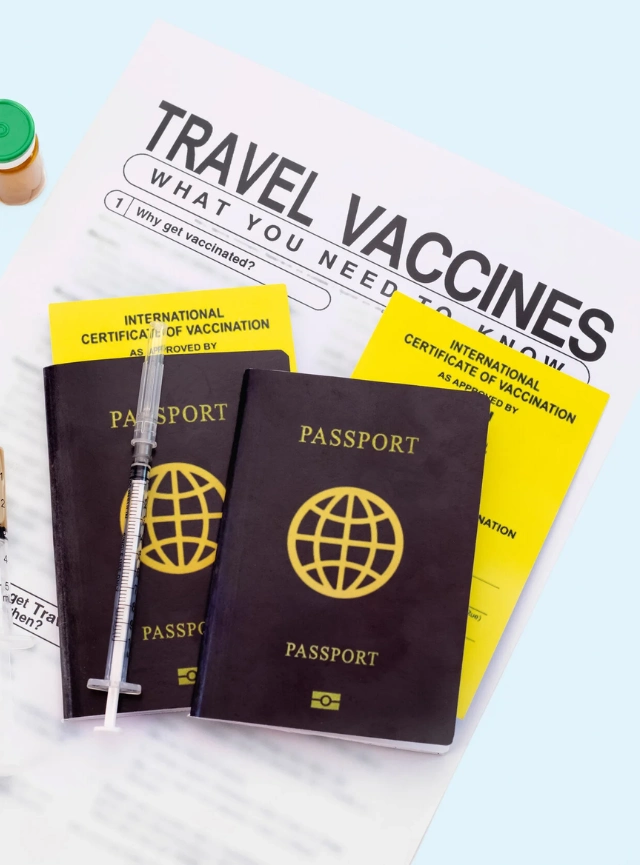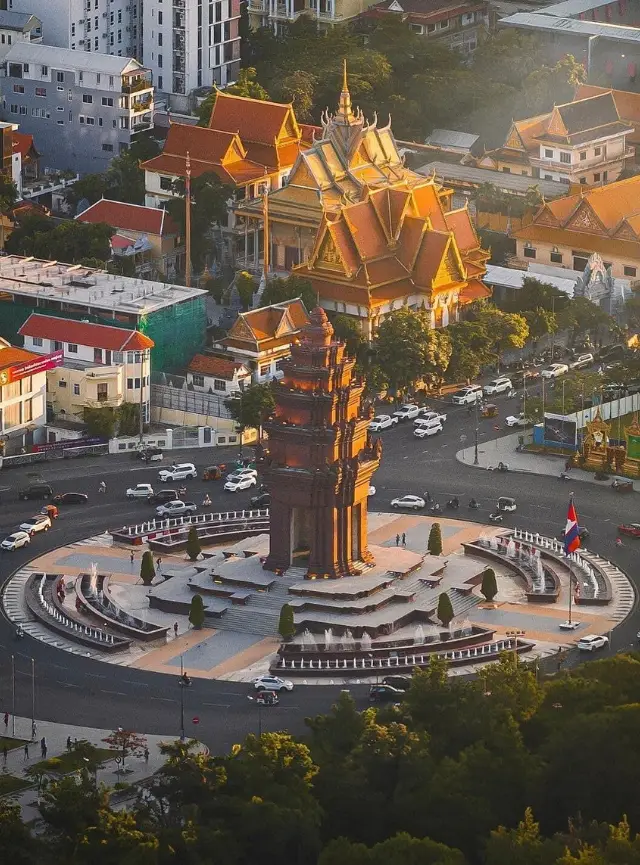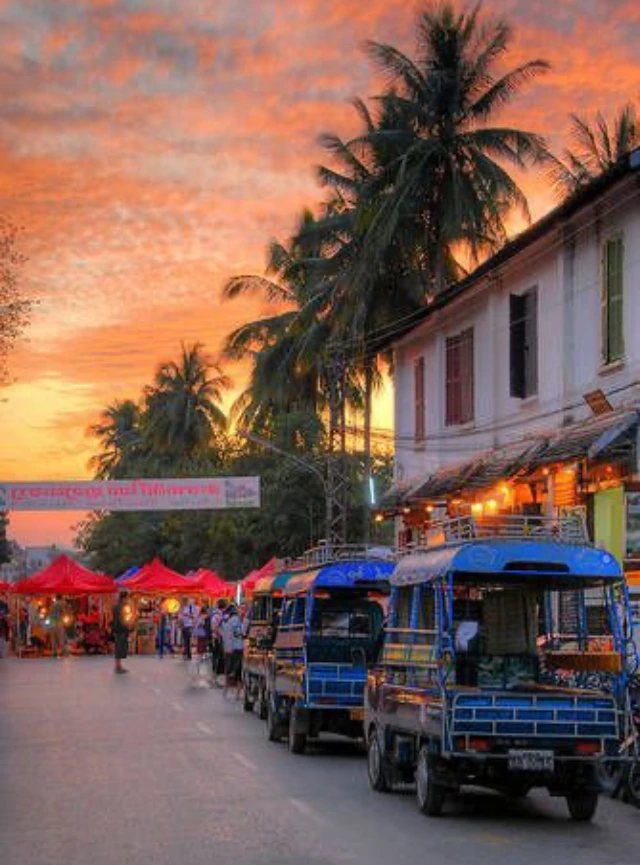
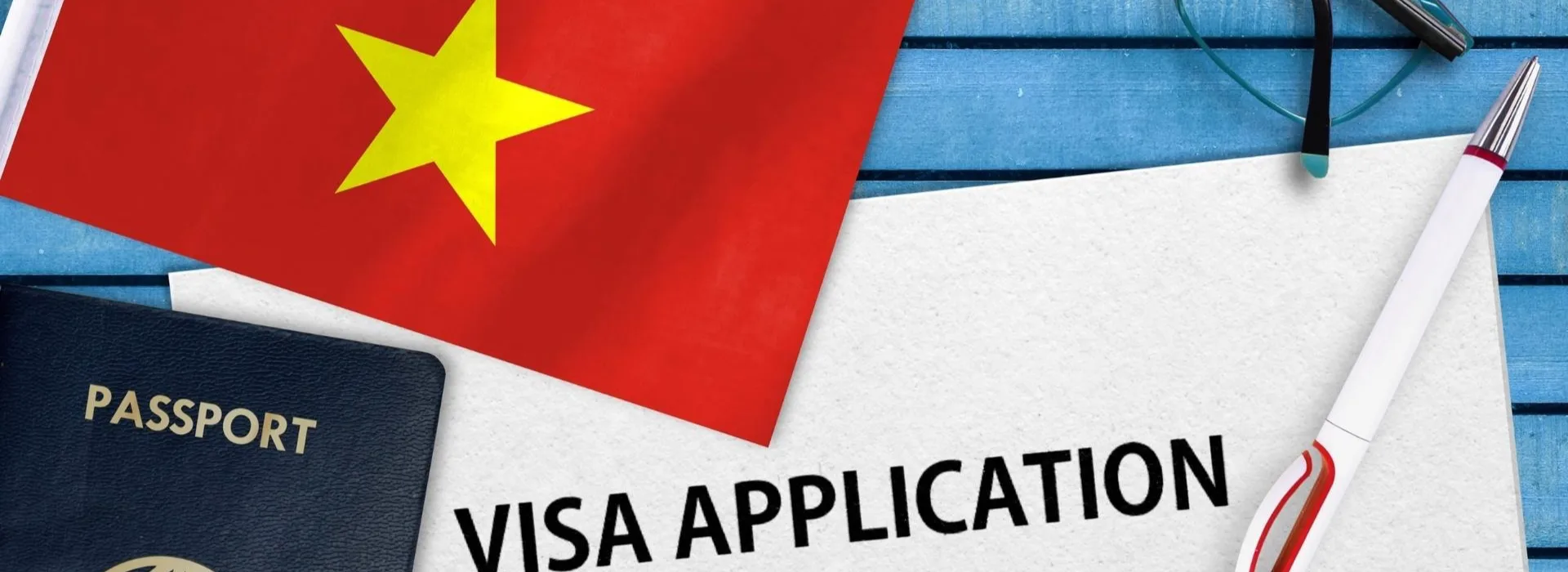
Vietnam is a captivating destination with breathtaking landscapes, a rich cultural heritage, and friendly people. Before beginning your journey to explore Vietnam, our beautiful country, preparing your entry documents is an essential step. Among them, the Vietnam travel visa is the “key” that opens the door to unforgettable experiences.
Vietnam is a vibrant and diverse destination, offering everything from stunning beaches to majestic mountains and bustling cities. Rich in history and culture, it promises unforgettable experiences, whether you’re exploring ancient temples, savoring world-renowned cuisine, or immersing yourself in local traditions. With its warm hospitality and unique landscapes, Vietnam is an ideal place for travelers seeking both adventure and relaxation.
Today, the Vietnamese government has simplified the visa process to make it easier for international travelers. From the convenient E-visa system to visa exemption programs, you can easily choose the option that best fits your travel plans. This article by Avex Vietnam Travel will guide you through everything you need to know before you travel to Vietnam.
What is a travel visa?
A travel visa Vietnam is an entry permit issued by the Government of Vietnam for foreigners who wish to visit the country for tourism, leisure, or cultural exploration. It is one of the most common visa types, designed especially for international travelers eager to experience the natural beauty and hospitality of Vietnam. Typically, a tourist visa is valid for 30 or 90 days, depending on the traveler’s nationality and travel plans.
You can choose between a single-entry visa, which allows entry to Vietnam only once during the visa’s validity, or a multiple-entry visa. It permits multiple entries without reapplying for a new visa. Unlike other types of visas such as business, student, or work visas, the travel visa to Vietnam does not allow the holder to engage in employment, study, or commercial activities.
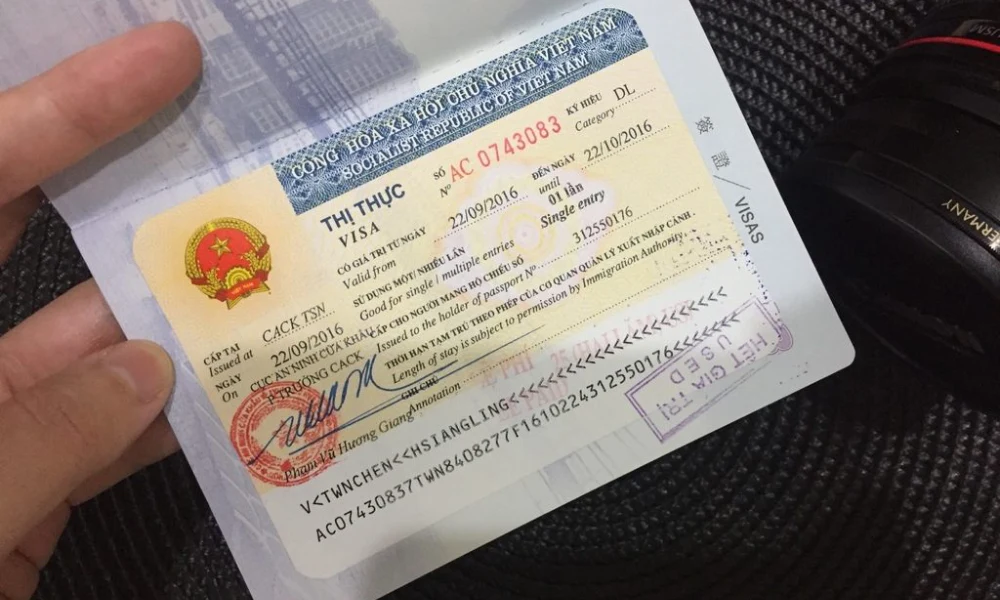
It is strictly intended for those coming to sightsee, relax, and explore Vietnam’s destinations. Understanding the concept and features of the travel visa will help you select the right visa type for your trip. Besides, you can avoid any unnecessary complications during your entry or stay in the country.
Types of travel visas to Vietnam?
There are several types of Vietnam travel visa designed to suit the different needs of international visitors. Each option varies in terms of application method, duration of stay, and entry conditions. Below, we will list and explain the main types of travel visas available for Vietnam.
E-visa (Electronic Visa)
The E-visa Vietnam is an online travel authorization issued by the Vietnamese Government for citizens of more than 80 countries and territories. You can easily complete the application form, upload a recent photo and a copy of their passport, and make an online payment of 25 USD. The process is straightforward and can be done entirely from home, saving time and effort.
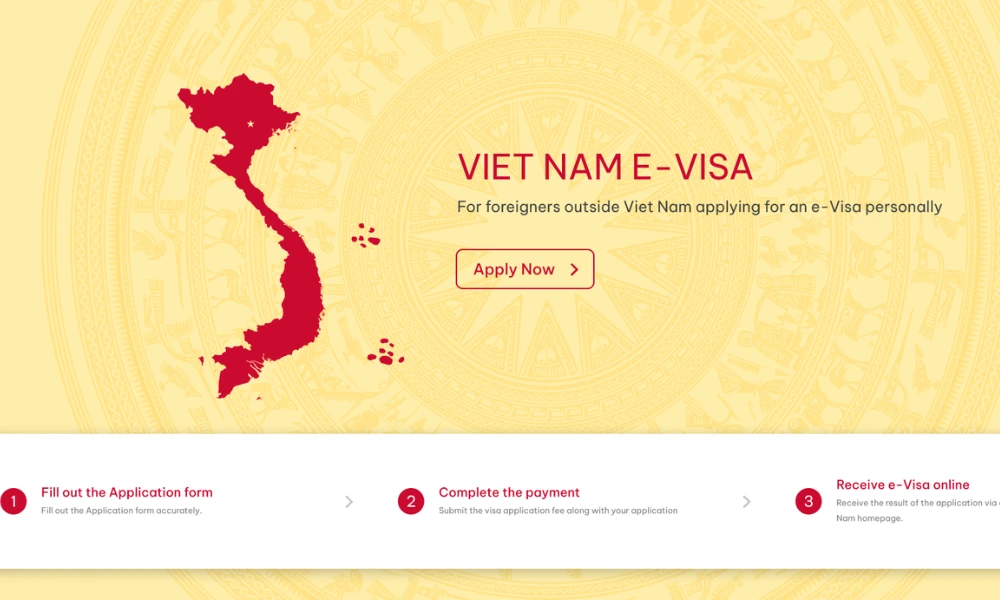
An E visa Vietnam allows visitors to stay in Vietnam for up to 90 days, with the choice of a single-entry or multiple-entry option depending on their travel plans. The approval result is usually delivered by email within 3 to 5 working days, making it fast and convenient. This type of visa is perfect for independent travelers who value simplicity, efficiency, and flexibility when planning their trip to Vietnam.
Visa on Arrival (VOA)
The Vietnam visa on arrival is a popular option for travelers who plan to enter Vietnam by air through major international airports such as Hanoi, Da Nang, or Ho Chi Minh City. Before boarding the flight, applicants need to obtain an Approval Letter from an authorized Vietnamese travel agency or sponsor. This document serves as official permission to receive the visa once arriving in Vietnam.
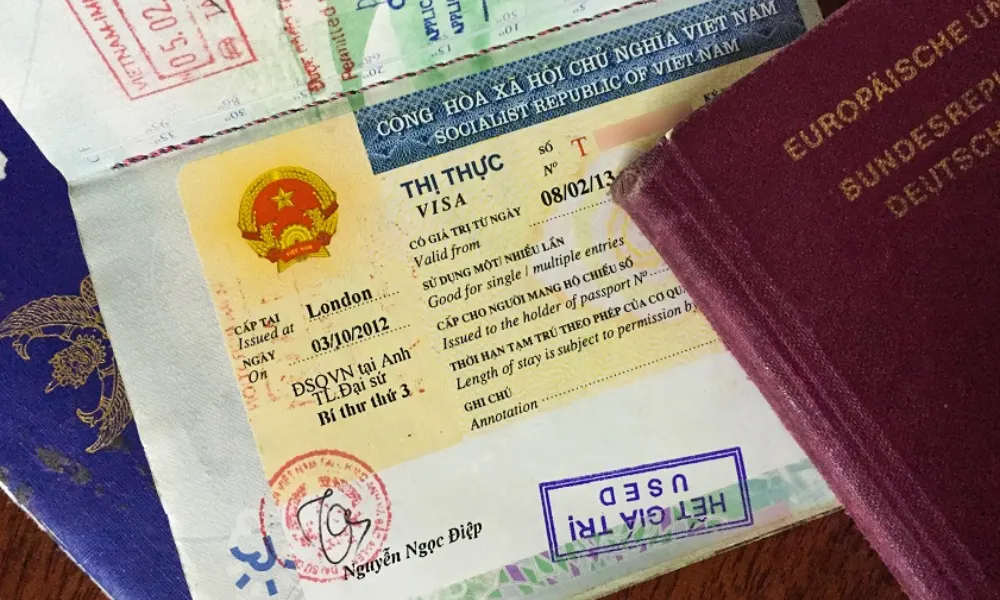
At the airport, travelers must present the approval letter, their passport, two passport-sized photos, and pay the stamping fee at the visa counter. The visa on arrival Vietnam process is generally quick and convenient, with staff available to assist foreign visitors. It is especially suitable for travelers who prefer flexibility or do not have access to a Vietnamese embassy in their home country.
Visa Exemption
Vietnam offers a Visa Exemption policy for citizens of various countries, and other ASEAN nations. Under this policy, eligible travelers can enter Vietnam without applying for a visa in advance, making short-term trips much more convenient. The exemption period varies between 14 and 45 days, depending on the bilateral agreements between Vietnam and each country.
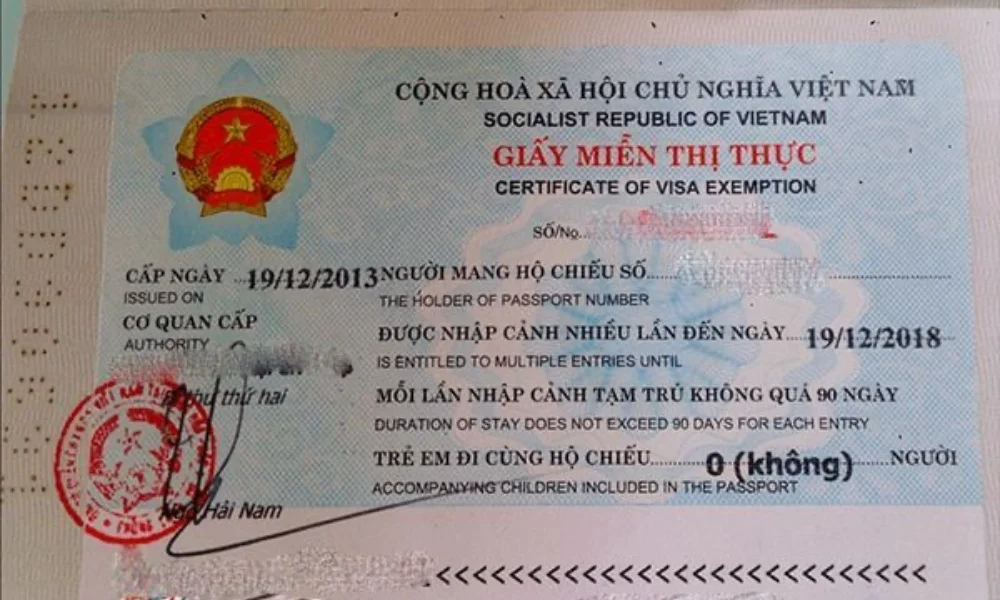
To qualify, visitors must hold a passport valid for at least six months and possess a return or onward ticket confirming their departure plans. This streamlined entry process saves time and effort, especially for frequent or spontaneous travelers. Overall, the visa exemption program plays a key role in boosting international tourism and strengthening Vietnam’s global connections.
How to apply for Vietnam visa?
There are several ways to apply for a Vietnam travel visa, depending on your nationality, travel purpose, and personal preferences. Each method has its own process, required documents, and processing time. Below are the three most common and convenient ways to obtain a visa to enter Vietnam.
Applying for an E-visa
Firstly, applying for an E-visa is considered the easiest and most convenient option for most international travelers visiting Vietnam. The entire process is done online, where applicants fill out a short form, upload a recent passport photo and a scanned copy of their passport’s biographical page, and pay a 25 USD processing fee. The system is user-friendly, allowing applicants to complete the procedure in just a few minutes from any device with an internet connection.
After submission, the processing time typically takes between 3 to 5 working days, and the result is sent directly to the applicant’s email. Once approved, travelers can print out the E-visa and present it to immigration officers upon arrival in Vietnam. This fully digital method eliminates the need to visit an embassy or mail documents, making it ideal for those who value speed, convenience, and simplicity.
Applying at a Vietnamese Embassy or Consulate
For travelers who prefer a traditional process or are not eligible for an E-visa, applying through a Vietnamese Embassy or Consulate is the best choice. Applicants must submit a completed visa form, passport photos, and their valid passport, either in person or by mail. Depending on the embassy, the processing time usually takes from 3 to 7 working days.
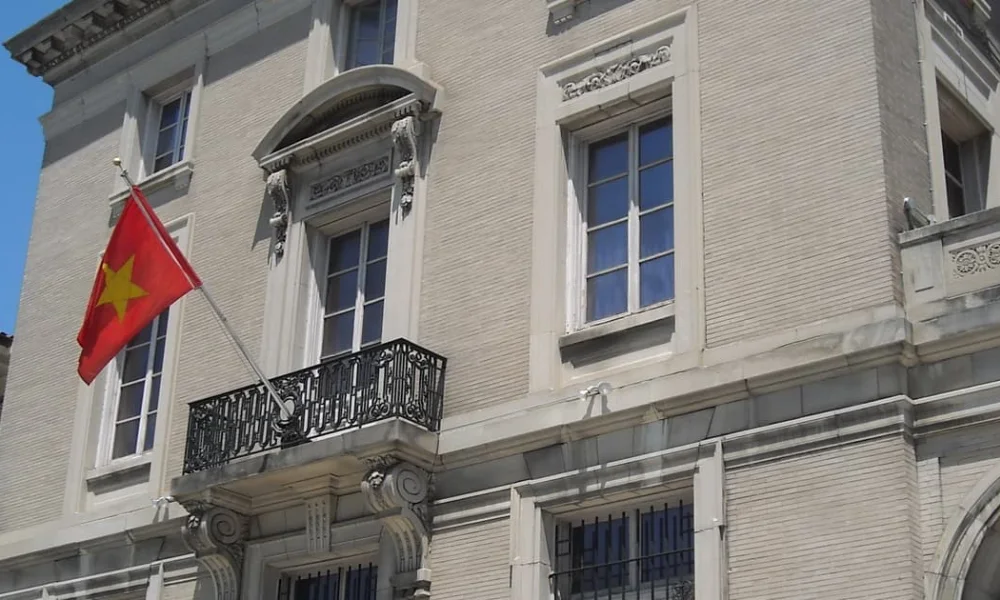
The visa will be stamped directly into the passport before departure, allowing travelers to enter Vietnam without any further procedures at the airport. This option provides a sense of security and is ideal for those planning longer stays or multiple entries. Additionally, applying through an embassy allows travelers to communicate directly with officials, ensuring that all visa requirements and documents are accurately prepared.
Visa on Arrival (VOA)
To apply for a VOA, travelers must first contact a licensed Vietnamese travel agency to request an Approval Letter before their trip. This letter is an official authorization issued by the Vietnam Immigration Department, allowing the traveler to receive a visa upon arrival at the airport. Once approved, the agency will send the letter via email, which the traveler must print out and bring along on their journey.
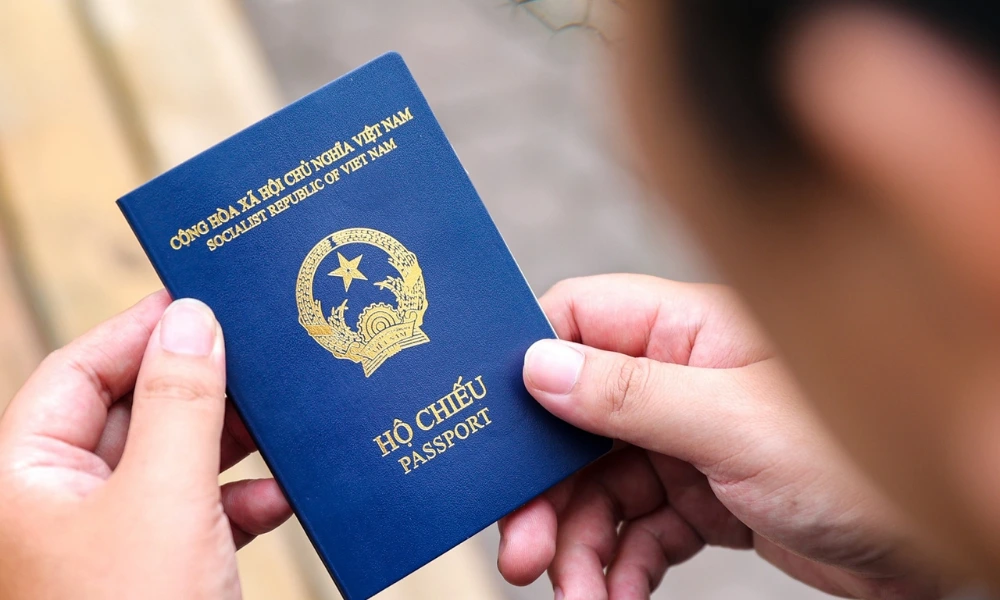
Upon arrival at a Vietnamese international airport, they should proceed to the Visa on Arrival counter, present the approval letter, passport, two passport-sized photos, and pay the stamping fee. The immigration officer will then process and stamp the visa directly into the passport within a short time. This process is convenient and flexible, especially for travelers who do not have access to a Vietnamese embassy in their country.
Vietnam travel visa requirements
To apply for a visa for Vietnam, you must meet certain requirements set by the Vietnamese Government. First, applicants need a passport valid for at least six months beyond the date of entry into Vietnam and with at least one blank page for the visa stamp. A recent passport-sized photo (usually 4×6 cm) is required for most visa applications, whether online or in person.
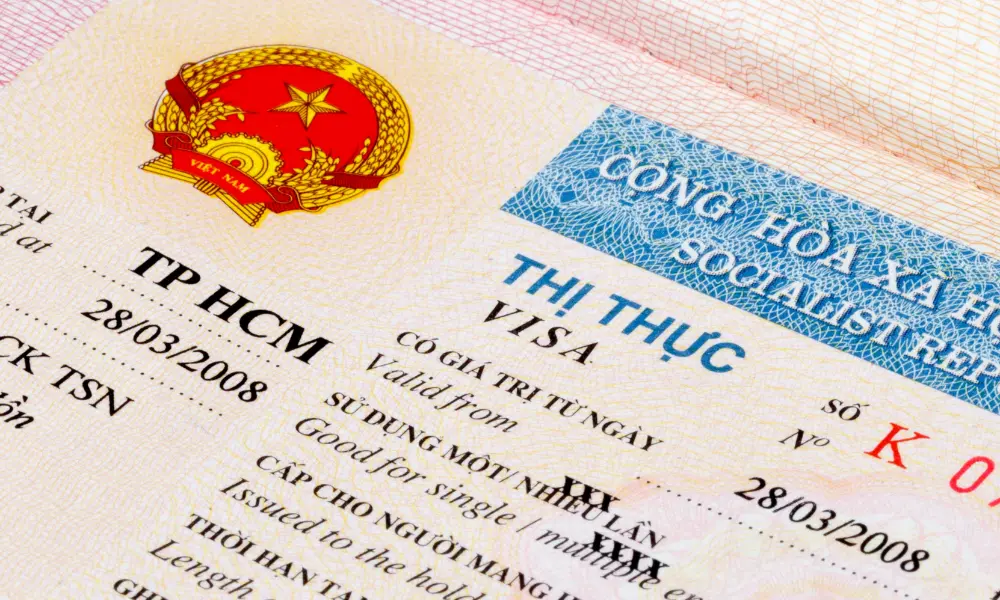
Depending on the visa type, you may also need to provide travel details such as the intended entry point, accommodation address, or proof of onward travel. For some visa categories, such as business or work visas, an invitation or sponsorship letter from a Vietnamese organization is mandatory. Meeting all these requirements ensures a smooth and timely visa approval process before your trip to Vietnam.
Visa Fees and Processing Times
The visa fees for Vietnam vary depending on the type of visa, number of entries, and method of application. For example, an E-visa costs a non-refundable 25 USD for both single and multiple-entry types. The Visa on Arrival (VOA) involves two separate payments — a service fee for obtaining the approval letter and a stamping fee at the airport (typically 25–50 USD depending on entry type).
Meanwhile, applying at a Vietnamese Embassy or Consulate may have slightly higher fees due to handling and administrative costs, which can differ by country. In terms of processing time, E-visa applications generally take 3–5 working days, while VOA approval letters are often issued within 2–4 working days. Embassy visa applications might take 3–7 working days, so travelers should plan ahead and apply early to avoid any last-minute delays.
Tips for visa application
To apply for a travel visa smoothly, the first step is to ensure that your passport is valid for at least 6 months and that the information in it is clear and legible. Before submitting your application, make sure to double-check all details on the visa form to avoid any errors that might cause delays. Your passport photo must have a white background and the correct size, which helps ensure your application is accepted.
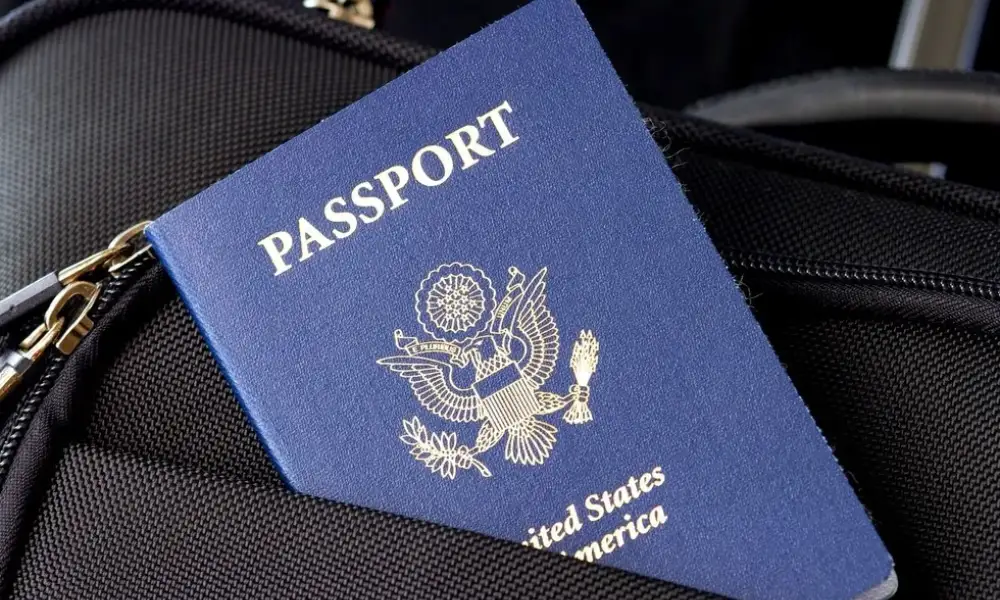
If you are traveling in a group, it’s recommended to apply for visas at the same time for convenience when entering and clearing customs at the airport. Additionally, print out your flight ticket, hotel booking, and invitation letter (if applicable) to make the process faster and smoother. Ensuring these documents are complete and accurate will greatly simplify your visa application process.
Frequently Asked Questions
When planning a trip to Vietnam, you often have many questions about Vietnam visa requirements and regulations. Understanding the answers beforehand can help ensure a smooth and stress-free journey. Below are some of the most frequently asked questions regarding visa of Vietnam and travel to Vietnam.
- Do i need a visa for Vietnam?
It depends on your nationality. For example, U.S. citizens are not eligible for visa exemption and must apply for a visa in advance. You can choose an E-visa, Visa on Arrival, or apply at a Vietnamese Embassy or Consulate.
- How do i get Vietnam visa?
You can get a Vietnam visa by applying online for an E-visa, getting a Visa on Arrival (VOA), or applying at a Vietnamese Embassy or Consulate.
- Does Vietnam require a visa?
Yes, most travelers need a visa to enter Vietnam, except for citizens of certain countries who are eligible for visa exemption for stays of 14 to 45 days.
- What should I do if my visa application is rejected?
If your application is denied, review the reason given, correct any errors, and reapply. Alternatively, you may contact the nearest Vietnamese Embassy for guidance.
- Is it safe to use online visa services?
Yes, as long as you apply through the official government website or reputable travel agencies authorized by the Vietnam Immigration Department.
Applying for a Vietnam Travel Visa is a simple process with several convenient options available for international visitors. Whether you choose an E-visa, Visa on Arrival, or apply through an embassy, each method ensures smooth entry into the country. With proper preparation, obtaining your travel visa will be the first easy step toward an unforgettable journey in Vietnam.