Vietnam is an enchanting destination, offering countless places to go in Vietnam for every type of traveler. From majestic mountains in the North to sun-drenched beaches in the South, the country promises a rich and colorful journey. Along the length of trip to Vietnam, you’ll discover vibrant cities, peaceful villages, and UNESCO-recognized cultural heritages.
Friendly people, diverse cuisine, and breathtaking landscapes make Vietnam irresistibly charming. Whether you love adventure, relaxation, or cultural exploration, there’s always something here for you. Join Avex Vietnam Travel on your travel to Vietnam and uncover the endless beauty of this S-shaped land!
Before choosing Vietnam as your travel destination, it’s important to learn some basic information about the country. This country is famous for its cultural diversity, stunning landscapes, and warm hospitality. Understanding its location, regions, and the best time to visit will help you make the most of your travel to Vietnam.
Geographic location of Vietnam
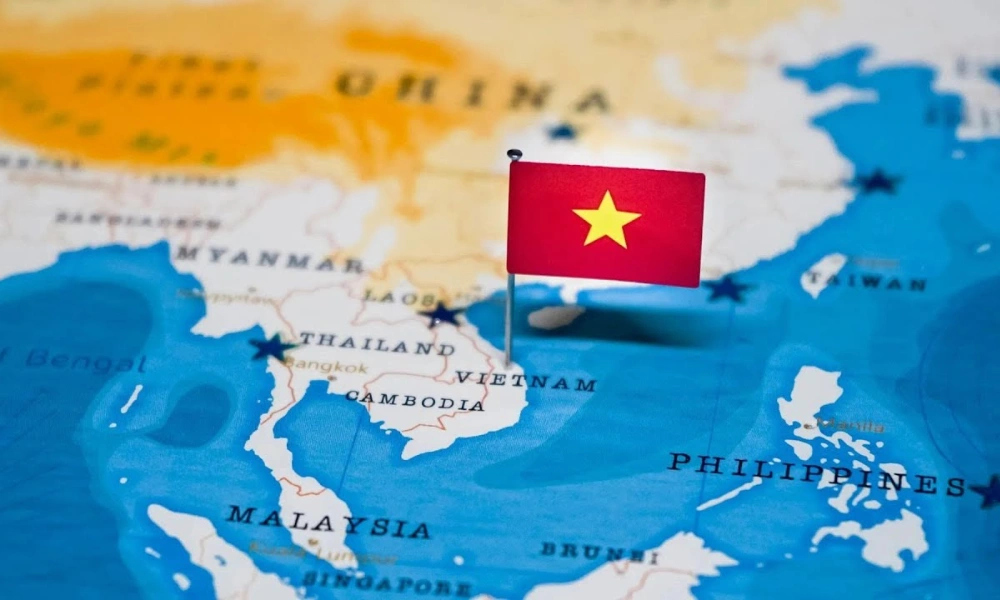
Vietnam is located on the Indochina Peninsula in Southeast Asia. It shares borders with China to the north, Laos and Cambodia to the west, and the South China Sea to the east. Its long and narrow shape from north to south gives the country a wide range of landscapes and climates.
Regions in Vietnam
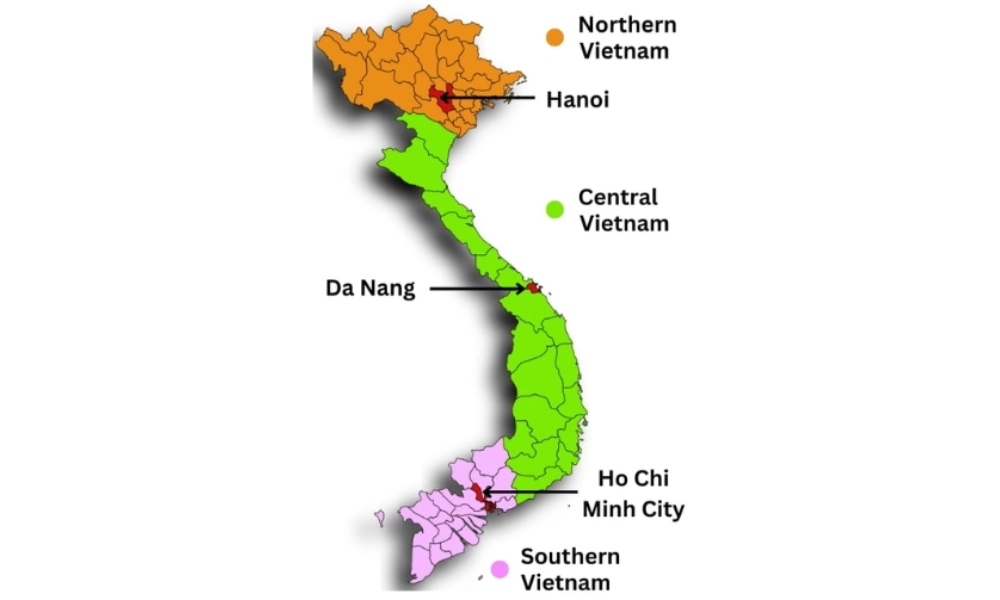
Our country is divided into three main regions: the North, the Central, and the South. Each region has its own unique culture, climate, and attractions — from misty mountains and ancient cities in the North, to golden beaches in the Central region, and vibrant urban life in the South. Exploring all three offers a complete picture of Vietnam’s beauty and diversity.
Best time to visit Vietnam
Vietnam’s climate varies significantly from region to region, so the best time to visit depends on your plan of where to go in Vietnam. In general, the country has two main seasons: the dry season and the rainy season. The North experiences four distinct seasons, with cool winters and warm summers.
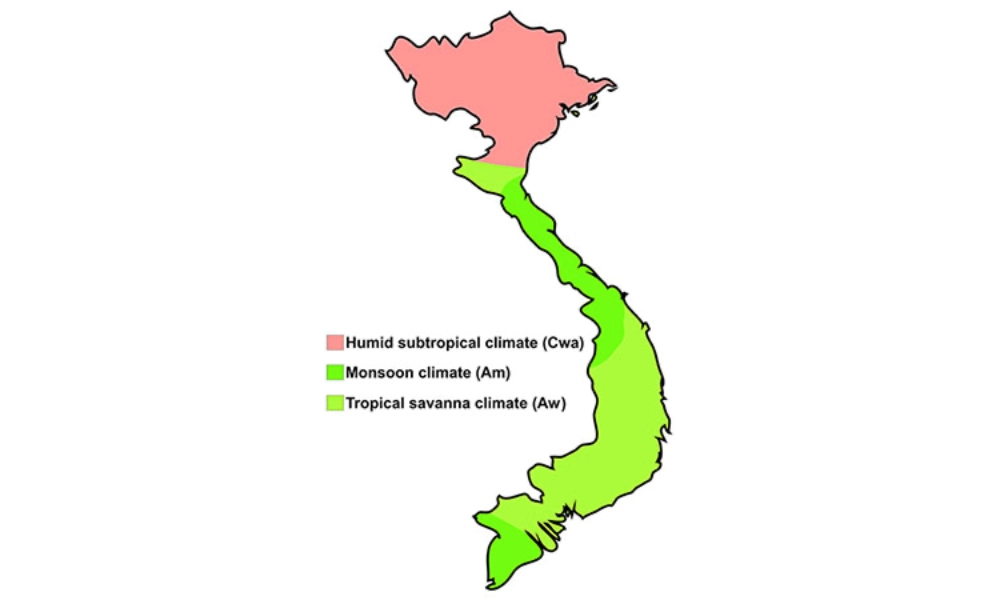
Central Vietnam has hot, dry weather from January to August and a rainy season from September to December. The South enjoys a tropical climate, with dry weather from November to April and rains from May to October. For most travelers, the best time to travel to Vietnam is during the dry months from November to April, when the weather is comfortable and ideal for sightseeing.
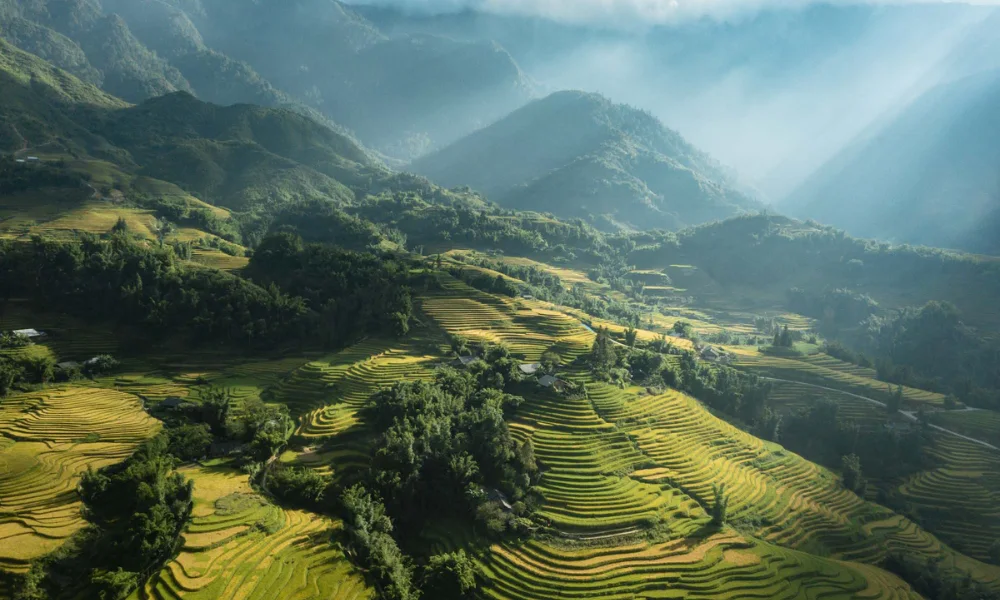
However, each season has its own charm, from the blooming spring in the North to the green rice fields of the South during summer. No matter when you visit, Vietnam always has something beautiful to offer. Whether you seek adventure, relaxation, or cultural discovery, every moment in Vietnam promises a memorable and inspiring experience.
Places to go in North Vietnam
Northern Vietnam is where most travelers begin their journey, discovering a land full of culture, history, and breathtaking landscapes. From bustling cities and ancient temples to misty mountains and serene valleys, this region captures the true essence of Vietnam. Whether you seek urban experiences or natural beauty, North Vietnam offers unforgettable places to go in Vietnam that showcase the country’s charm and diversity.
Hanoi
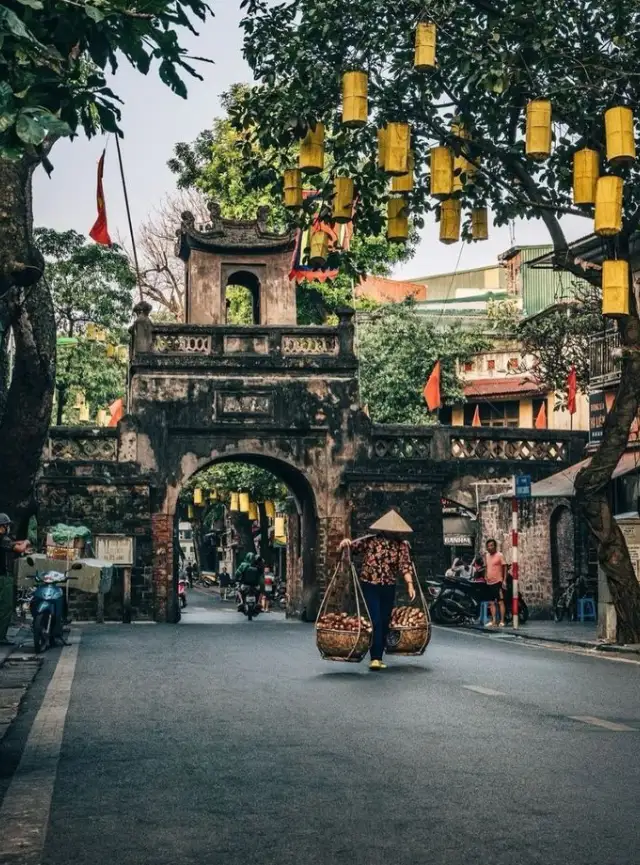
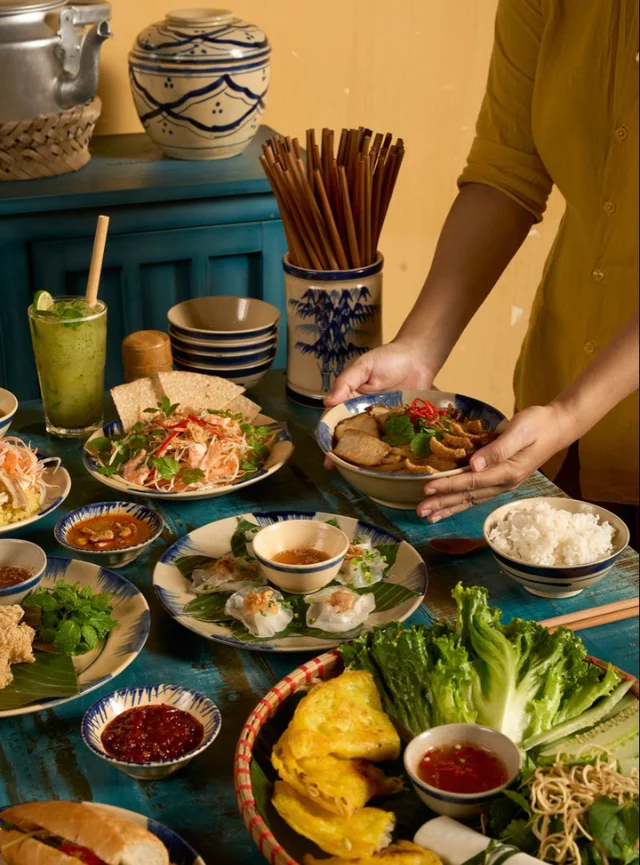
The capital city of Vietnam, Hanoi, is often the first stop for anyone starting their adventure in the country. It’s one of Vietnam cities with a vibrant mix of ancient traditions and modern life, where old temples stand beside French colonial buildings. The Old Quarter is famous for its narrow streets, local markets, and street food that captures the soul of Vietnamese cuisine.
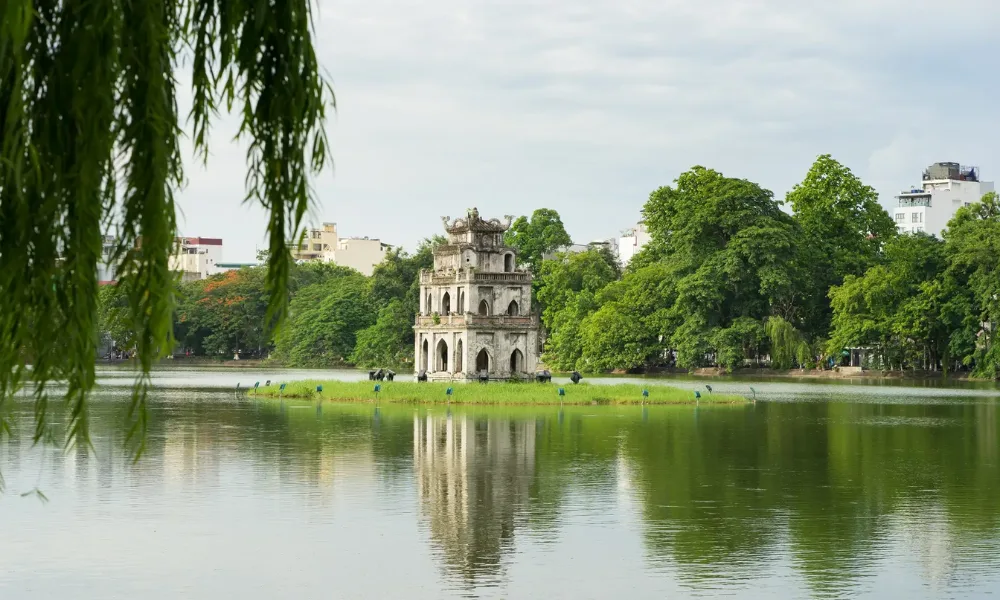
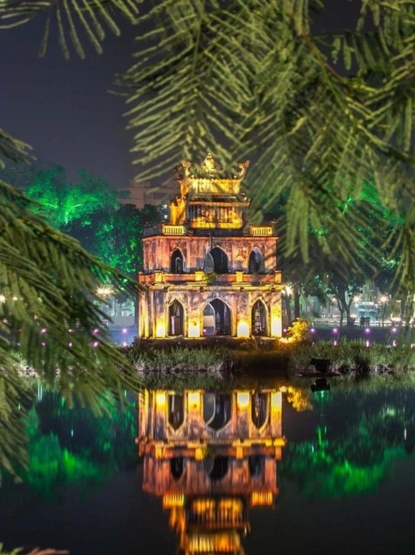
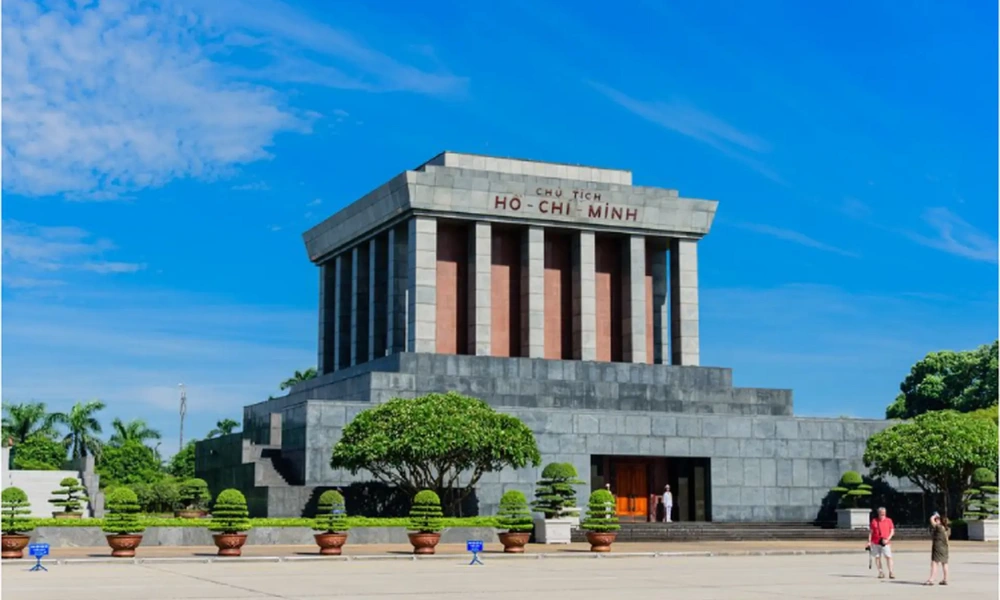
You can enjoy peaceful moments at Hoan Kiem Lake or explore the Temple of Literature, a symbol of Vietnam’s scholarly past. The Ho Chi Minh Mausoleum and its surrounding complex reflect the country’s history and national pride. Hanoi also offers a rich coffee culture, from traditional egg coffee to trendy cafés.
Every corner of the city tells a story of resilience, elegance, and warmth. As night falls, Hanoi transforms with lively night markets and local performances. For many travelers, Hanoi is not just a starting point, but a place that brings you many things to see in Vietnam.
Ha Long Bay
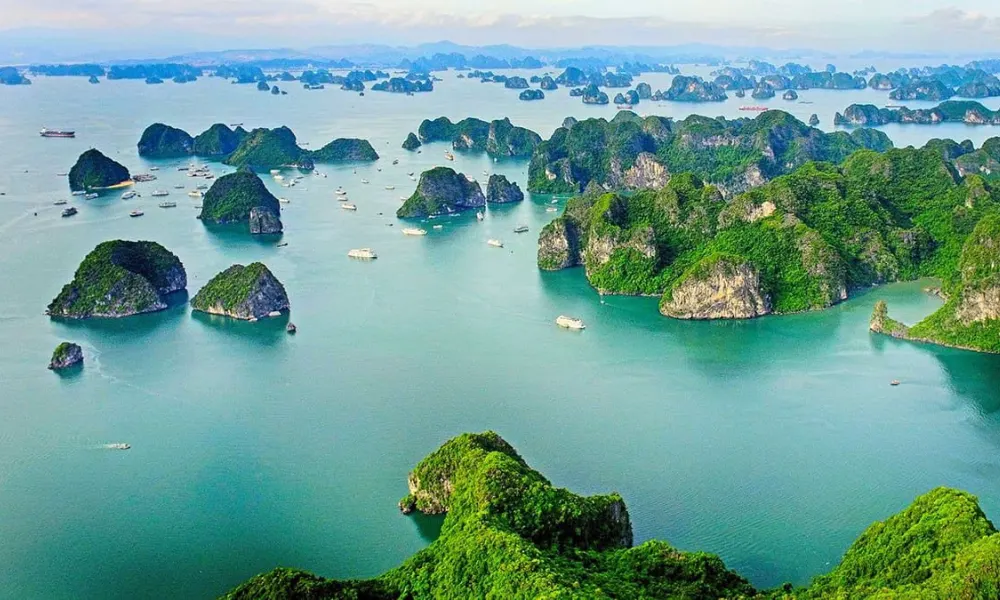
Ha Long Bay is one of the most iconic destinations and the best place to go in Vietnam for first time. Recognized as a UNESCO World Heritage Site, the bay is home to thousands of limestone islands rising majestically from emerald waters. Cruising through Ha Long Bay feels like sailing into a dream of nature’s masterpiece.
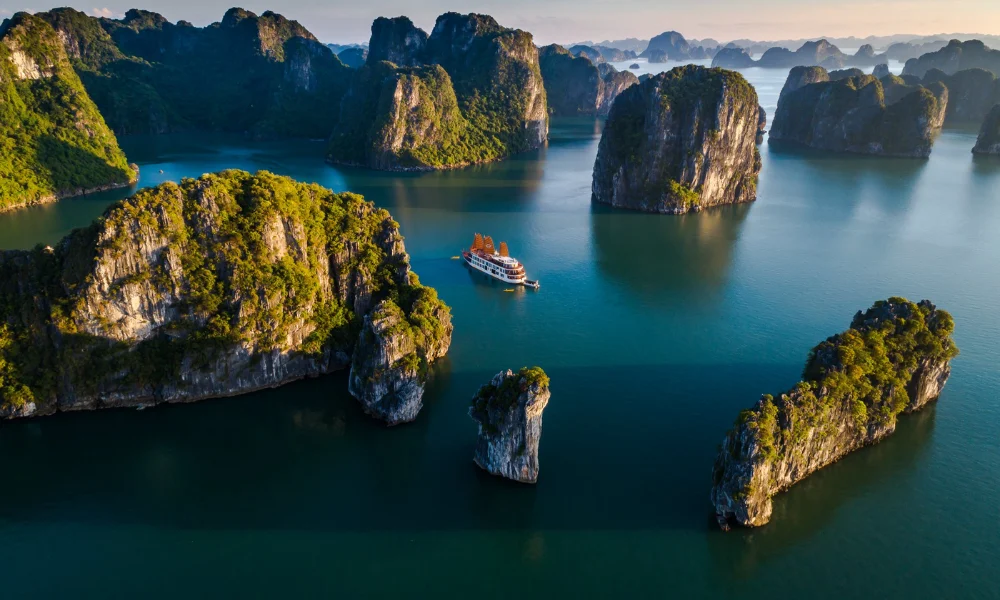
You can kayak through hidden caves, swim in secluded lagoons, or relax on the deck of a luxury cruise. The bay’s mysterious beauty has inspired countless legends and poems throughout history. Watching the sunrise or sunset over the karst formations is an unforgettable experience.
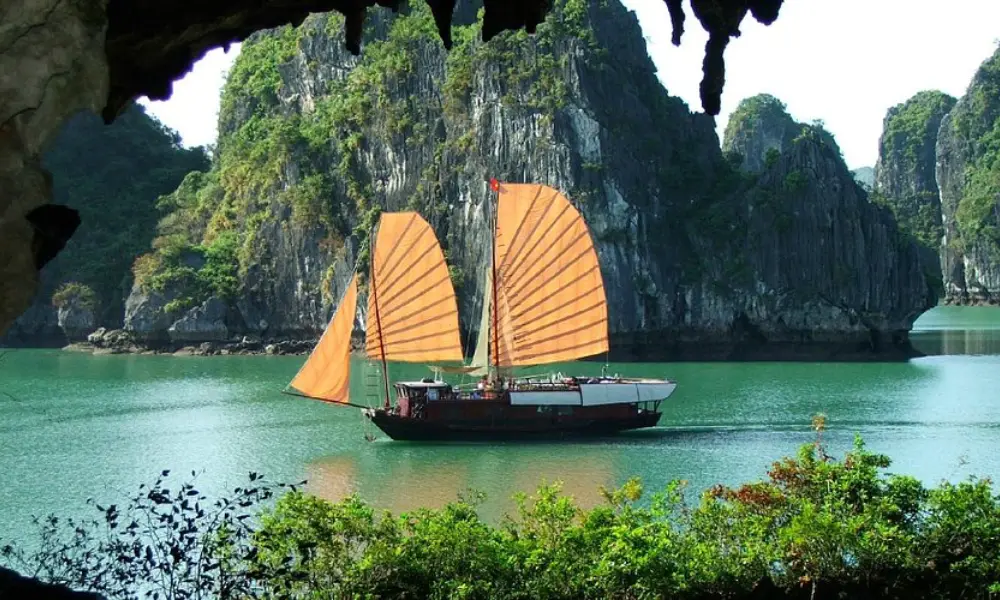
Besides its natural wonders, Ha Long Bay also offers delicious fresh seafood and floating fishing villages to explore. Every journey here reveals a new perspective of Vietnam’s coastal charm. For many travelers, Ha Long Bay is not just a destination, it’s the highlight of their entire travel to Vietnam experience.
Ninh Binh
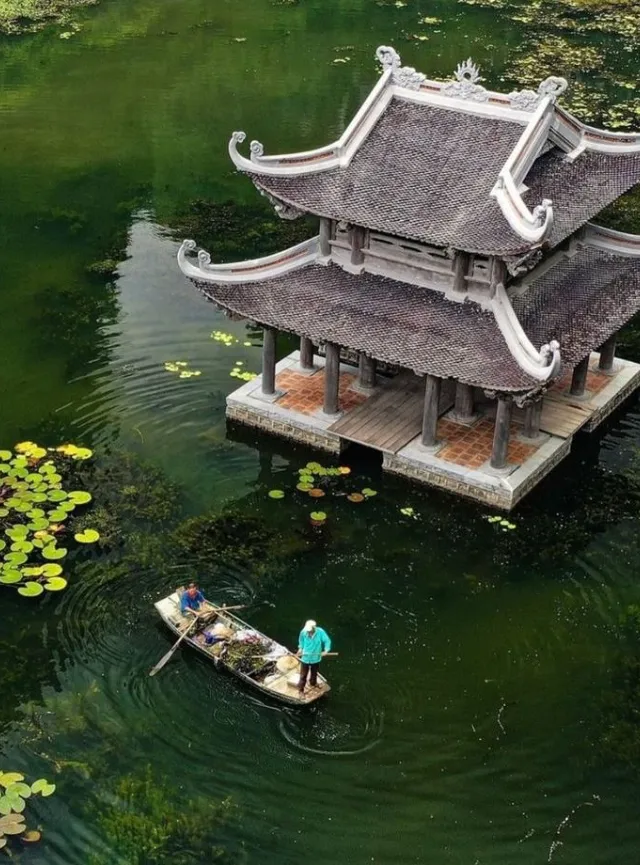
Often called “Ha Long Bay on land,” Ninh Binh is a breathtaking combination of limestone mountains, rivers, and rice fields. The region is home to scenic spots like Tam Coc, Trang An, and the ancient capital of Hoa Lu. Cruising along the Ngo Dong River, visitors pass through caves and green valleys that feel untouched by time.
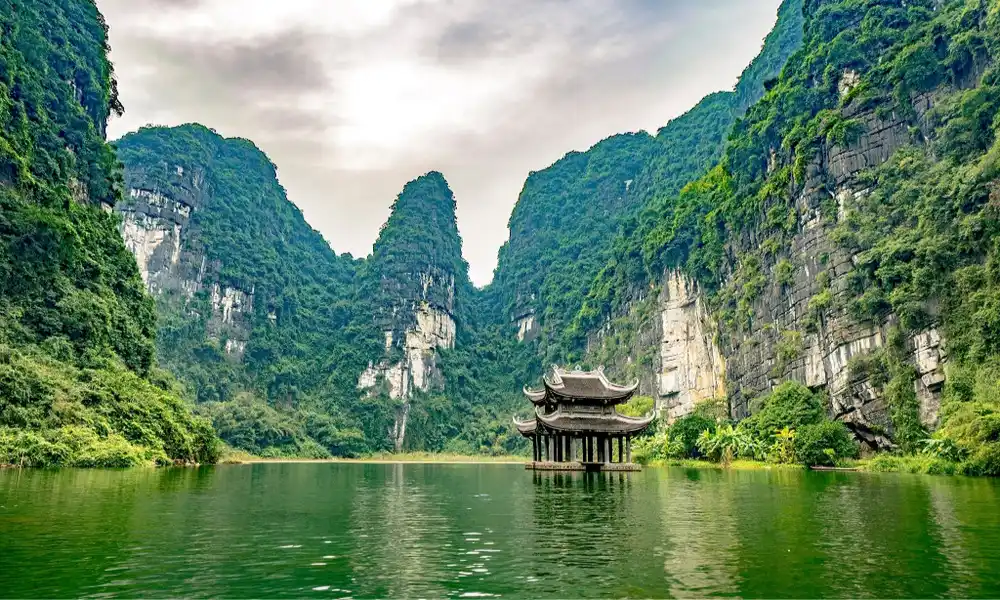
The area is peaceful, perfect for those who love nature and photography. With its tranquil charm and cultural heritage, Ninh Binh is an ideal escape from the busy cities in Vietnam. Its unique harmony of nature and history makes every visit to Ninh Binh a truly unforgettable experience.
Sapa
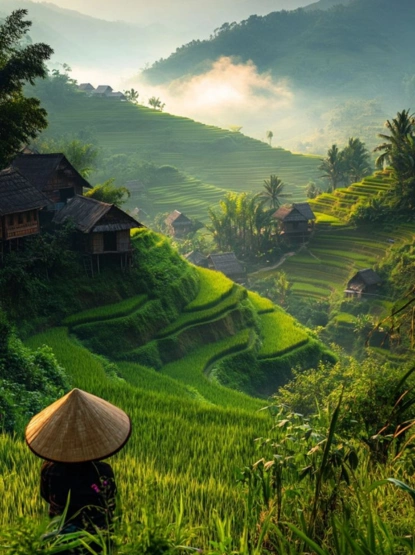
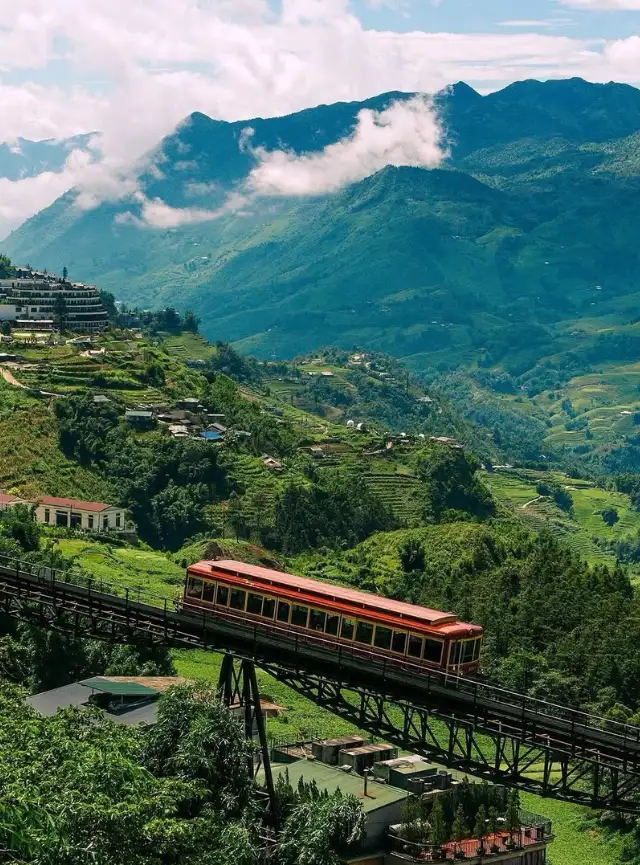
Nestled in the northwest mountains of Vietnam, this highland region is a dream destination for nature lovers and adventure seekers. Famous for its terraced rice fields, it offers breathtaking views that transform beautifully with each season. Trekking is the best way to explore its charm, leading travelers through ethnic villages such as Ta Phin, Lao Chai, and Cat Cat, where age-old traditions are still alive.
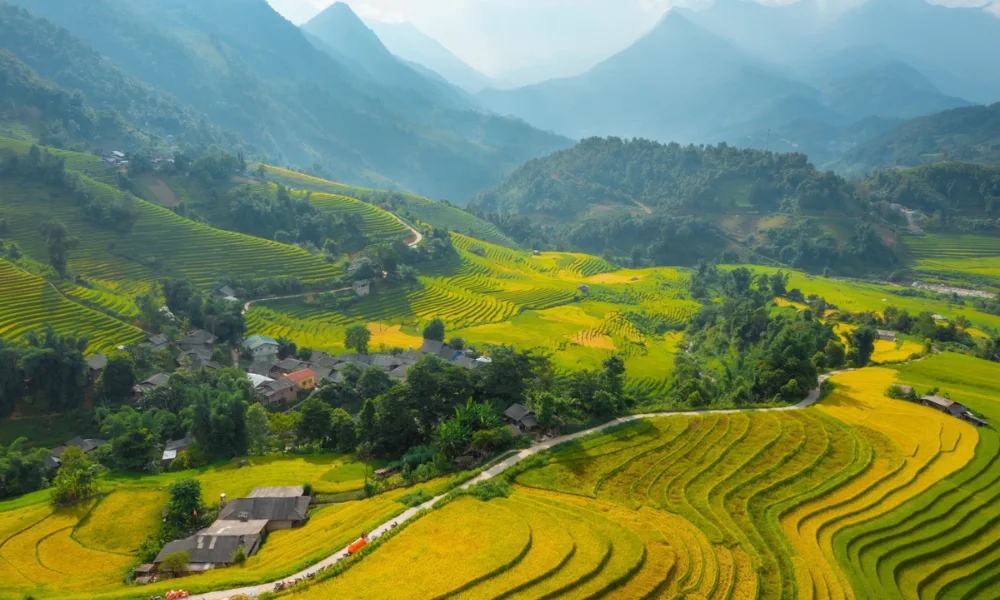
Surrounded by misty peaks, including Mount Fansipan, the “Roof of Indochina”, the area offers a cable car journey with stunning panoramic views. Local markets burst with colors, showcasing handmade crafts and flavorful mountain foods. The cool, fresh air makes it a perfect escape from the tropical heat.
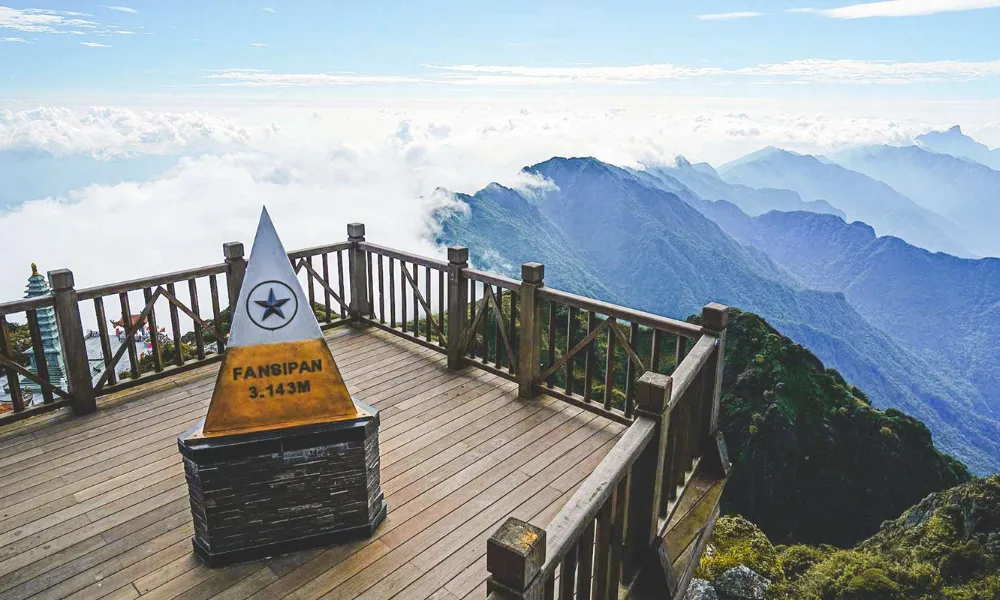
As morning clouds drift softly over the valleys, the scenery turns dreamlike. For many travelers, this mountain land captures the wild, untouched spirit of Northern Vietnam. Every step through its winding paths reveals a deeper connection with nature and the timeless rhythm of local mountain life.
Mai Chau
Tucked away in a tranquil valley embraced by green mountains and endless rice paddies, Mai Chau offers a glimpse into the authentic lifestyle of Vietnam’s ethnic Thai people. You can stay in traditional stilt houses, cycle along peaceful country roads, and enjoy cultural performances and local dishes prepared with care. The slow pace of life and the warmth of the locals create a soothing contrast to the bustle of the cities.
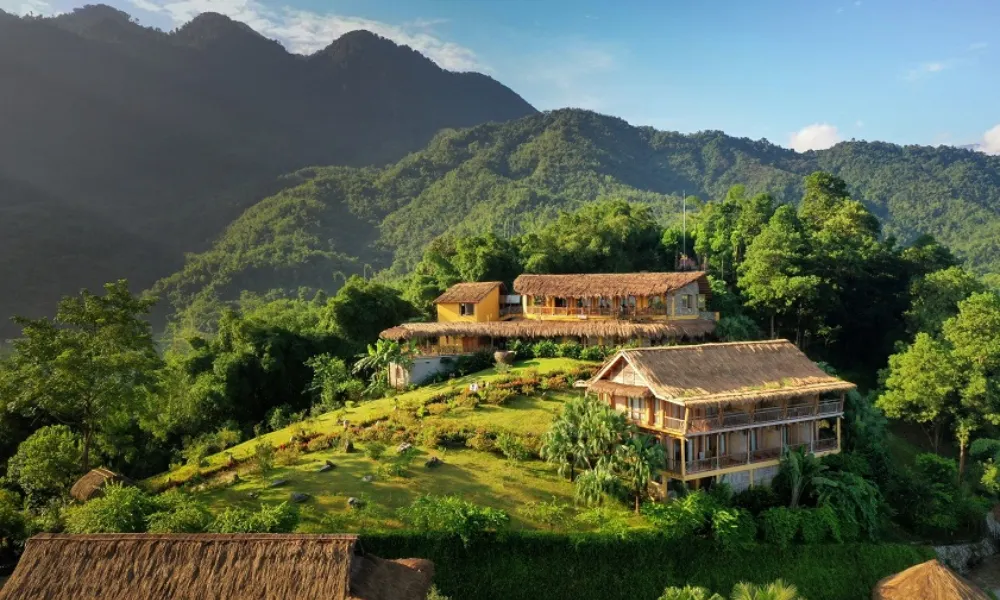
Surrounded by nature’s beauty, it’s an ideal place to unwind and reconnect with simplicity. Whether you visit for a short stay or linger longer, the charm of Mai Chau will quietly capture your heart. Its peaceful rhythms and stunning scenery make every moment here feel like a gentle pause from the modern world.
Ha Giang
Hidden in the far north of Vietnam lies one of the country’s most breathtaking and remote regions, Ha Giang is known for its dramatic mountain passes and remarkable ethnic diversity. The Dong Van Karst Plateau Geopark reveals a world of winding roads, deep valleys, and striking limestone formations. Many travelers choose to explore this area on motorbike loops, immersing themselves in its wild, rugged beauty.
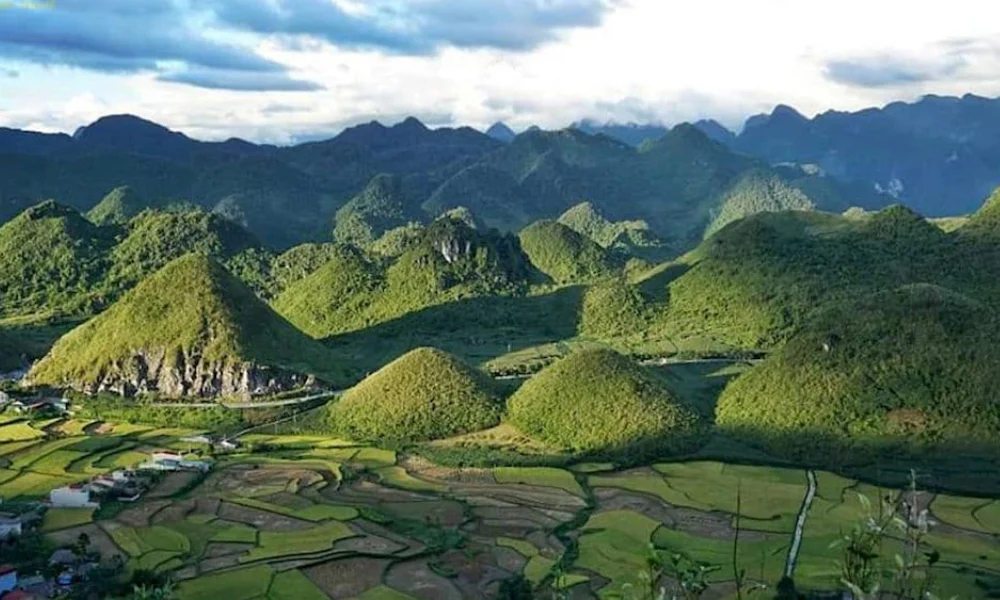
Along the journey, encounters with ethnic minorities dressed in vibrant traditional attire bring rich cultural color to the experience. Untouched by mass tourism, the region offers an authentic glimpse into rural mountain life. For those seeking adventure and genuine connection with Vietnam’s untamed landscapes, Ha Giang is a destination like no other.
Mu Cang Chai
Mu Cang Chai is a small mountainous district known for its spectacular rice terraces. In harvest season, the fields turn golden, creating one of the most photographed landscapes in Vietnam. The winding roads and hilltop villages offer panoramic views and unforgettable trekking routes.
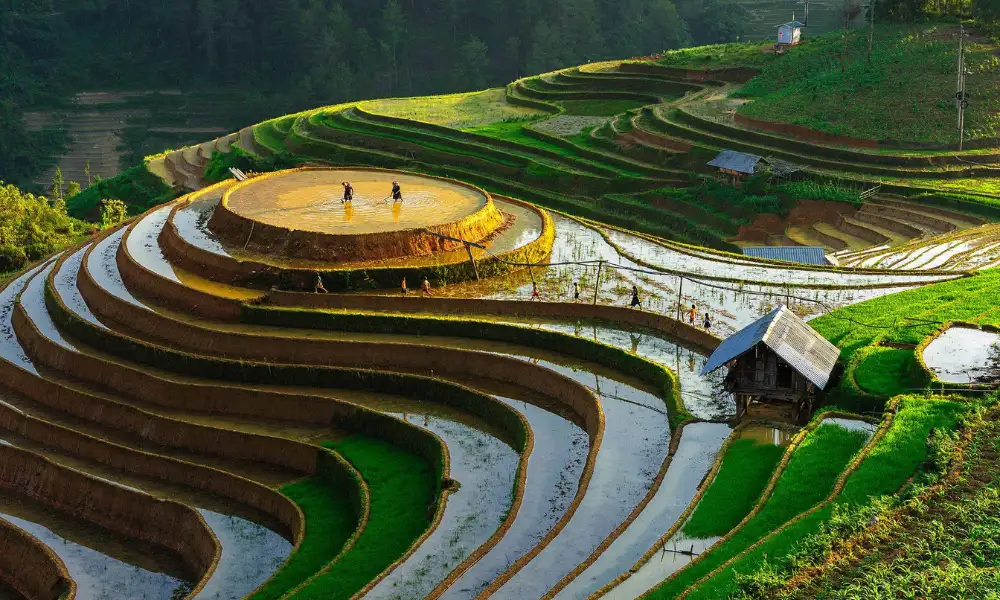
You can learn about the daily life of the Hmong people who cultivate these breathtaking terraces. The air is fresh, the scenery serene, and the atmosphere peaceful. Mu Cang Chai is a hidden gem that perfectly embodies the rustic beauty of Northern Vietnam.
Places to go in Central Vietnam
Central Vietnam is home to some of the country’s most famous tourist major cities in Vietnam, where history, nature, and modern life blend beautifully. From the imperial heritage of Hue to the coastal charm of Da Nang and Hoi An, this region offers both cultural depth and seaside relaxation. With its golden beaches, ancient towns, and dramatic landscapes, Central Vietnam is a must-visit for anyone traveling through the country.
Hue
Once the imperial capital of Vietnam, Hue is a city where the past still whispers through every wall and pagoda. Its ancient citadel, a UNESCO World Heritage Site, showcases the grandeur of the Nguyen Dynasty. You can explore the Imperial City, stroll through tranquil gardens, and visit royal tombs like those of Tu Duc and Khai Dinh.
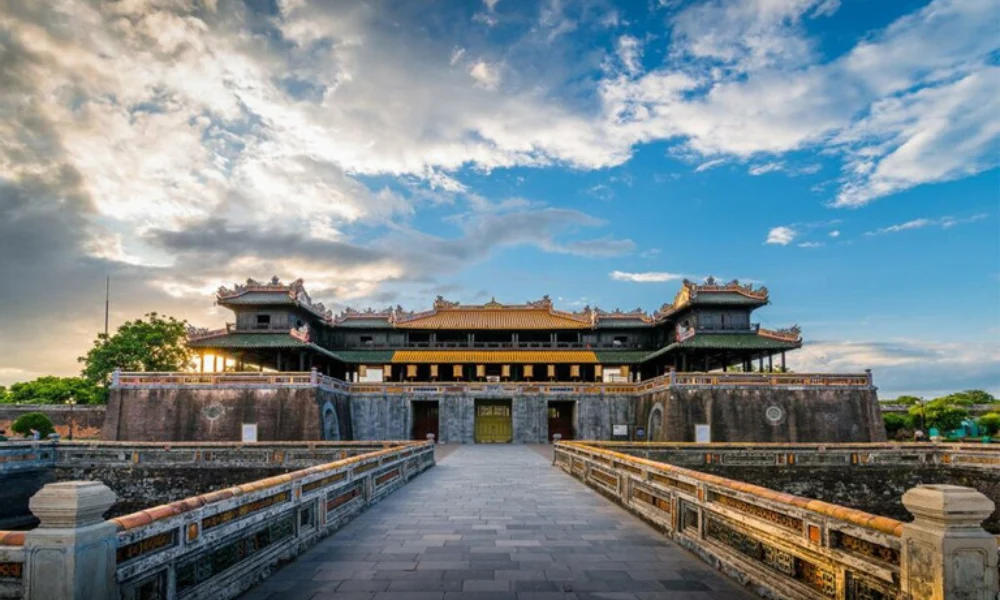
The Perfume River flows gently through the city, adding to its poetic charm. A boat ride along the river offers a serene view of pagodas and traditional villages. Hue is also known for its sophisticated cuisine, once prepared exclusively for the royal family.
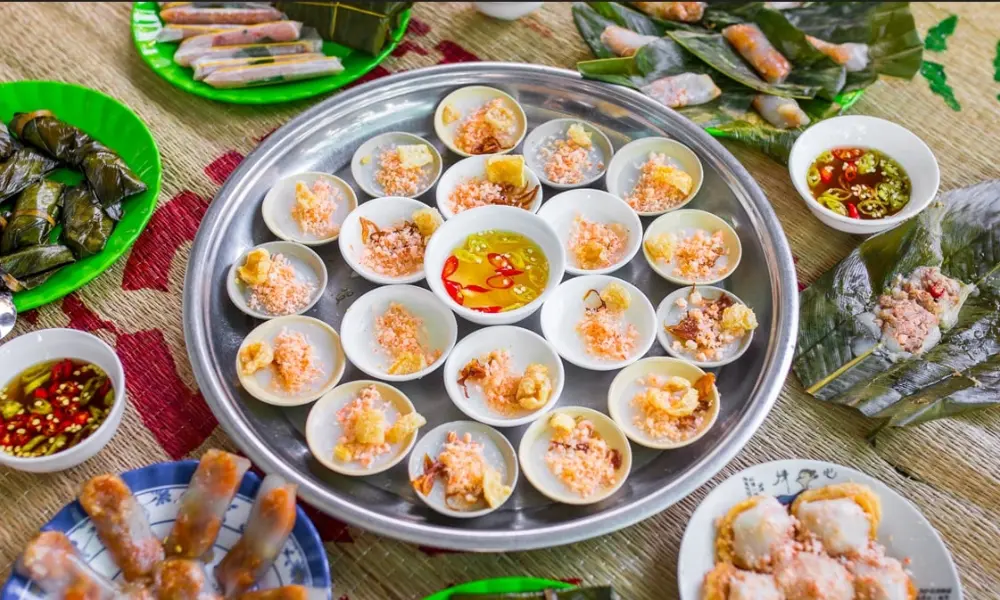
Street vendors and local restaurants serve flavorful dishes like bun bo Hue, banh beo, and che Hue. The city’s calm and reflective atmosphere contrasts beautifully with Vietnam’s bustling southern cities. For travelers who love culture and history, Hue offers a journey back in time.
Da Nang
Lying between Hue and Hoi An, Da Nang is one of Vietnam’s most modern and livable cities. It’s the best place to go in Vietnam for beaches like My Khe and Non Nuoc, perfect for swimming and sunbathing. The city is also known for its unique bridges, including the Dragon Bridge, which breathes fire on weekends.
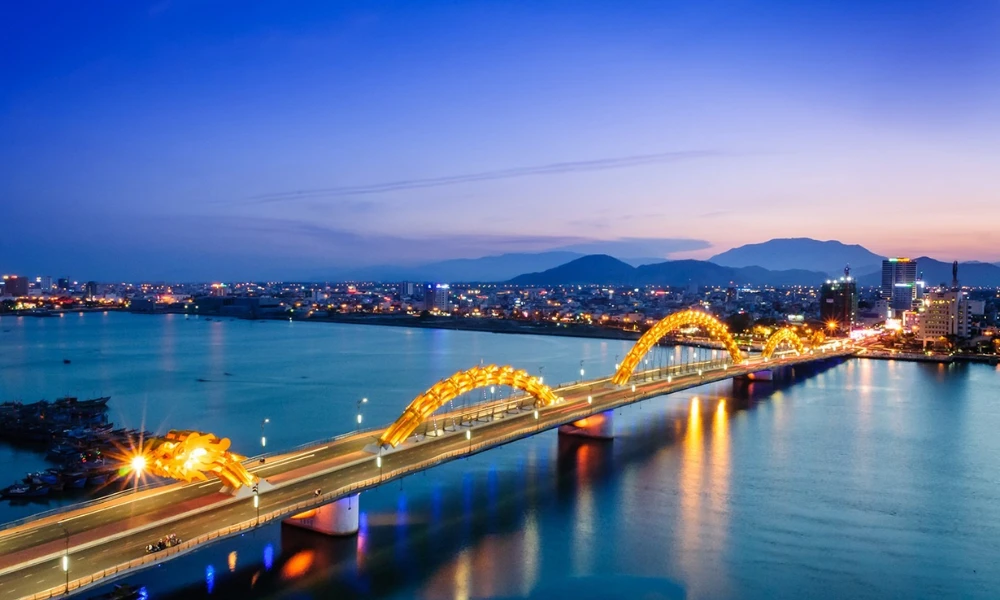
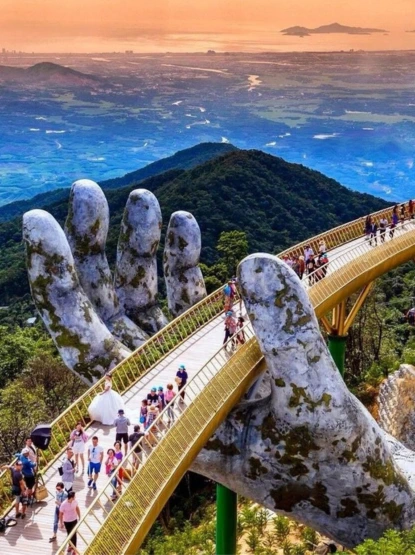
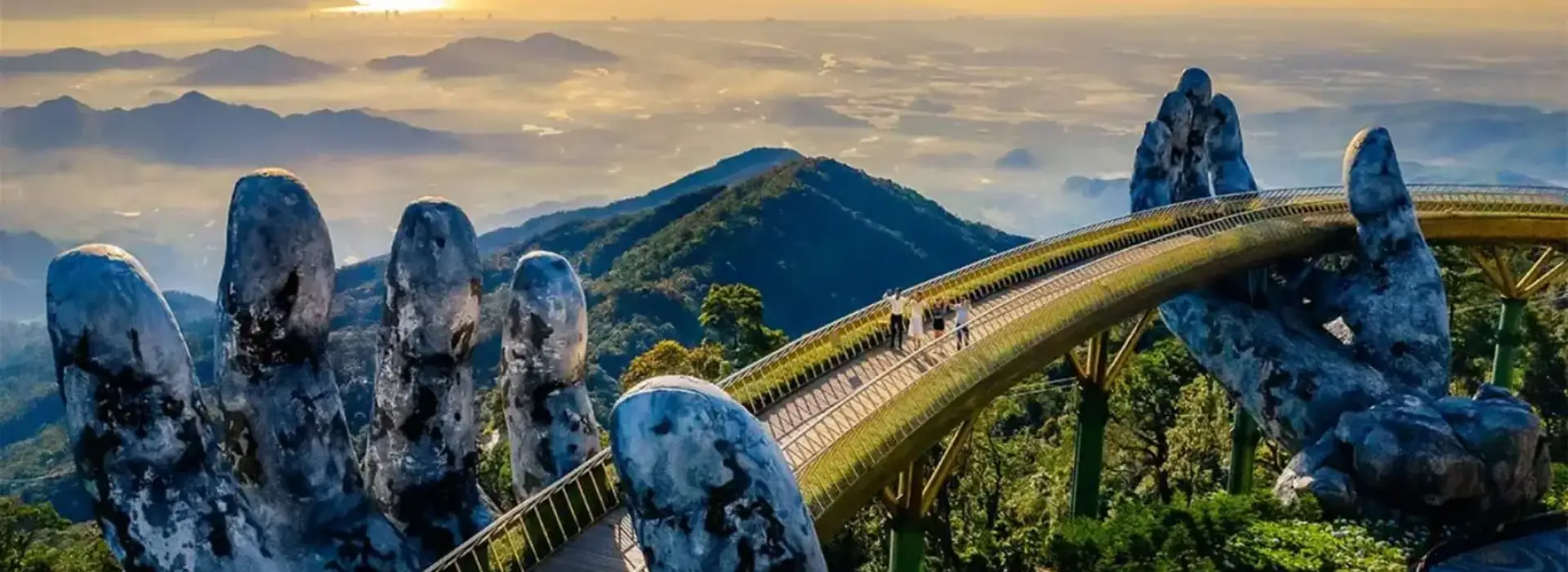
Nature lovers can explore the Marble Mountains or enjoy panoramic views from the Ba Na Hills. With clean streets, friendly locals, and a laid-back coastal vibe, Da Nang perfectly balances relaxation and adventure. It’s also an excellent base for exploring other Central Vietnam destinations.
Hoi An
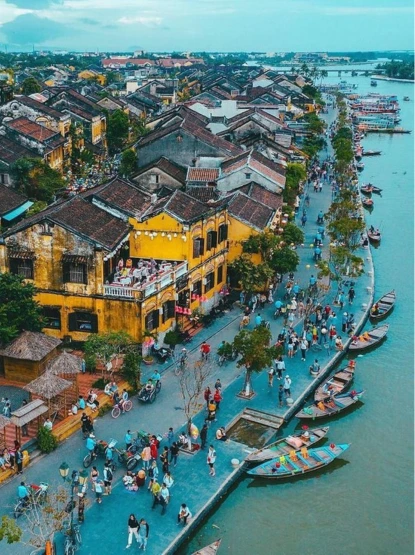
A short drive from Da Nang lies Hoi An, a charming ancient town that feels frozen in time. Recognized as a UNESCO World Heritage Site, it’s known for its yellow-walled houses, colorful lanterns, and riverside atmosphere. Strolling through the narrow streets, visitors can admire a unique mix of Vietnamese, Chinese, Japanese, and French architecture.
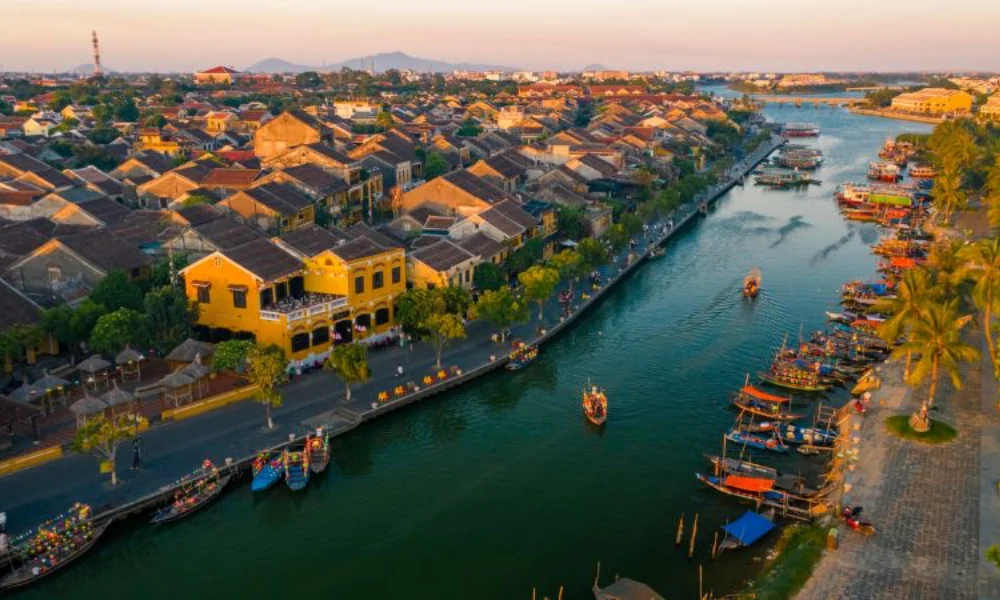
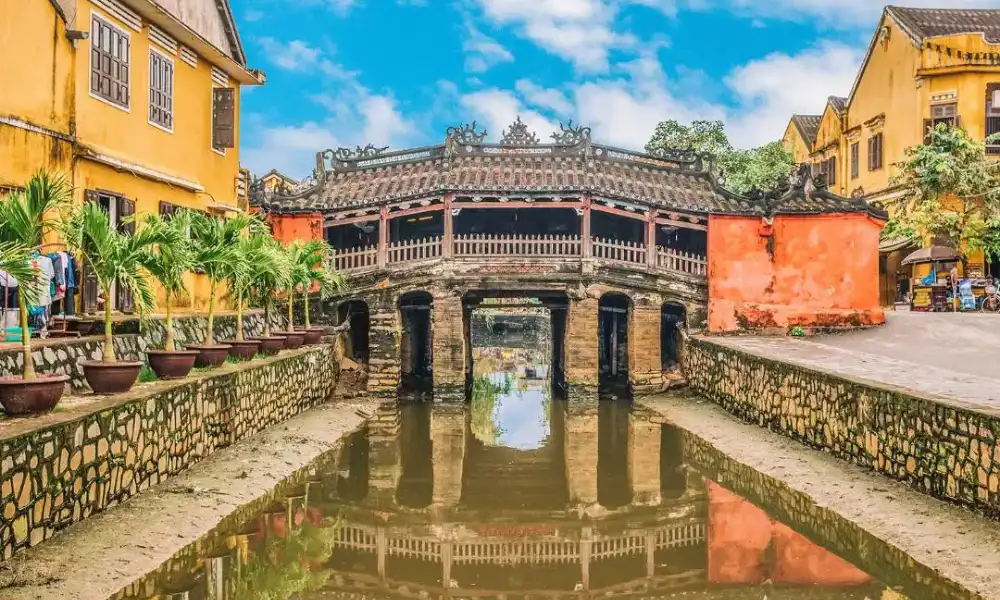
The iconic Japanese Covered Bridge is one of the town’s most photographed landmarks. At night, Hoi An glows with thousands of lanterns, creating a magical scene reflected on the Thu Bon River. Local tailors are famous for crafting custom-made clothes in just a few hours.
Food lovers can enjoy specialties like cao lau, mi quang, and banh mi Phuong. Whether by day or night, Hoi An enchants every visitor with its timeless beauty and peaceful rhythm. For many, it’s one of the best places to go in Vietnam.
Nha Trang
Known as the “beach capital” of Vietnam, Nha Trang is famous for its long coastline, turquoise waters, and lively atmosphere. It offers a perfect mix of relaxation, adventure, and nightlife. Travelers can go island hopping, dive among coral reefs, or simply enjoy the sun on Nha Trang Beach.
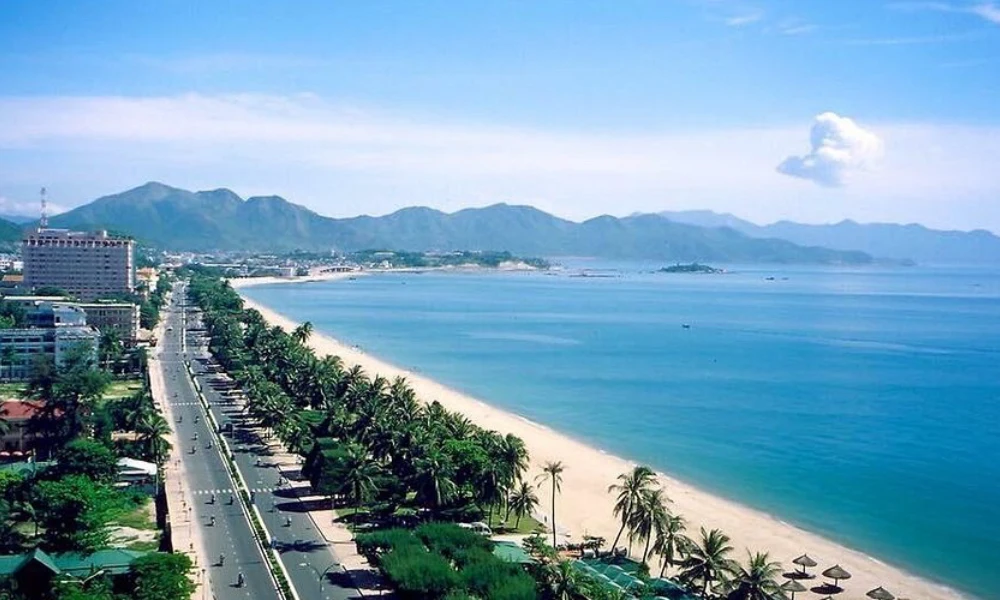
The city also features cultural attractions like the Po Nagar Cham Towers and the Long Son Pagoda. Seafood lovers will find endless choices of fresh and flavorful dishes along the coast. With its tropical beauty and energetic vibe, Nha Trang is an ideal stop for those seeking both fun and serenity.
Phu Yen
Located between Nha Trang and Quy Nhon, Phu Yen remains a hidden gem of Central Vietnam. It’s known for its unspoiled beaches, crystal-clear water, and peaceful countryside. The Ganh Da Dia cliffs, formed by volcanic activity, are among the region’s most unique natural wonders.
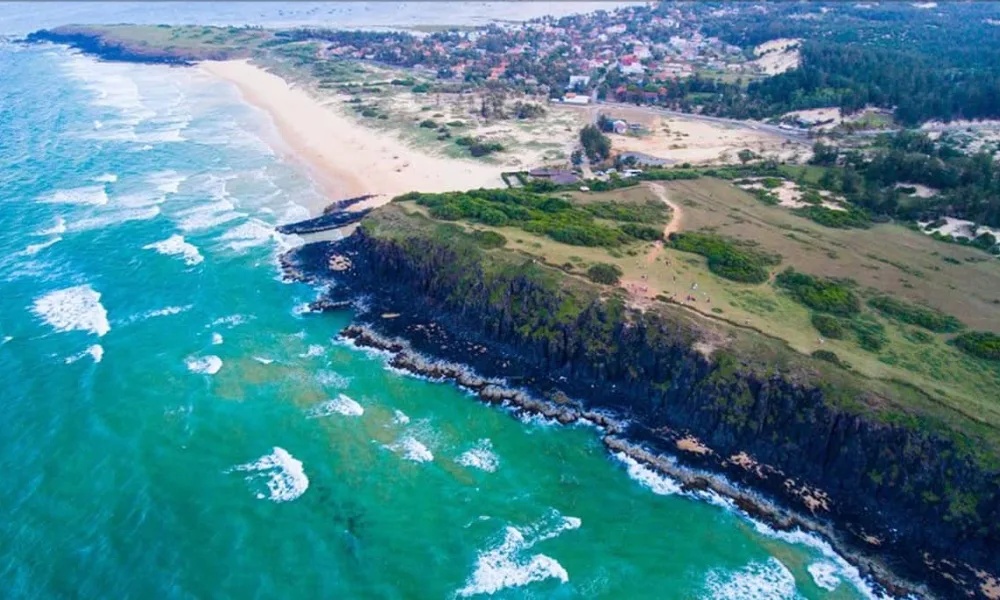
Travelers can also explore Mang Lang Church, one of Vietnam’s oldest churches, and Bai Xep Beach, made famous by Vietnamese films. Unlike more crowded destinations, Phu Yen offers a sense of calm and authenticity. For travelers seeking beauty off the beaten path, this coastal province is truly unforgettable.
Places to go in South Vietnam
Southern Vietnam is a region full of vibrant energy, tropical beauty, and cultural diversity. From the dynamic streets of Ho Chi Minh City to the tranquil waters of the Mekong Delta and the pristine beaches of Phu Quoc, every destination tells its own story. Whether you’re seeking city adventures, island escapes, or rural charm, South Vietnam offers unforgettable experiences for every traveler.
Ho Chi Minh City
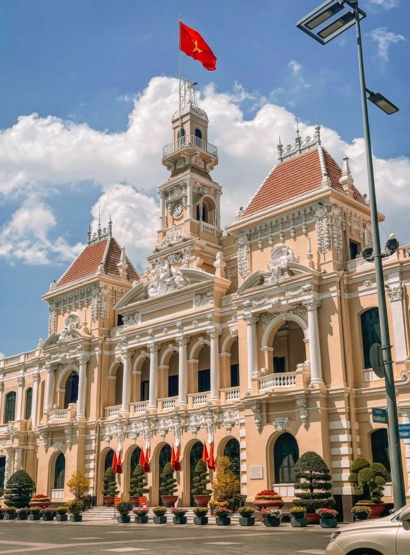
Formerly known as Saigon, Ho Chi Minh City is the bustling economic and cultural heart of Vietnam. The city never sleeps, its streets are alive with motorbikes, markets, and modern skyscrapers standing beside colonial-era buildings. There are some places to go in Vietnam Ho Chi Minh such as Notre-Dame Cathedral, the Central Post Office, and the Independence Palace.
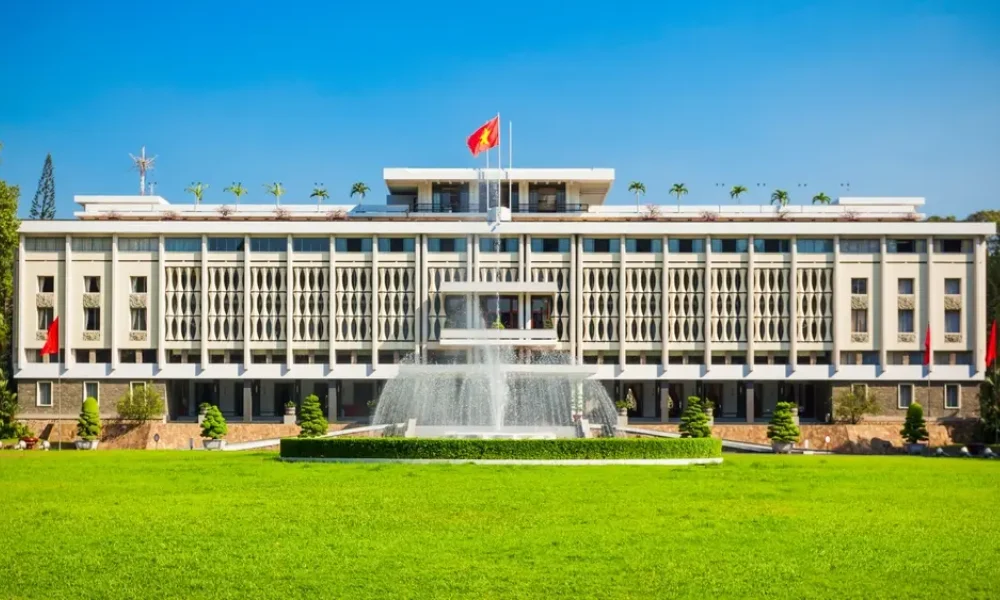
The War Remnants Museum offers deep insights into Vietnam’s history, while Ben Thanh Market bursts with local flavors and souvenirs. Beyond the city center, neighborhoods like District 1 and District 3 showcase a mix of old-world charm and trendy cafes. The street food scene here is legendary, with dishes like banh mi, pho, and com tam found on every corner.
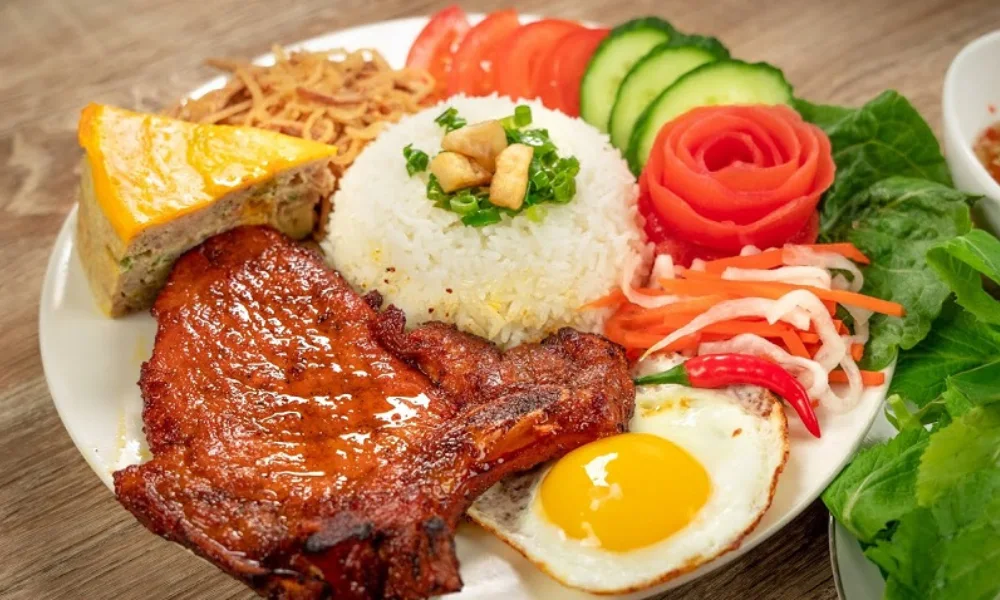
Rooftop bars provide panoramic views of the sparkling skyline, making nights in Saigon unforgettable. Despite its fast pace, the city still preserves a warm, welcoming spirit. For many travelers, Ho Chi Minh City is the perfect introduction to Vietnam’s modern soul.
Mekong Delta
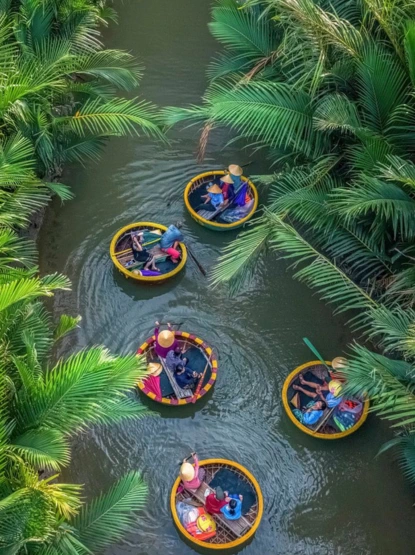
Often called the “rice bowl” of Vietnam, the Mekong Delta is a vast maze of rivers, canals, and floating villages. Life here revolves around the water, locals trade goods at floating markets like Cai Rang and Phong Dien. You can take boat trips through lush waterways lined with coconut palms and rice fields.
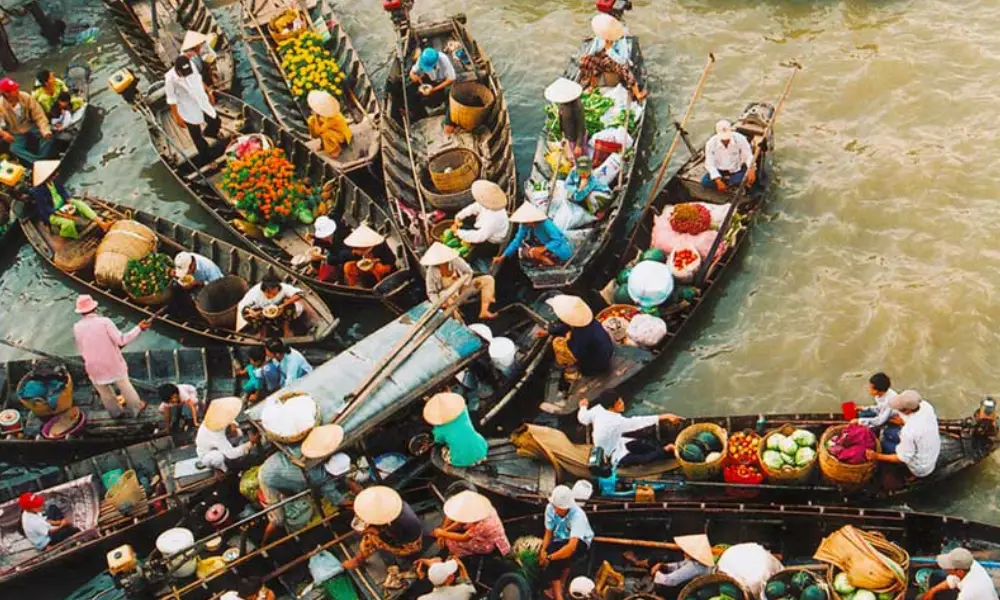
The region offers a glimpse into traditional rural life, where hospitality feels as natural as the landscape. You can visit fruit orchards, local workshops, and simple riverside homes. With its peaceful rhythm and timeless charm, the Mekong Delta captures the heart of anyone seeking an authentic connection with Vietnam’s countryside.
Phu Quoc
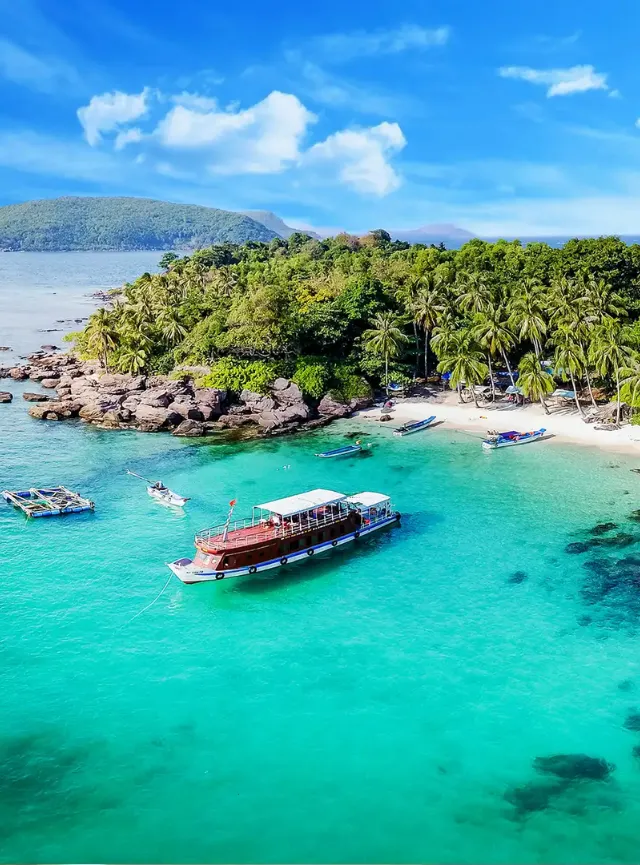
If you wonder on vacation in Vietnam where to go, Phu Quoc is Vietnam’s largest island and one of its most beautiful beach destinations. The island boasts white sand beaches, crystal-clear water, and a relaxed tropical atmosphere. Long Beach and Sao Beach are perfect for swimming, sunbathing, or watching breathtaking sunsets.
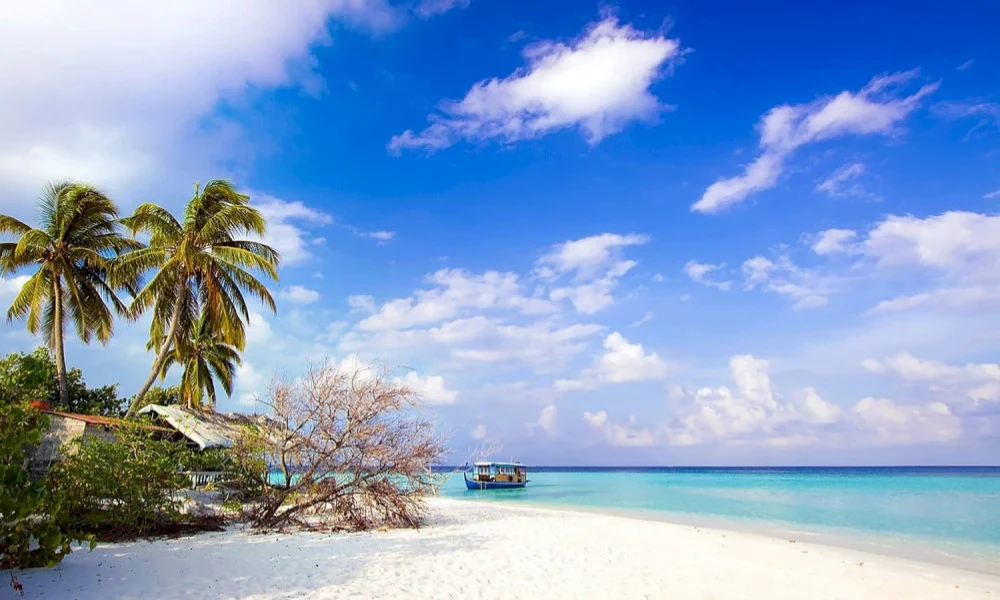
Nature lovers can explore Phu Quoc National Park, home to dense jungles and diverse wildlife. The island is also famous for its fish sauce production and pearl farms. So you can enjoy snorkeling, kayaking, or taking a night market stroll to taste local seafood.
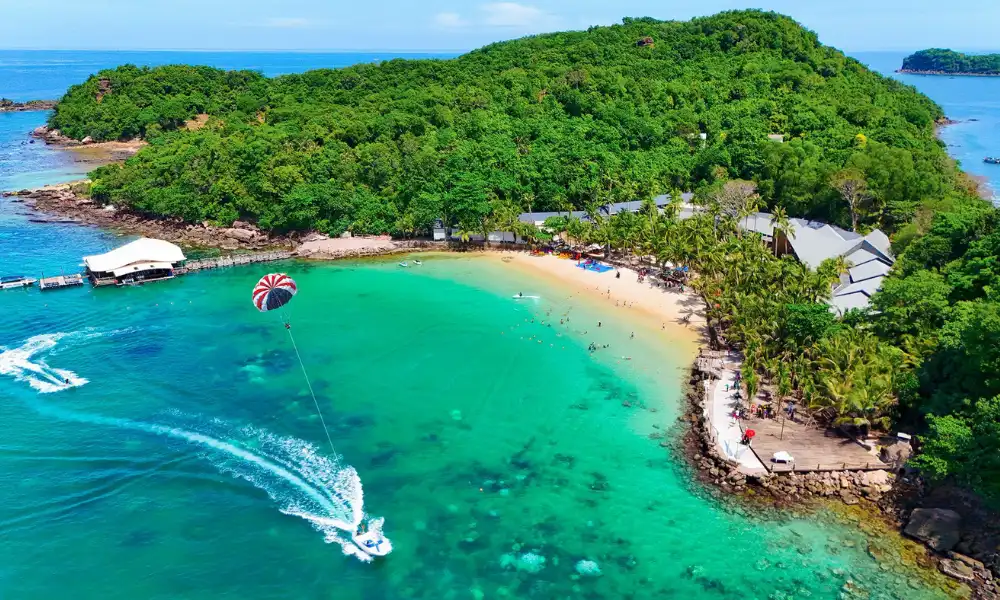
This island has seen rapid development, yet many areas remain quiet and untouched. Whether you stay at a luxury resort or a seaside bungalow, the island’s beauty always feels personal and serene. For travelers craving a peaceful escape, Phu Quoc is paradise found.
Mui Ne
Located in Binh Thuan Province, Mui Ne is a coastal town known for its striking sand dunes and strong sea breezes. It’s a paradise for kitesurfing, windsurfing, and other water sports. The Red and White Sand Dunes offer incredible sunrise and sunset views, perfect for photography.
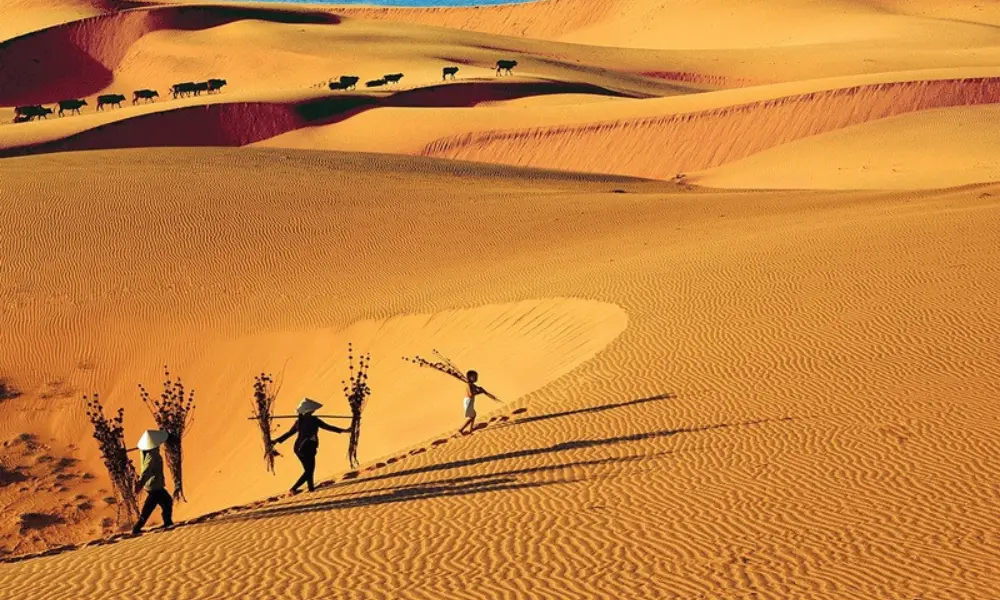
Travelers can also visit the Fairy Stream, a unique landscape of soft sand and gentle water flow. The fishing village nearby provides a glimpse into local life, with colorful boats lining the shore. With its natural beauty and relaxed vibe, Mui Ne is a favorite destination for beach lovers and adventure seekers alike.
From the misty mountains in the North to the sunny beaches in the South, Vietnam offers an endless variety of experiences for every traveler. Each region has its own beauty, culture, and story waiting to be discovered. Whether you seek adventure, history, or relaxation, these places to go in Vietnam will leave you with memories to treasure forever.