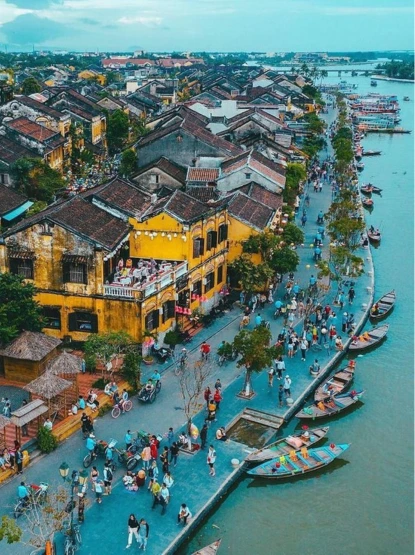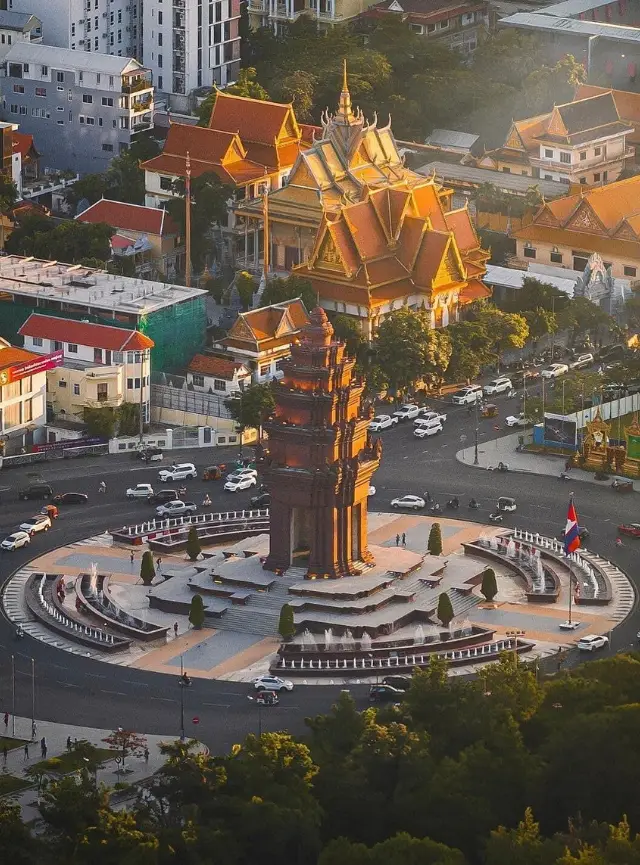
Vietnam is a country rich in identity with a diverse blend of culture, history, and nature. Travelers can explore vibrant cities such as Hanoi and Ho Chi Minh City, as well as famous destinations like Ha Long Bay and Hoi An Ancient Town. In addition, Vietnam attracts visitors with its cuisine, spiritual temples and stunning beaches in Da Nang, Nha Trang, and Phu Quoc.
With its rich landscapes ranging from mountains to the sea, Vietnam is an ideal destination for all kinds of travel experiences. Therefore, when you travel to Vietnam, understanding the Vietnam currency will help you manage your expenses easily and avoid unnecessary confusion.
What is the Vietnam currency called?
The official currency of Vietnam is the Vietnamese dong, commonly abbreviated as VND with Vietnam currency symbol ₫. It is used in most daily transactions across the country. Although some places may accept foreign currencies such as USD, using the local currency remains the most common and convenient option.
Cash still plays an important role, especially in rural areas and small local shops if you want to enjoy Vietnamese street food. However, electronic payments are rapidly growing in major cities, with methods such as bank transfers, e-wallets, and QR code payments becoming increasingly popular. The combination of cash and digital payments makes Vietnam’s financial system more flexible.
Denominations and currency system
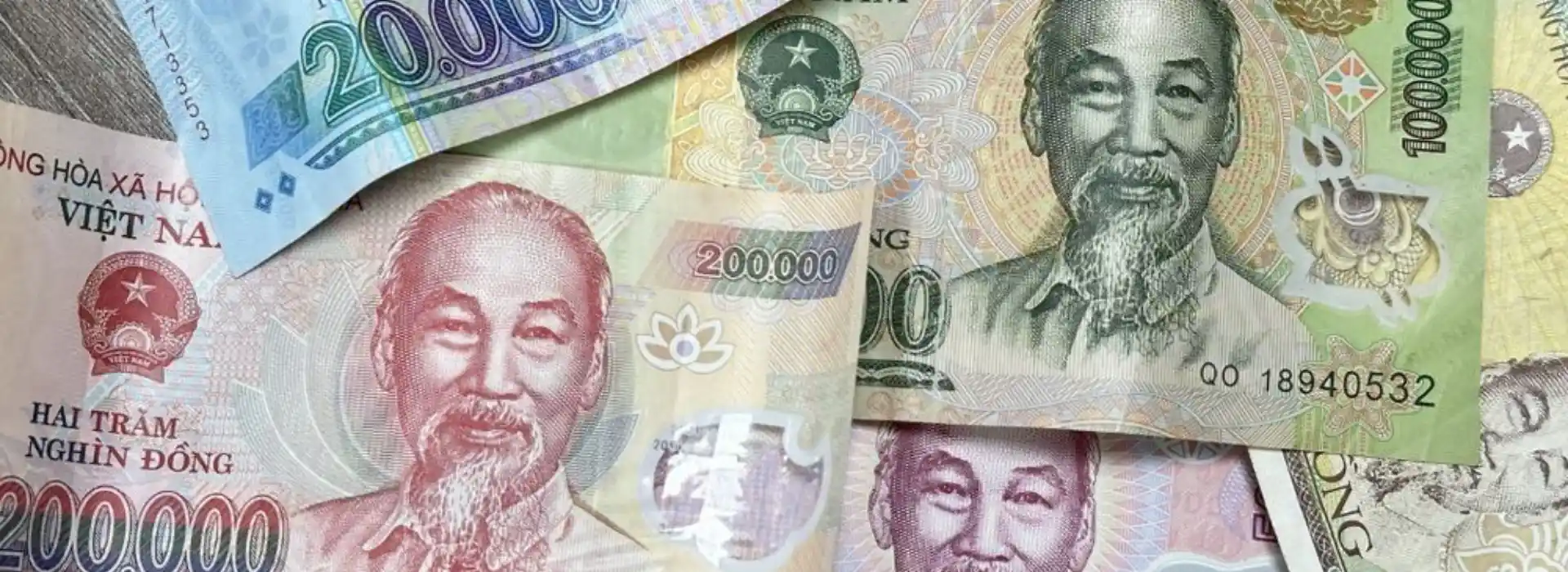
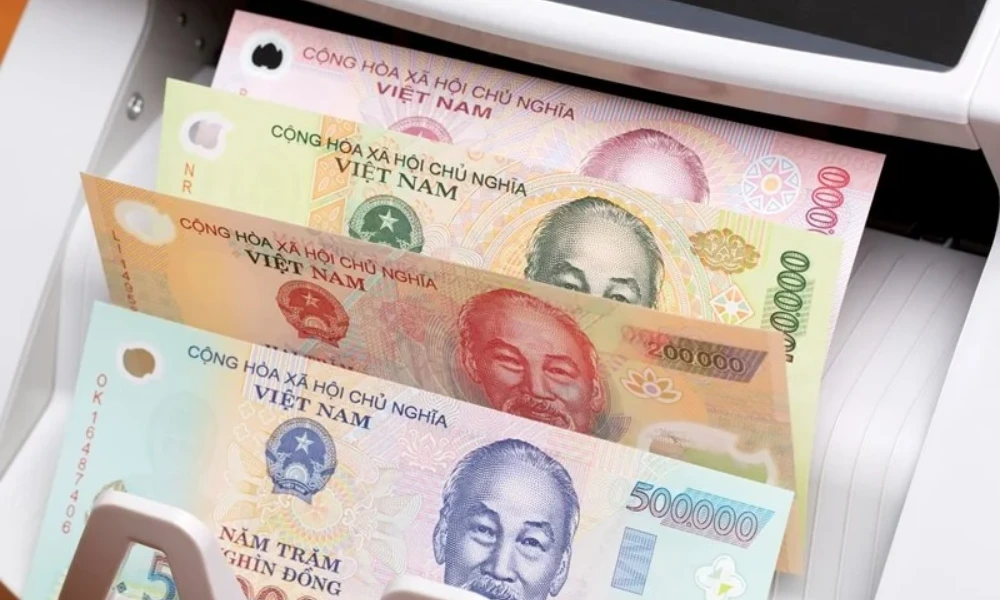
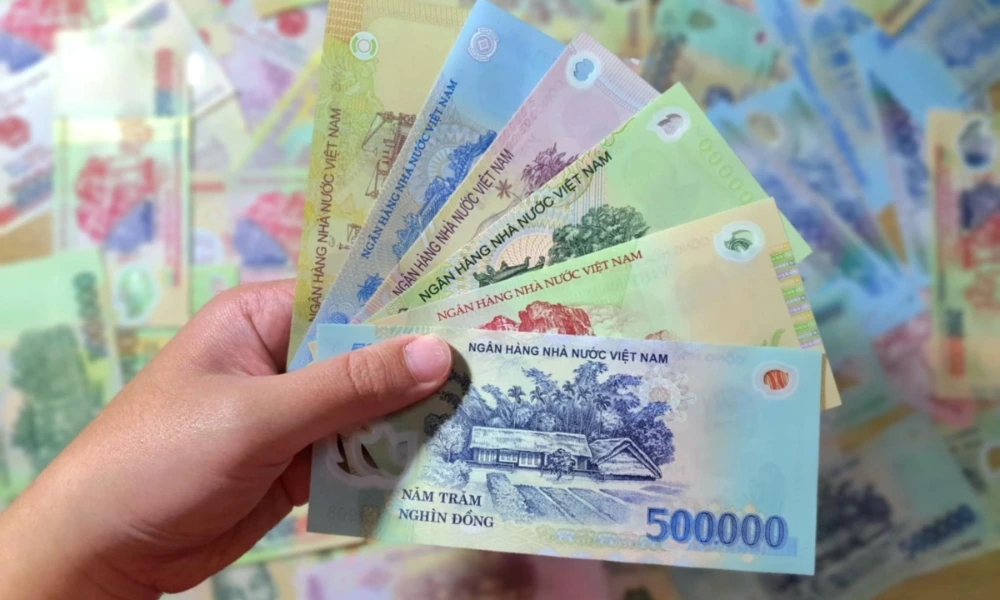
Vietnam dong currency system includes various banknote denominations ranging from 1,000 VND to 500,000 VND. Common denominations include 10,000, 20,000, 50,000, 100,000, 200,000, and 500,000 VND. Currently, polymer banknotes are widely used due to their durability and strong anti-counterfeiting features.
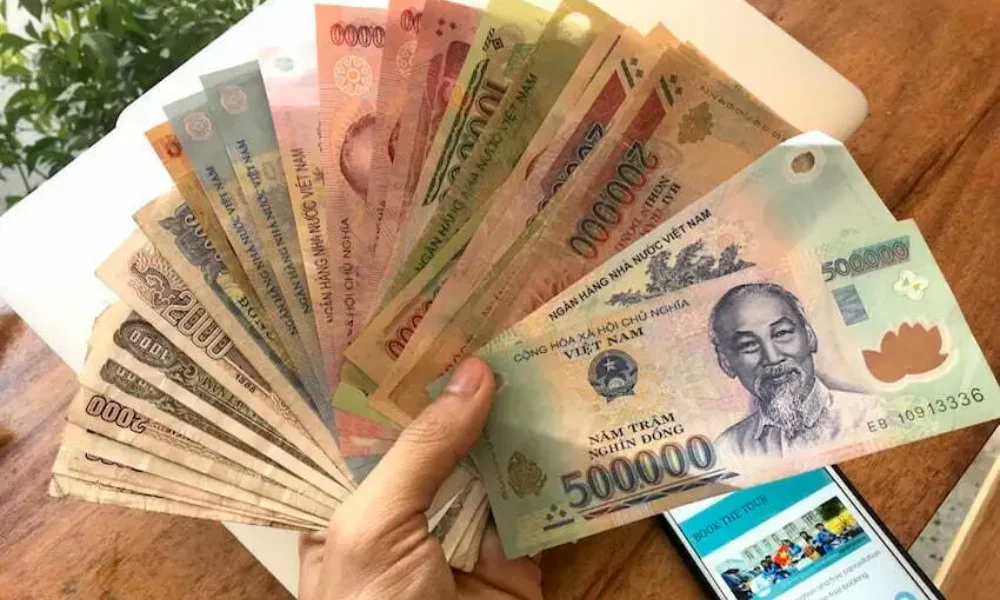
Meanwhile, smaller denominations such as 1,000, 2,000, and 5,000 VND still exist in traditional cotton paper form. Users should pay attention to the colors and sizes of each banknote to avoid confusion during transactions. In addition, coins are now rarely used due to their low value and inconvenience in daily payments.
Exchange rates and currency conversion
Besides, exchange rates between VND and major currencies like USD frequently fluctuate based on financial markets. Factors such as inflation, monetary policy, and global economic conditions can all influence the rate. In 2026, the average Vietnam currency to USD rate is approximately 1 USD ≈ 26,000–26,300 VND.
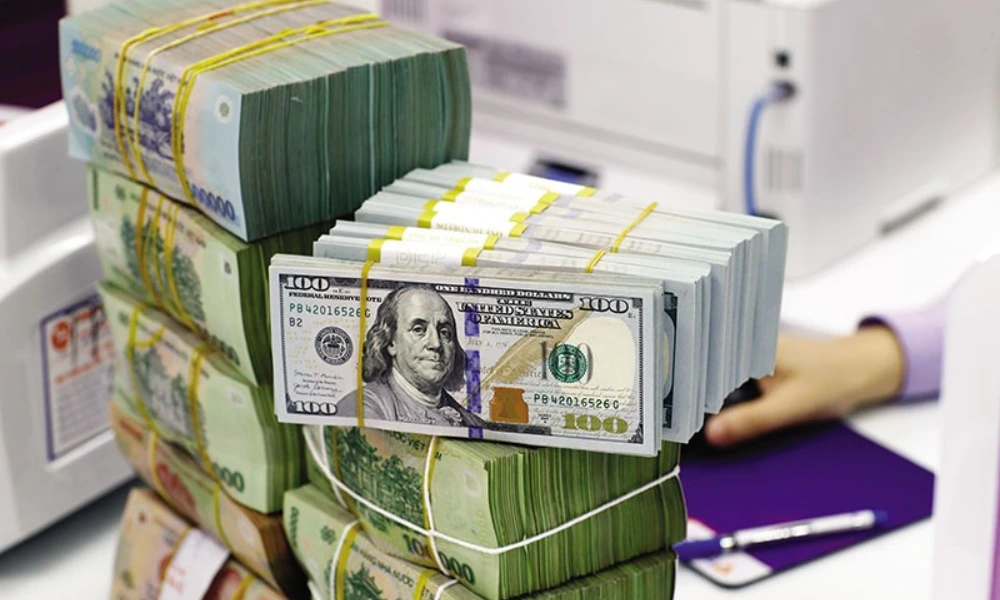
Travelers should monitor the dongs Vietnam to USD exchange rate before arriving to plan their budget effectively. When converting money, it is helpful to round amounts and prepare smaller denominations for daily spending. Avoid exchanging money at unreliable locations, as understanding the Vietnam currency value will help you feel more confident when shopping and using services.
How to use money in Vietnam?
Currently, two main payment methods are widely used in Vietnam: cash and bank transfers. Each method has its own advantages and is suitable for different situations. Using both flexibly will make your travel experience to Vietnam more convenient.
Cash payments
Dong Vietnam cash is commonly used at traditional markets, small restaurants, and regular taxis. It is the most convenient option when shopping in places that do not support electronic payments. When paying with Vietnam currency, you should carefully check the amount and prepare small bills to avoid confusion.

Cashless payments
Instead of that, cashless payments are becoming increasingly popular in Vietnam. Common methods include bank transfers, e-wallets, and QR code payments. However, not all places accept these methods, especially in rural areas when exploring Vietnam.
Where to exchange money in Vietnam?
You can do the money exchange Vietnam dong at banks, airports, or reputable gold shops. Banks are the safest option, offering transparent and reliable exchange rates. Meanwhile, some gold shops may provide better rates, but you should carefully choose a trustworthy location.

Exchanging money at the airport is convenient, but the rates are usually lower than in the city center like Hanoi or Ho Chi Minh City. It is recommended to check rates in advance and only exchange a small amount upon arrival. Additionally, you can ask our travel company staff or tour guide for assistance in finding a suitable place to exchange money.
Important tips for using money in Vietnam
When using money in Vietnam, you should be careful to avoid confusion between denominations, as many banknotes have similar colors. In particular, the 20,000 and 500,000 VND notes can be easily mistaken if you are not paying close attention. You should keep your money secure and avoid displaying large amounts of cash in crowded places.
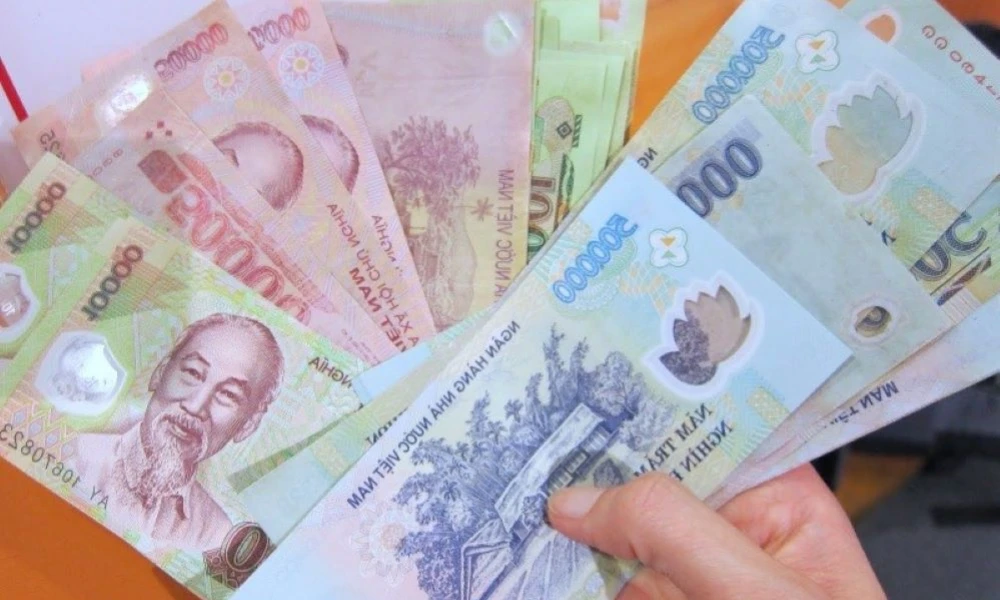
Additionally, always check your money carefully after receiving it to avoid counterfeit notes. In tourism, tipping is not mandatory but is often appreciated in services such as restaurants and hotels. A small tip can help you receive better service and create a positive impression with staff.
Understanding Vietnam currency will help you enjoy a smoother and more convenient journey when you travel to Vietnam. Before your trip, make sure to prepare your visa and choose the best time to visit, and Avex Vietnam Travel can support you with all the essential information. With the right preparation, including knowledge of currency, your experience in Vietnam will be more enjoyable and stress-free.