When it comes to the best Vietnamese food, Vietnam is widely regarded as a true culinary paradise thanks to its diverse flavors and fresh ingredients. Vietnamese cuisine is defined by a delicate balance of salty, sweet, sour, and spicy tastes, deeply rooted in local culture. Each region offers its own identity, from the light and refined flavors of the North to the bold dishes of the Central region and the vibrant, slightly sweet cuisine of the South.
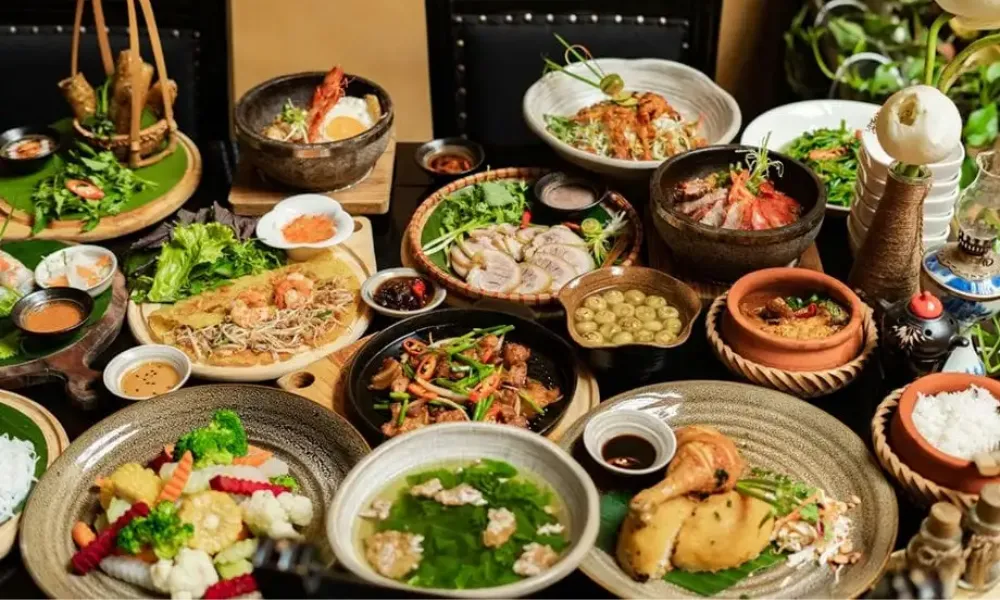
For many travelers who want to travel to Vietnam and truly understand local culture, the fastest and most authentic way is through food. Every dish tells a story about daily life, traditions, and the spirit of the Vietnamese people. That is why cuisine plays an essential role in any journey across this diverse country.
On this culinary journey, Avex Vietnam Travel supports you in selecting the most representative dishes from each region. With expert recommendations and thoughtful planning, your trip to Vietnam will become more complete, meaningful, and unforgettable. Below, we highlight some of the most iconic dishes that capture the essence of Vietnamese gastronomy.
Pho
One of the most popular Vietnamese food is Pho, best known for its clear, lightly sweet broth that is slowly simmered from bones for many hours. Vietnam pho soup’s flavor comes from a harmonious blend of traditional spices such as cinnamon, star anise, and cardamom, combined with soft rice noodles and fresh meat. This delicate yet comforting taste makes pho easy to enjoy and appealing to both locals and international travelers.
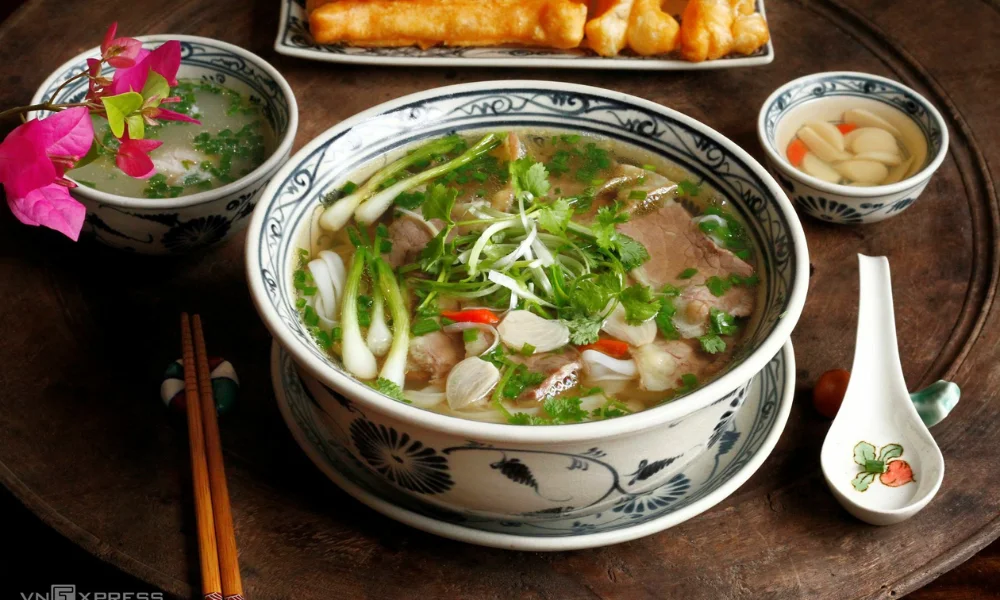
More than just a dish, pho Vietnam is deeply connected to everyday Vietnamese life and can be found throughout the entire country. From humble street stalls to elegant restaurants, pho holds a special place in Vietnam’s food culture. Thanks to its wide availability and distinctive flavor, pho has become a culinary symbol representing Vietnam around the world.
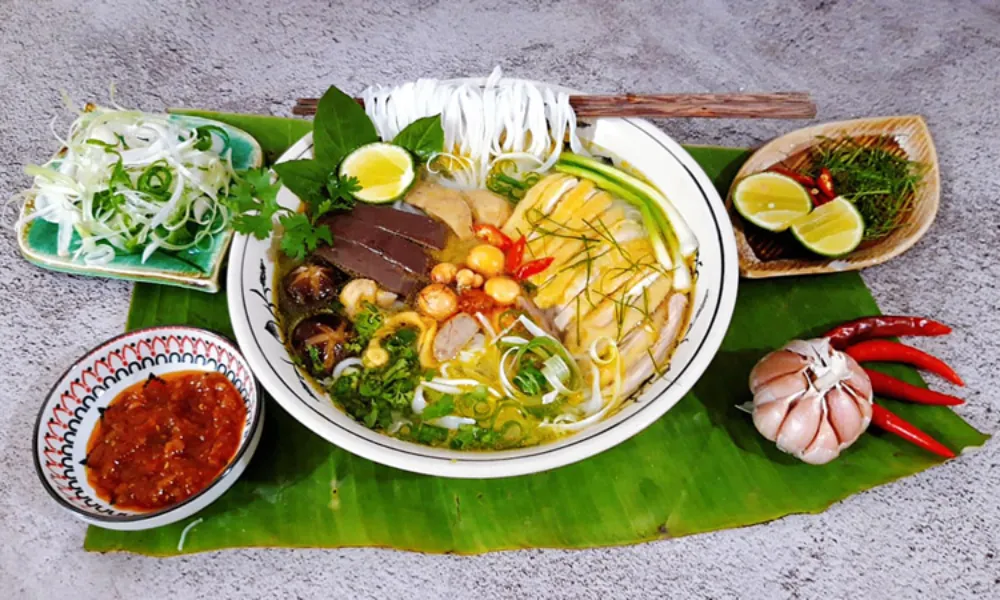
In addition to the classic beef pho, there are many popular variations such as chicken pho, rare beef pho, brisket pho, tendon pho, and pho served with wine-stewed beef. Each version offers a unique taste and texture, catering to different preferences. No matter how it is enjoyed, pho always reflects the light, balanced, and refined spirit of Vietnamese cuisine.
Banh mi (Sandwich Vietnamese)
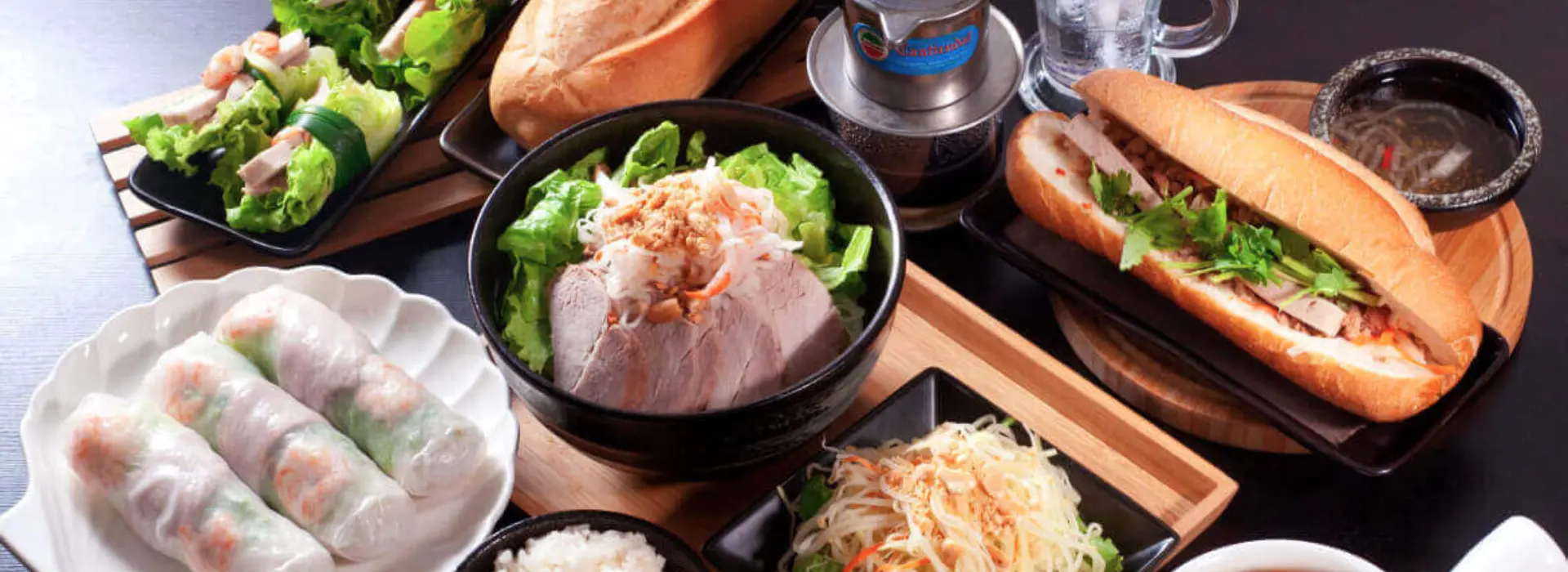
Banh mi is one of the most iconic Vietnamese street food dishes, instantly recognizable for its crispy crust and soft, airy interior. The filling is highly diverse, typically featuring meats, pâté, pickled vegetables, fresh herbs, and savory sauces that create a perfect balance of flavors. Thanks to its convenience, affordability, and delicious taste, banh mi is enjoyed across the entire country.
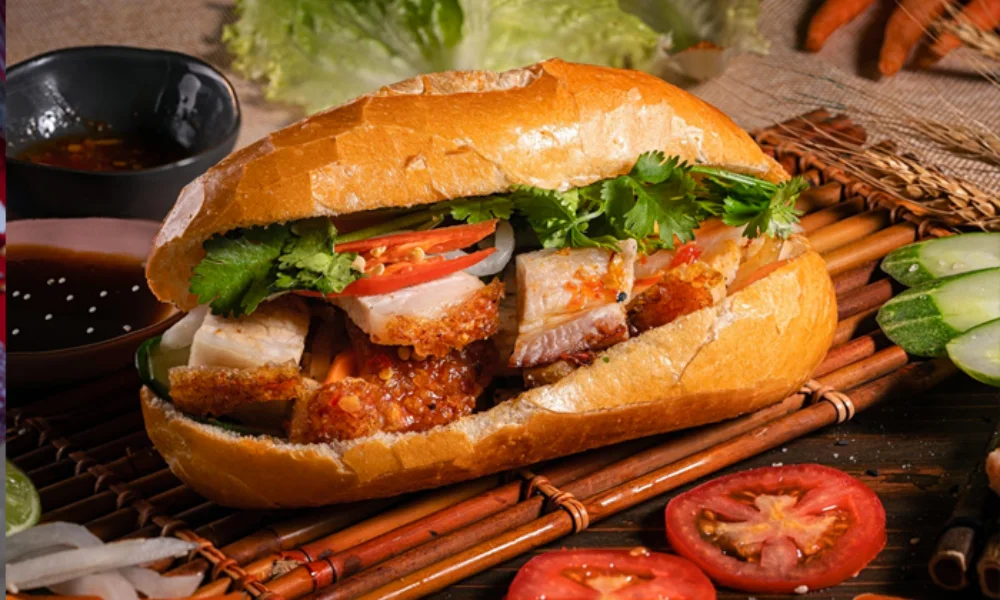
In Northern Vietnam, Hanoi-style banh mi is usually smaller with a thinner crust and simpler fillings, focusing on pâté, cold cuts, and mild, refined flavors. By contrast, Hoi An banh mi from Central Vietnam is known for its richer fillings, signature sauces, and a bold balance of sweet, salty, and spicy tastes. Its more elaborate preparation has made Hoi An banh mi especially popular among international travelers.
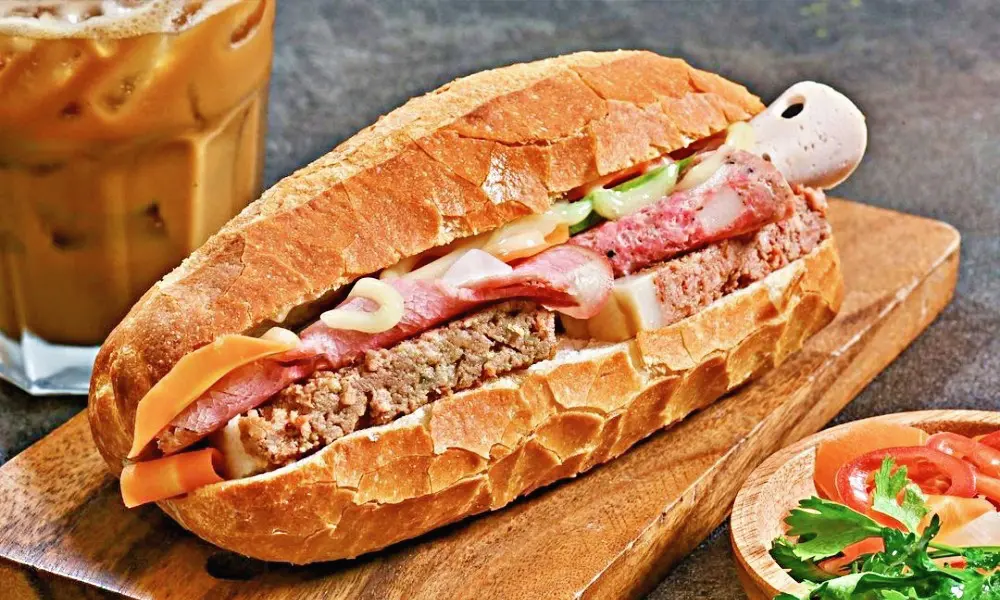
In the South, banh mi represents the vibrant spirit of Vietnamese street food Saigon, with larger portions, generous fillings, and bold, indulgent flavors. Compared to the light and subtle Hanoi version and the deeply flavored Hoi An style, Saigon banh mi feels more dynamic, diverse, and energetic. Despite regional differences, all versions of banh mi reflect the creativity and richness of Vietnamese street cuisine culture.
Bun cha
As one of the best Vietnamese food of Northern, this specialty is closely associated with Hanoi cuisine and the everyday life of local people. Bun Vietnamese food stands out for its charcoal-grilled pork, including both sliced and minced patties, served with fresh rice vermicelli, herbs, and a sweet-and-sour dipping sauce made with Vietnamese food fish sauce. Its signature flavor comes from the perfect balance between the smoky aroma of grilled meat, the freshness of herbs, and the gentle richness of the dipping sauce.
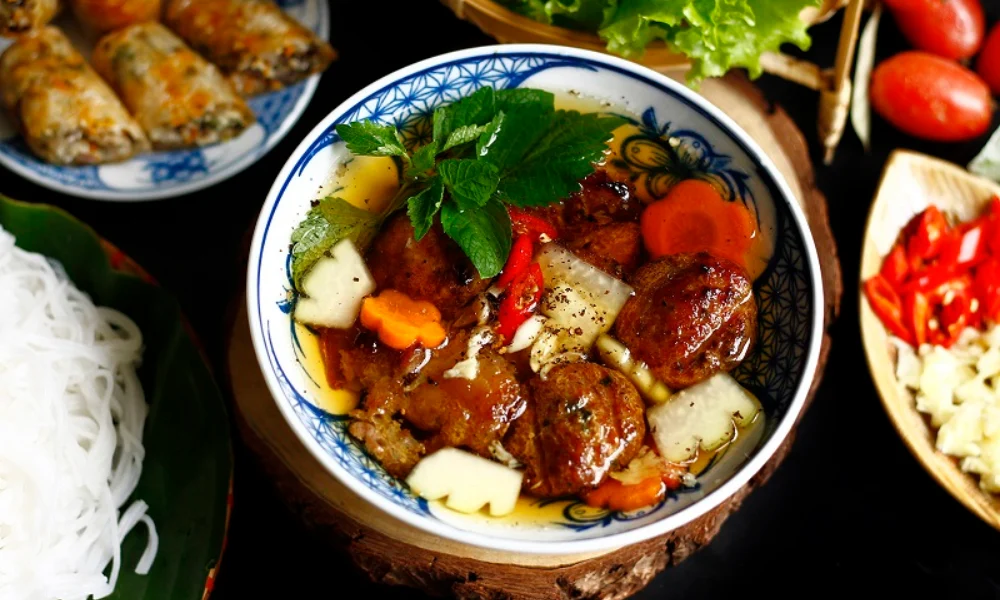
The true highlight lies in the carefully marinated pork, grilled to perfection to remain tender and fragrant. Simple yet refined in its combination of ingredients, bun cha offers a dining experience that truly reflects the spirit of Hanoi. Travelers should try this dish at least once to fully appreciate the rustic charm and culinary essence of Northern Vietnamese cuisine.
Spring rolls
In Northern Vietnam, this dish is known as nem ran, while in the South it is commonly called cha gio. Both versions use rice paper wrappers filled with savory ingredients and deep-fried until golden and crispy, making them a classic traditional Vietnamese food often served on special occasions. In Central Vietnam, however, the dish appears in a noticeably different form, with smaller rolls and a bolder, spicier flavor compared to the other two regions.
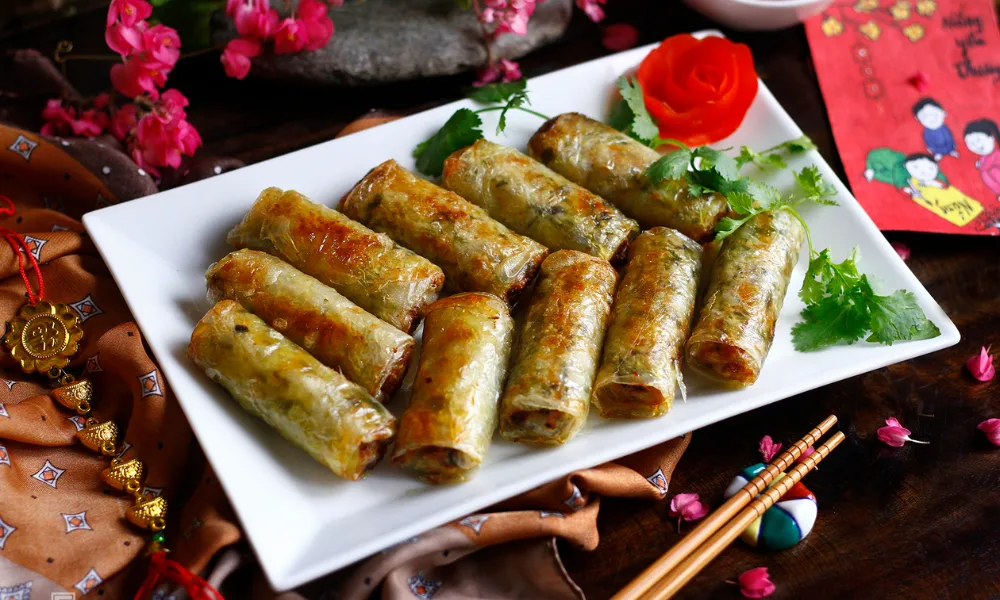
In terms of taste, Northern-style spring rolls are lighter and more balanced, focusing on harmony between pork, glass noodles, mushrooms, and vegetables. Southern-style cha gio is richer and more flavorful, with more varied fillings that may include seafood or shrimp spring rolls, giving it a fuller texture. Despite regional differences, all versions are deeply associated with family gatherings and remain an essential Vietnamese New Year food across the country.
Summer rolls
Considered a signature dish of Southern Vietnam, summer rolls offer light, refreshing flavors and are prepared without frying.. From its southern origins, it has become a common Vietnamese food across the country, adapting naturally to the tastes of different regions. This flexibility has allowed the dish to remain popular in both everyday meals and local gatherings.
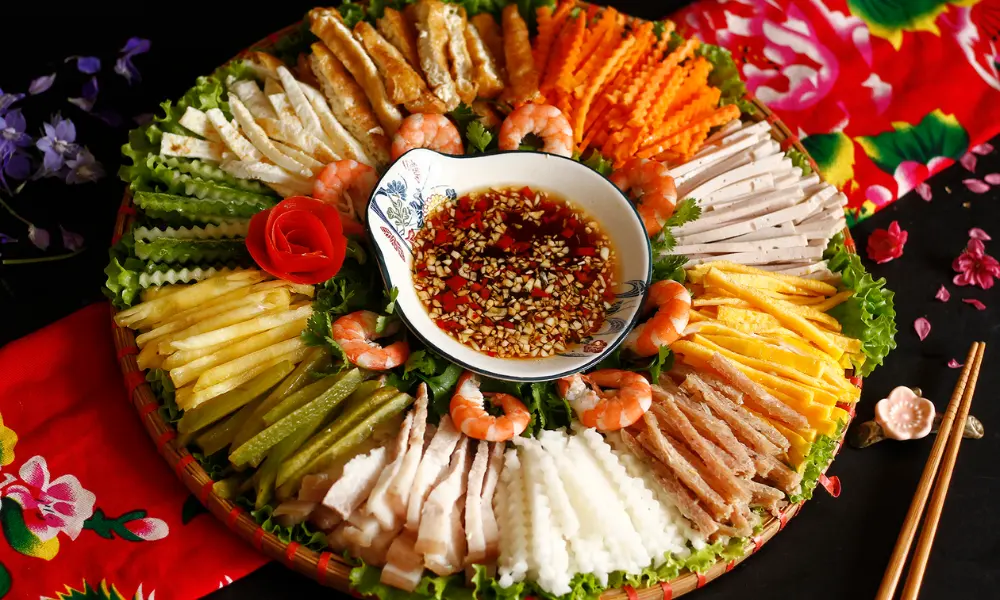
In the North, they usually make the rolls in a simpler style with boiled pork, rice vermicelli, and fresh herbs, offering a clean and delicate taste. Central Vietnam favors bolder flavors, often adding shrimp, pork, or fermented pork roll, served with a saltier and spicier dipping sauce. These regional variations clearly reflect the distinct culinary preferences of each area.
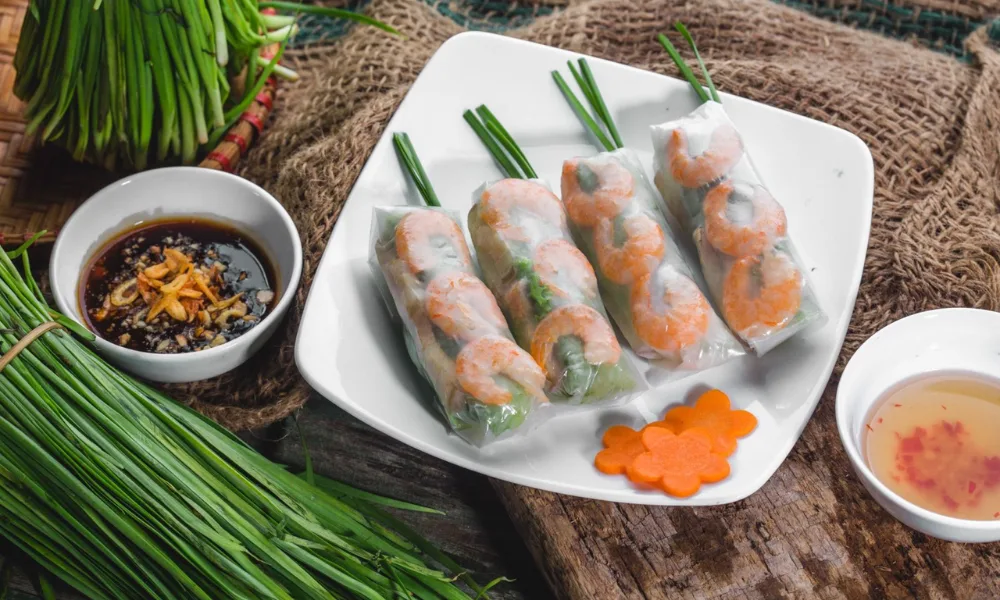
The Southern version is the most well-known, featuring a generous filling of shrimp, sliced pork belly, rice noodles, and a wide variety of fresh herbs. Compared to the subtle Northern style and the intense Central flavors, Southern fresh rolls deliver a balanced, refreshing, and easy-to-enjoy taste. Thanks to their rich fillings and flavorful dipping sauces, these rolls have become a favorite among both locals and international travelers.
Bun bo Hue
When you come to the ancient city of Hue you cannot miss its signature dish, bun bo Hue, closely associated with the poetic charm and deep cultural heritage of this former imperial capital. The dish is known for its rich, slightly spicy flavor and the distinctive aroma of lemongrass and fermented shrimp paste, which are key elements of Central Vietnamese cuisine. This harmonious balance of spicy, salty, and savory notes gives Bun bo Hue a unique character that sets it apart from other noodle soups.
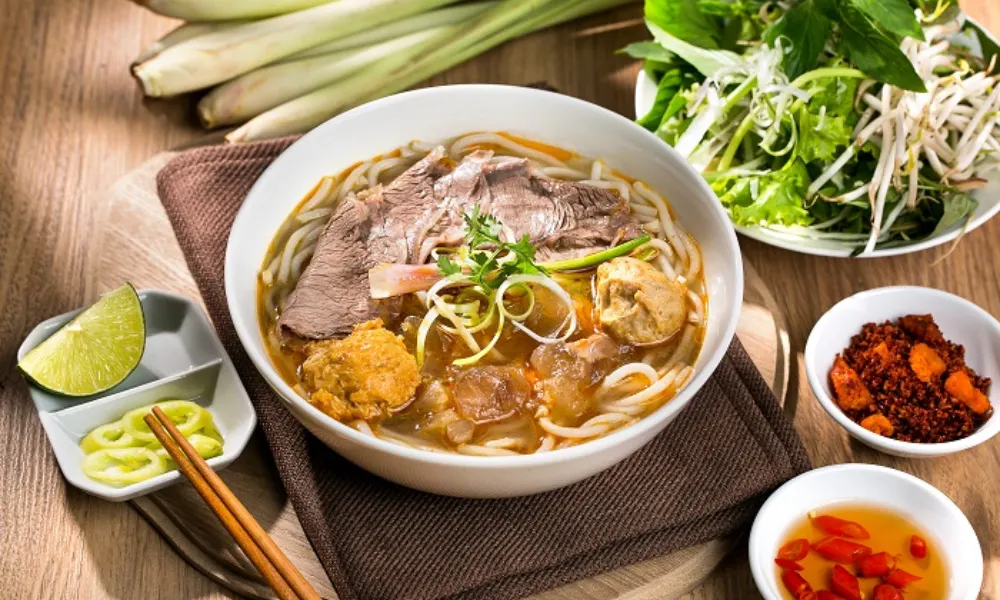
The main ingredients include thick rice noodles, beef, pork knuckle, crab paste, and a broth slowly simmered from bones for many hours. Each component is carefully prepared to preserve the authentic flavors of Hue. Thanks to its bold taste, complex ingredients, and cultural significance, Bun bo Hue is widely regarded as one of the best Vietnamese food experiences to try when exploring Vietnam.
Com Tam (Rice Tam)
As a signature specialty of Southern Vietnam, rice Tam is known for its rich, comforting flavors and easy-to-enjoy appeal. Its taste features a harmonious balance of savory, sweet, and slightly fatty notes, clearly reflecting the culinary preferences of the South. This simple yet distinctive character has made com tam Vietnam a beloved part of everyday dining.
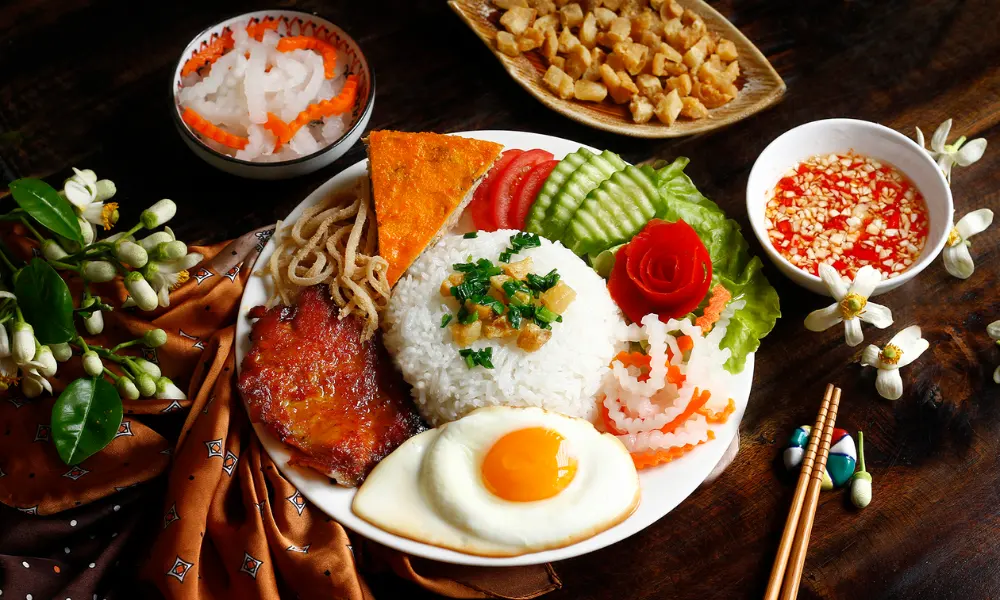
The most distinctive feature lies in the use of broken rice, which remains soft and fragrant when cooked. They commonly serve with grilled pork chop, shredded pork skin, steamed egg meatloaf, fried egg, pickled vegetables, and sweet fish sauce. Thanks to this generous combination, com tam has earned its place among the most popular Vietnamese foods, loved by both locals and international travelers.
If you plan to travel to Vietnam, focusing only on the best time to visit, travel visa, or the most popular places to go in Vietnam is not enough. Vietnamese cuisine plays a key role in helping you understand the country’s culture, people, and everyday life across different regions. Only by exploring the best Vietnamese food can your journey through Vietnam become truly complete and memorable.