
During your journey to Vietnam, the S-shaped land stretching from north to south will reveal its unique charm in every season. From the golden terraced rice fields in the northern mountains and the crystal-clear beaches of Central Vietnam to the lush fruit gardens of the Mekong Delta, the country’s landscapes change beautifully over time. That’s why the question of the best time to visit Vietnam always sparks curiosity among travelers.
In fact, there is no “bad” season to travel, only the one that best matches the experience you are looking for. With insights from Avex Vietnam Travel, you’ll discover the ideal time to visit Vietnam, whether you wish to admire breathtaking nature, immerse yourself in vibrant festivals, or simply enjoy moments of peace amid the local rhythm of life. No matter the season, spring, summer, autumn, or winter, Vietnam always welcomes you with warm smiles and timeless beauty.
Before traveling to Vietnam, it’s important to learn about the country’s different regions and overall climate. Each part of Vietnam, the North, Central, and South offers unique weather conditions and travel experiences throughout the year. Our agency will help you plan your itinerary wisely and make the most of your journey across this diverse land.
What is the climate in Vietnam?
Vietnam climate is generally tropical and monsoonal, characterized by high humidity and distinct wet and dry seasons. The northern part experiences four separate seasons, while the central and southern regions enjoy warmer weather, best time of year to visit Vietnam. Thanks to this diversity, travelers can visit Vietnam at almost any time and still find ideal destinations to explore.
What is the weather in Vietnam?
Because Vietnam stretches over 1,600 kilometers from north to south, the Vietnam weather varies greatly between its regions. The North has a cool winter and hot summer, the Central region faces both dry and rainy seasons, and the South enjoys a tropical climate with consistent warmth year-round. Knowing these types of weather in Vietnam helps travelers decide the best time to travel to Vietnam based on their preferred activities and destinations.
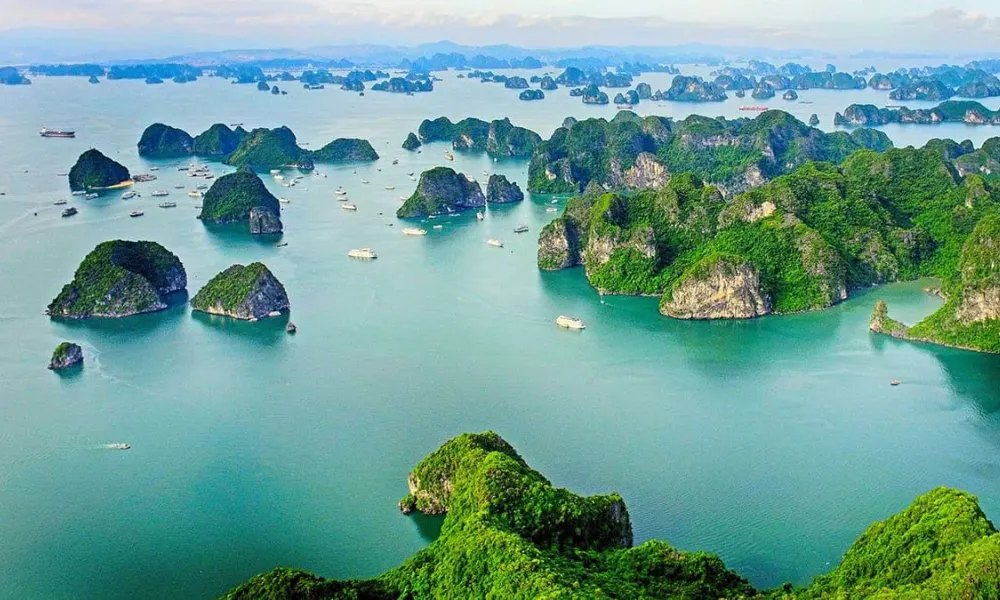
Northern Vietnam
Throughout the year, the northern region of Vietnam reveals four distinct seasons: spring, summer, autumn, and winter, each offering its own charm and beauty. Weather conditions vary greatly from one period to another, creating diverse travel experiences for visitors. To help you plan your journey wisely, our company present the highlights of each season and the best moments to explore this fascinating part of the country.
Spring
During the first months of the year (from February to April), northern Vietnam enjoys mild and pleasant weather, with temperatures ranging from 18°C to 25°C. Gentle humidity and light drizzles often cover the cities in a thin mist, giving places like Hanoi and SaPa a dreamy, poetic charm. Everywhere, flowers begin to bloom, from peach blossoms to kumquat trees, creating a vibrant atmosphere that marks visiting Vietnam in February, when locals celebrate Tet (Lunar New Year).
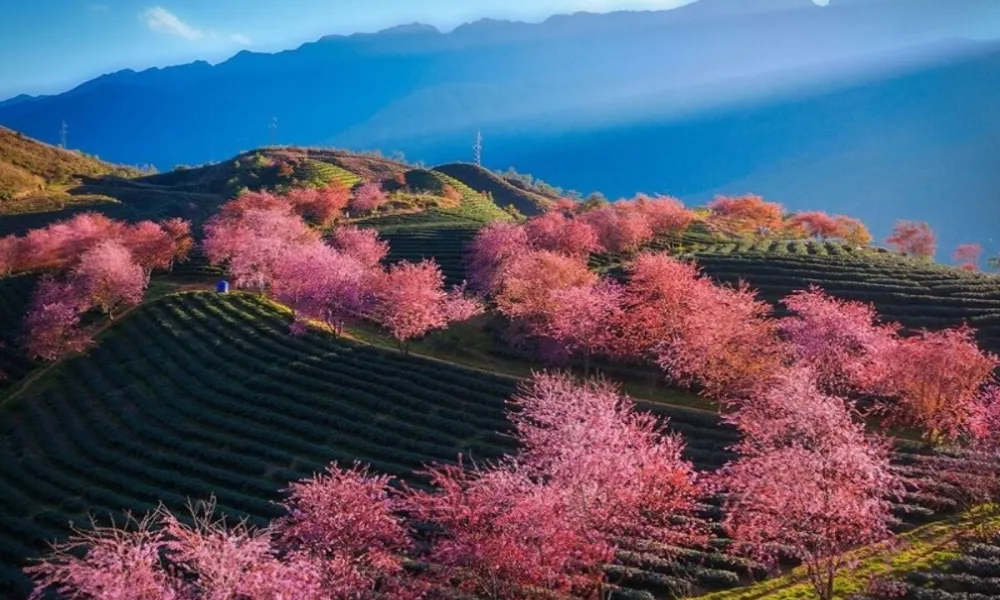
For those visiting Vietnam in March, the weather becomes slightly warmer, with more sunshine and fewer rainy days, making it ideal for outdoor sightseeing and exploring traditional villages. The landscapes turn greener as nature awakens, especially in northern mountains like Moc Chau or Ninh Binh.
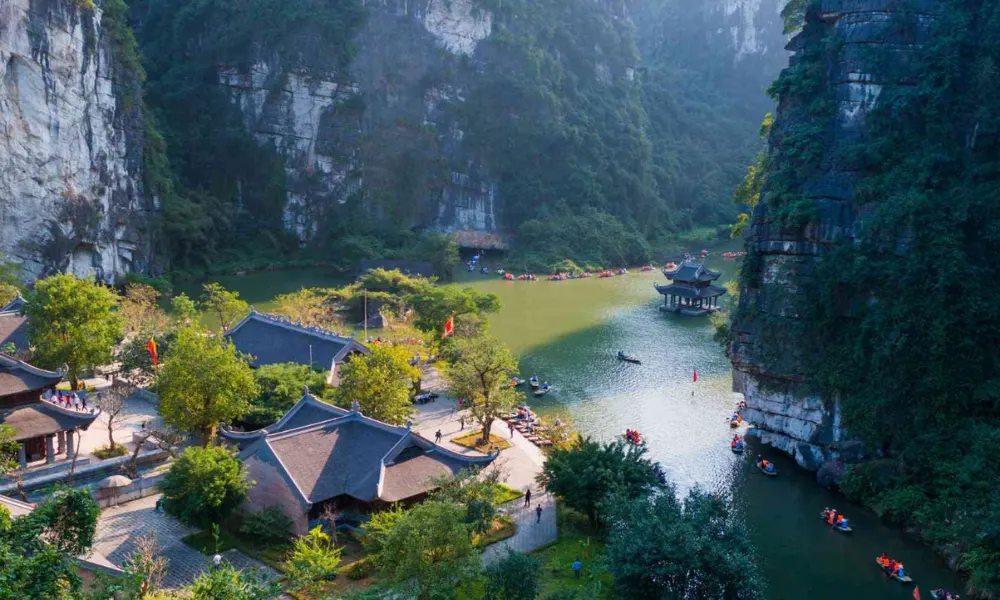
The climate in Vietnam in April transitions gradually toward early summer, bringing longer days and bright skies. This month is perfect for travelers who enjoy mild warmth without the intense heat of summer. This month marks the end of spring — a time when northern Vietnam feels fresh, colorful, and full of gentle energy that sets the tone for unforgettable adventures ahead.
Summer
From May to August, the northern region of Vietnam experiences its hottest and most energetic months of the year. Temperatures often range between 28°C and 38°C, creating a humid atmosphere that is both intense and vibrant. Sudden tropical showers appear frequently, but they quickly give way to brilliant sunshine and clear skies.
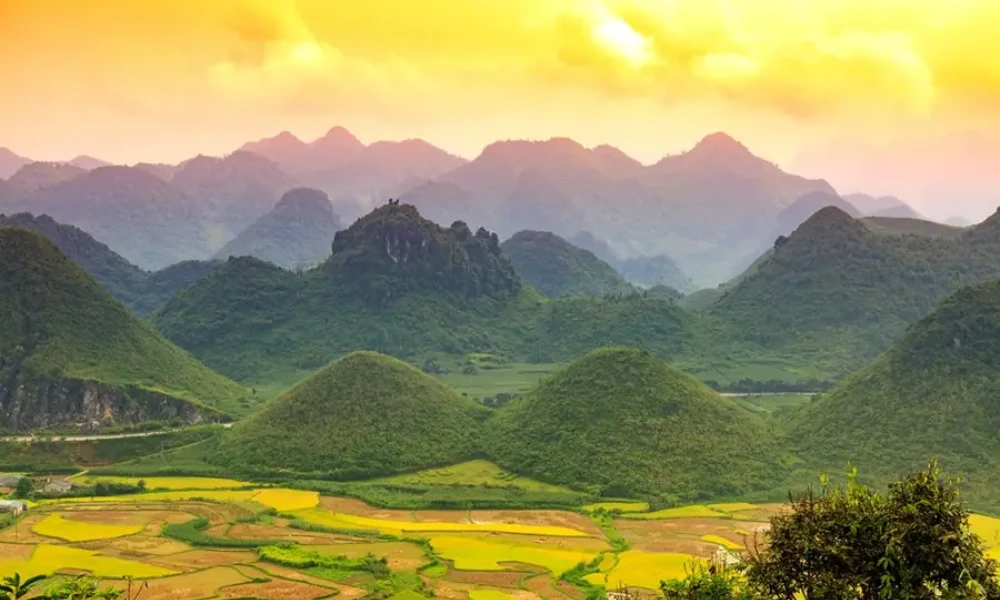
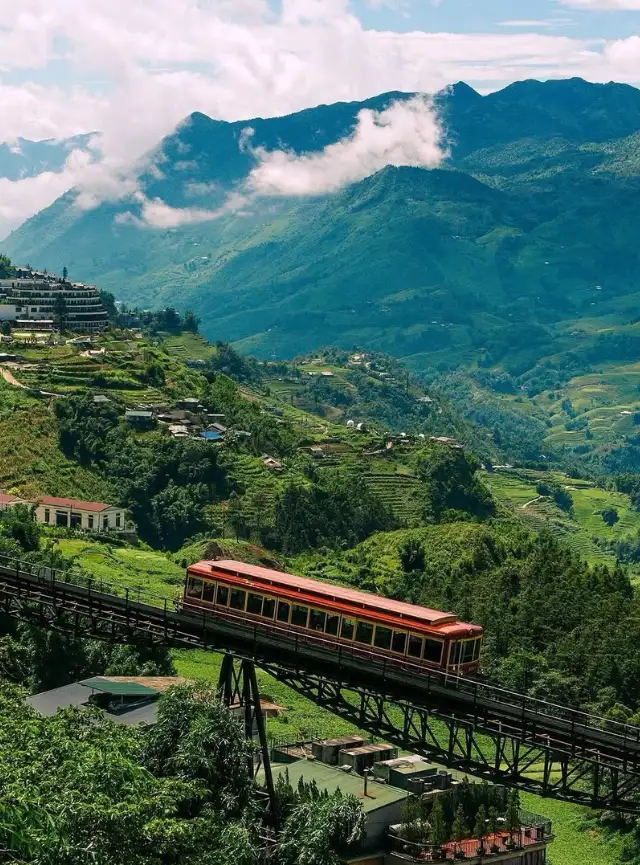
The heat may feel strong in the cities, yet it breathes life into the countryside and fills the landscape with lush greenery. For those visiting Vietnam in July, it’s the perfect time to explore mountain destinations like Sapa or Ha Giang, where cool breezes and terraced rice fields create a refreshing escape from the summer heat. Travelers planning trips to Hanoi or coastal gems such as Ha Long Bay should pack light, breathable clothing, sunscreen, and wide-brimmed hats to stay comfortable.

Outdoor enthusiasts will love this season’s energy, it’s ideal for hiking, kayaking, or simply enjoying the beauty of Vietnam’s nature under bright blue skies. However, staying hydrated and avoiding outdoor activities during peak midday hours is essential. With its tropical rhythm and vivid colors, summer in the North offers an unforgettable and dynamic travel experience.
Autumn
Northern Vietnam slowly drifts into autumn, between September and November when the air turns crisp and the sunlight becomes soft and golden. The heavy rains of summer fade away, leaving clear skies and gentle breezes that make every journey feel peaceful. Temperatures drop to a comfortable range of 20°C to 28°C, ideal for walking through the best cities to visit in Vietnam in December like Hanoi or exploring mountain paths.
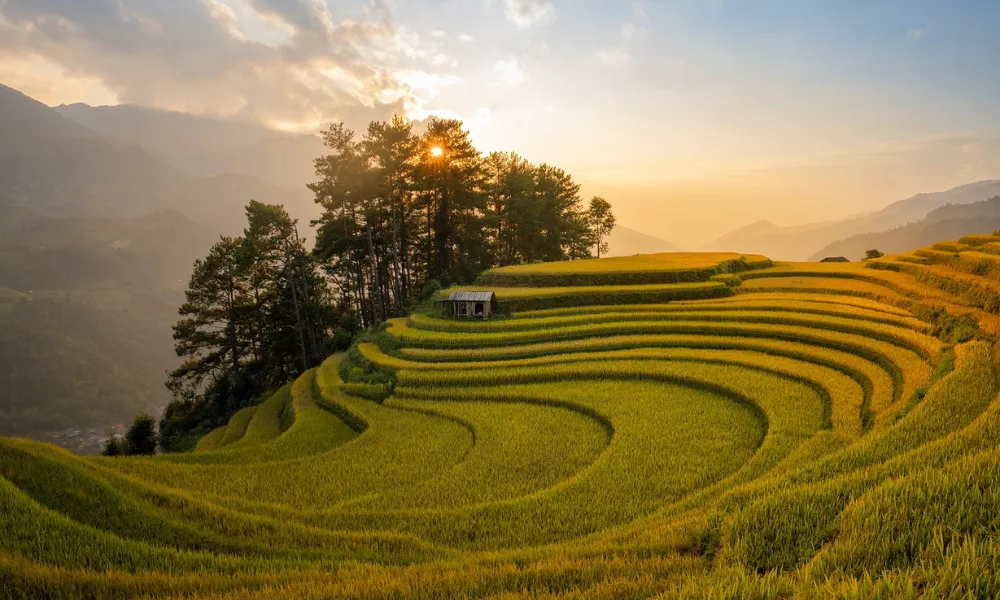
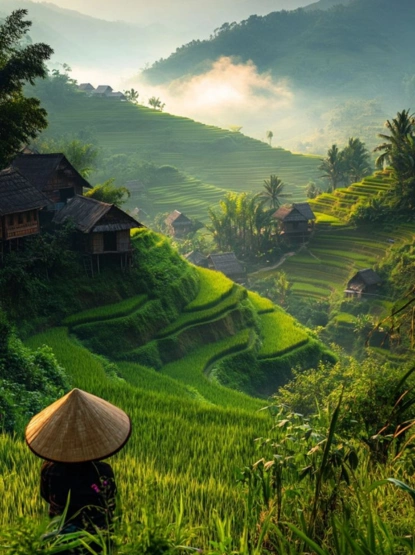
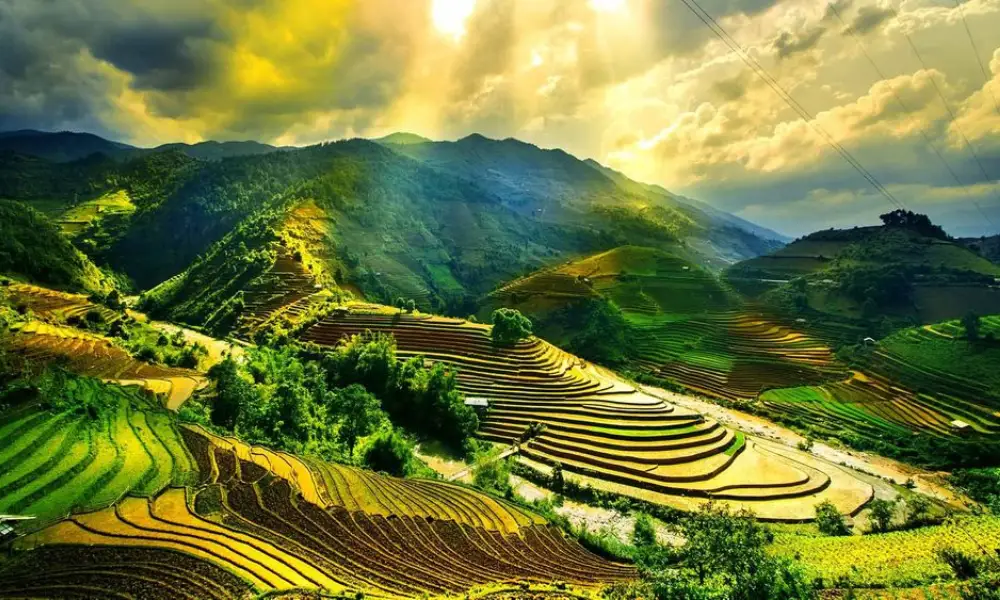
If you’re visiting Vietnam in September, you’ll witness the rice fields in Mu Cang Chai and Ha Giang at their most stunning, glowing with layers of gold under the sun. October brings a nostalgic charm to Hanoi, when milk flowers bloom and their delicate fragrance fills the evening air. Light jackets and walking shoes are recommended, as mornings and nights can be refreshingly cool.
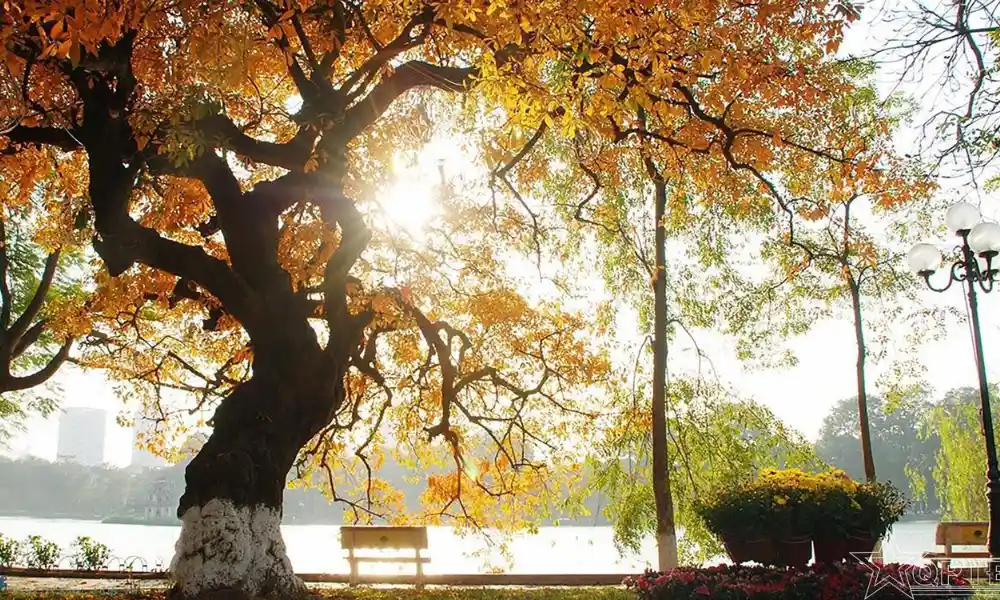
For many travelers, this season marks the best time to visit Northern Vietnam in autumn, when the landscape is at its most graceful and the rhythm of life feels slower and more romantic. Whether you’re sipping coffee beside West Lake or watching mist rise over the mountains, autumn invites you to experience Vietnam in its most poetic mood. It’s a season of balance, calm yet full of quiet beauty — that lingers in memory long after the journey ends.
Winter
At the end of the year, from December to January, northern Vietnam enters its coldest and most tranquil season of the year. The air turns crisp, and a thin layer of mist often drifts through the streets of Hanoi or settles quietly over the mountains of Sapa. Temperatures typically range between 10°C and 20°C, though in highland areas they can drop close to freezing. The chill in the air gives northern cities a nostalgic charm, making them feel slower, quieter, and full of character.
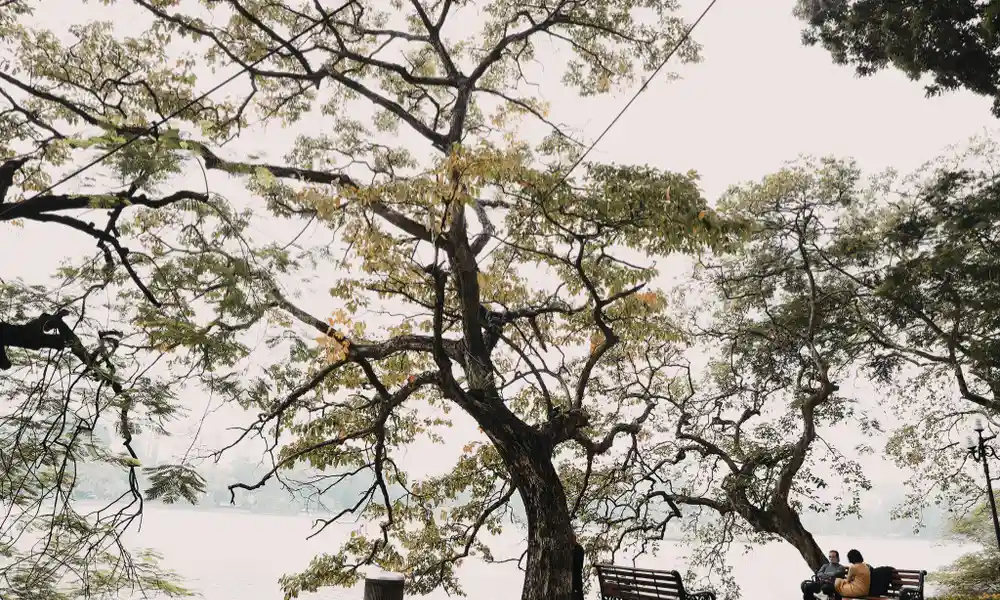
The Vietnam climate in January brings a mix of gray skies and gentle sunlight, perfect for those who enjoy peaceful walks and cozy local cafés. Travelers visiting the North during this time should pack warm clothing — coats, scarves, and gloves — especially when heading to the mountains. Despite the cold, winter has its own beauty: it’s when street vendors serve steaming bowls of pho and cups of hot tea that warm both body and soul.

This season also reveals a different side of Vietnam: simple, authentic, and deeply cultural. For many visitors, winter is not just a time to see, but to feel: the quiet rhythm of daily life, the comfort of traditional food, and the warmth of local hospitality. Experiencing northern winter in Vietnam is like stepping into a calm pause between seasons, serene, memorable, and truly unique.
Central Vietnam
Stretching along the country’s narrow coastline, central Vietnam enjoys a unique climate influenced by both the northern and southern regions. The area experiences two main seasons, a dry season and a rainy season, each shaping the landscape and travel experiences in different ways. Understanding these seasonal changes helps travelers choose the best time to visit Vietnam and popular destinations such as Da Nang, Hue, and Hoi An.
Dry season
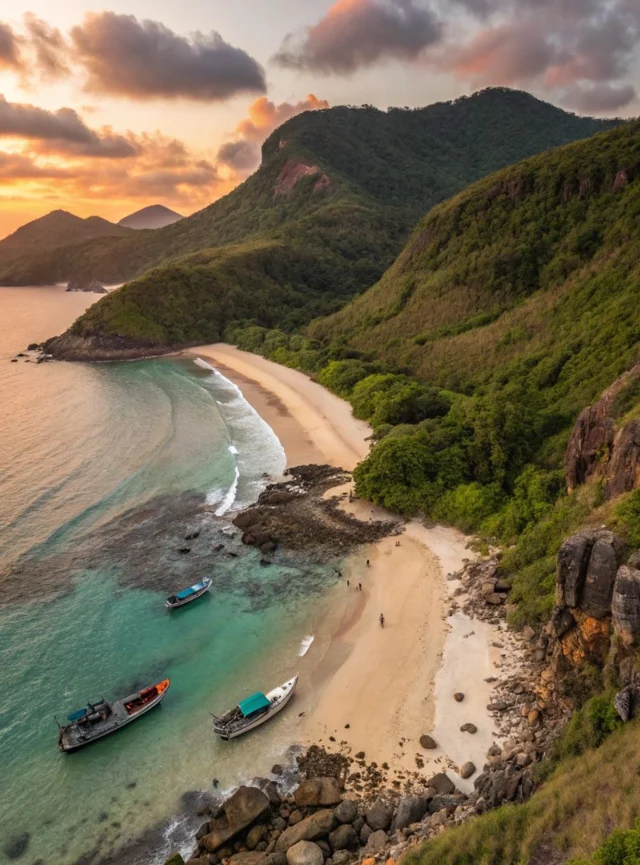
From January to August, Central Vietnam enjoys warm, sunny weather and clear blue skies. Average temperatures range from 25°C to 34°C, making it the best time for beach vacations and outdoor activities. Destinations like Da Nang, Nha Trang, and Hoi An become especially vibrant during these months, with calm seas and long, golden days perfect for swimming or exploring.
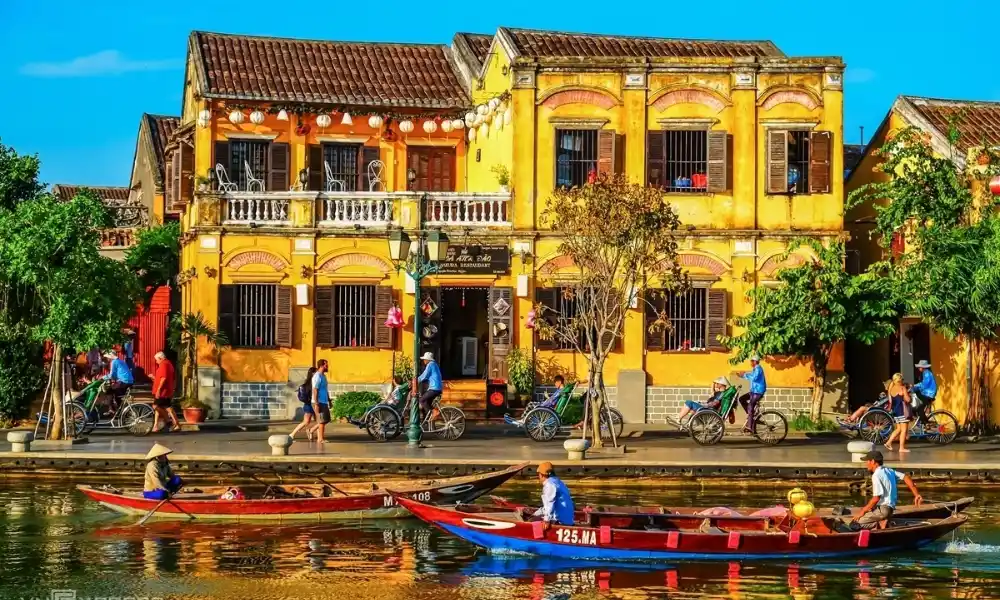
Travelers visiting Vietnam in April will find this period particularly pleasant, as humidity is moderate and the landscapes are lush and green. Hue, the ancient capital, shines under soft sunlight, offering ideal conditions to visit its imperial monuments and riverside gardens. Meanwhile, the beaches of Da Nang and Quy Nhon attract visitors seeking both relaxation and adventure.
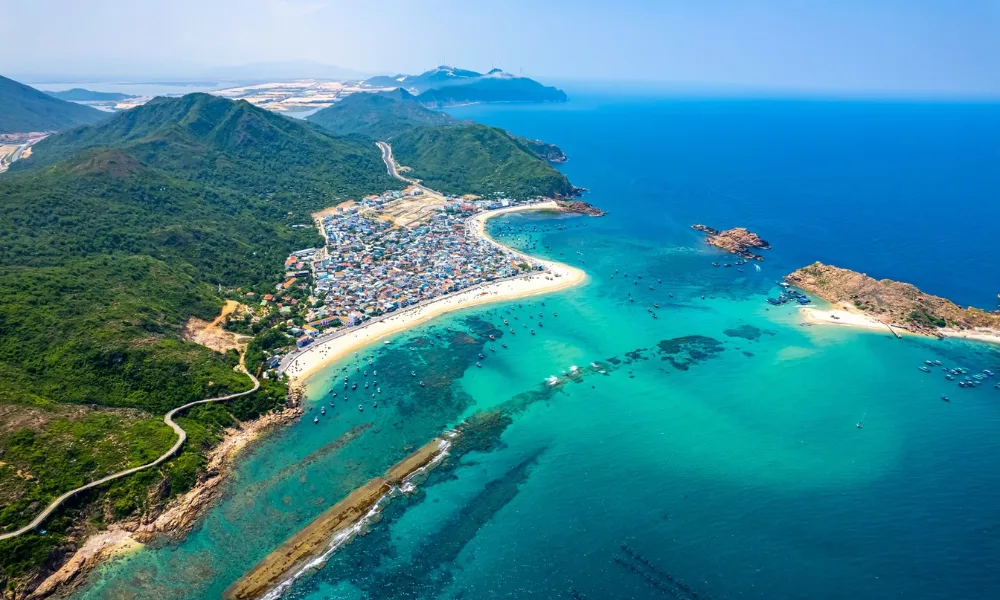
As the season progresses into summer, the temperature rises slightly, but cooling sea breezes make it comfortable. Light clothing, sunscreen, and hats are essential for daytime excursions. Despite the warmth, this period is widely known as the best time to visit Central Vietnam, when the region’s coastal beauty and cultural heritage are at their most inviting.
Rainy season
As the final months of the year approach, Central Vietnam gradually slips into its rainy season, when the skies turn silver and the rhythm of life seems to slow. Gentle drizzles mix with sudden tropical downpours, creating a landscape that feels alive and ever-changing. Temperatures settle between 22°C and 28°C, and the moist air carries the scent of rain-soaked soil and fresh greenery.
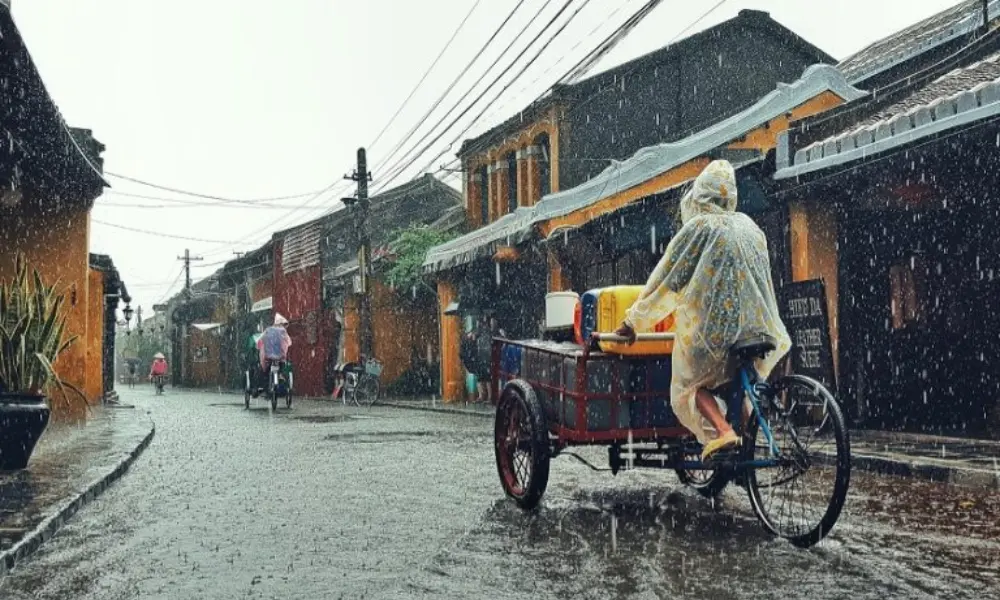
In cities like Hue and Da Nang, the afternoons often bring refreshing showers that transform the streets into shimmering mirrors. Yet, travelers should note that climate in Vietnam in October and November are the months most prone to tropical storms and typhoons, especially along the coast. Checking weather updates before planning outdoor adventures is always wise.
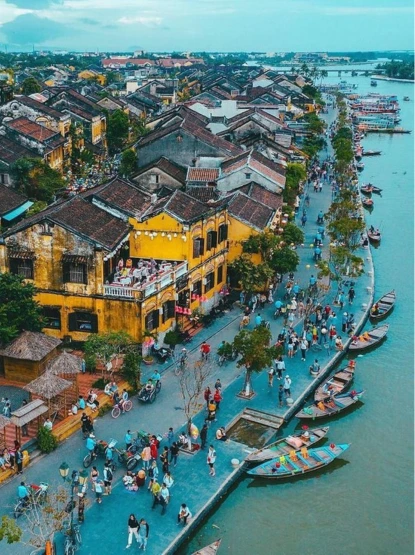
Meanwhile, Hoi An becomes a dreamlike retreat. Lanterns glow warmly against the drizzle, and the reflection of lights on the wet stone streets adds an almost magical charm. Rainy afternoons invite visitors to linger in quiet cafés, listening to the soothing rhythm of the rain while savoring a cup of Vietnamese coffee. Though it may not be the best time for beach lovers, the rainy season in Central Vietnam reveals another side of the region, peaceful, soulful, and deeply poetic.
Southern Vietnam
Lying closer to the equator, Southern Vietnam enjoys a tropical climate that stays warm throughout the year. Instead of four distinct seasons, this region has only two, the dry season and the rainy season, each bringing its own character and beauty. With stable temperatures and a lively atmosphere, it’s a destination where travelers can find sunshine, lush landscapes, and vibrant city life at almost any time of the year.
Dry season
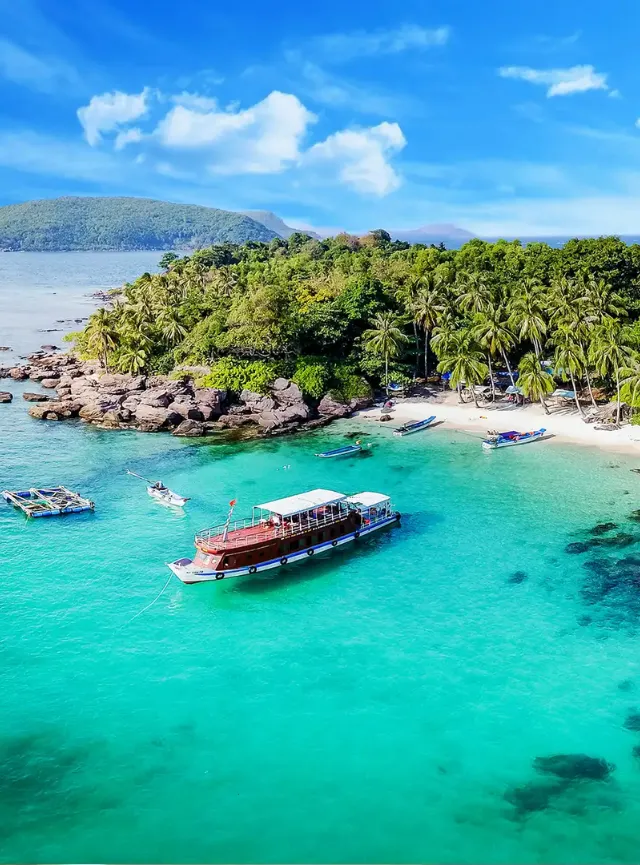
When the dry season arrives, Southern Vietnam basks in golden sunlight and blue skies stretching endlessly above. Temperatures typically range from 27°C to 35°C, and humidity levels drop, creating ideal conditions for outdoor exploration. This is the most popular time to visit destinations like Ho Chi Minh City, Mekong Delta, and Phu Quoc Island, where travelers can fully enjoy river cruises, island tours, and bustling local markets.
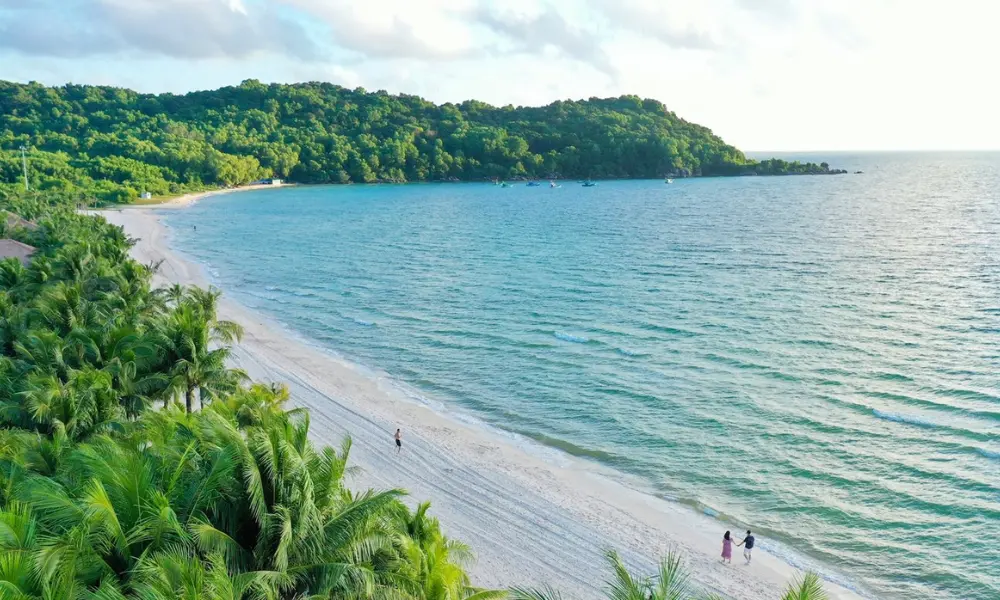
Visiting Vietnam in January and February is especially pleasant in the south, with cooler mornings and evenings that make sightseeing more comfortable. March and April bring slightly warmer days, yet the bright sunshine enhances the color of tropical flowers and the sparkling water of the Mekong’s canals. Light, breathable clothing, hats, and sunscreen are essential for staying comfortable under the tropical heat.
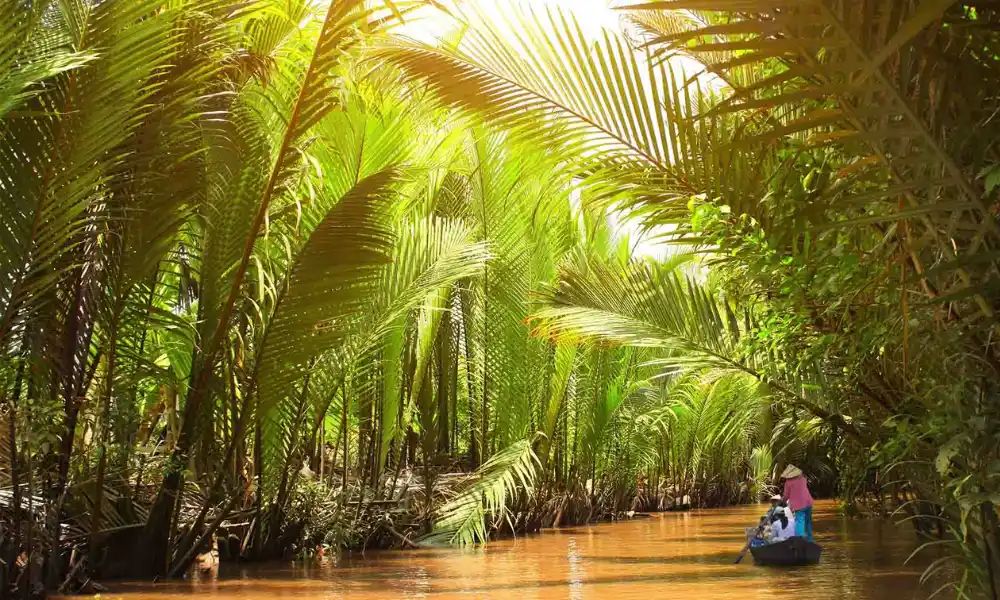
During this period, the region celebrates many cultural festivals, adding a lively touch to the travel experience. From Tet celebrations to local flower markets and outdoor events, there’s always something to enjoy. For those seeking the perfect balance of adventure and relaxation, the dry season in Southern Vietnam offers some of the best time to visit Vietnam.
Rainy season
With the arrival of May, the first rains begin to fall, gently announcing the start of Southern Vietnam’s rainy season. Though rain showers can be intense, they rarely last long and are often followed by bright sunshine and clear skies. The landscape becomes lush and vividly green, while rivers swell and rice fields shimmer under the rain, a true feast for the eyes.
Temperatures stay warm, between 25°C and 32°C, and the air feels fresh after each rainfall. Visiting Vietnam in June or July reveals this beautiful contrast of wet and sunlit scenes, especially in rural areas of the Mekong Delta, where life follows the rhythm of the rain. Travelers visiting during this period should pack light raincoats, quick-dry shoes, and waterproof bags to stay comfortable while exploring.
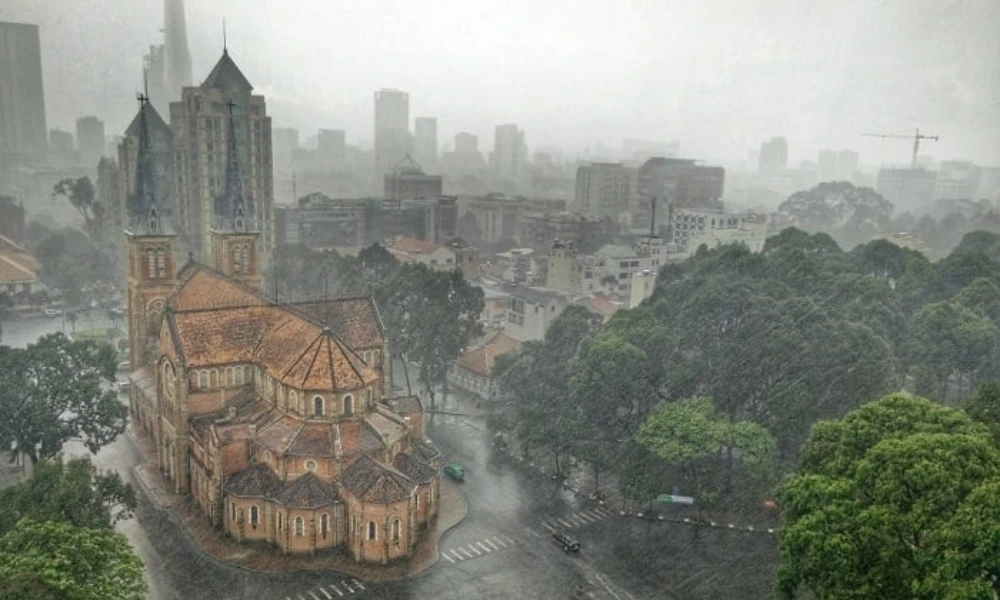
Visiting Vietnam in August through October may bring heavier rains, but also fewer tourists, making it a peaceful time for those who prefer quiet journeys. By late November, the skies begin to clear again, marking the gentle transition back to the dry season. Though it’s often overlooked, the rainy season in Southern Vietnam offers an authentic and vibrant experience, full of renewal, warmth, and tropical charm.
When is the best time to visit Vietnam?
The best time to visit in Vietnam depends on what kind of journey you seek. With its diverse geography stretching from north to south, the country experiences a variety of climates at the same time. Whether you prefer cool mountain air, sunny beaches, or vibrant cultural festivals, Vietnam offers something beautiful in every season.
Exploring nature and landscapes
Nature lovers will find breathtaking scenery year-round, though certain months bring out the best of each region. From February to April, the north dazzles with blooming flowers and misty mountain views in Sapa and Ha Giang. Visiting Vietnam in May and June makes Central Vietnam ideal for beach escapes, with clear blue waters in Da Nang, Nha Trang, and Quy Nhon.
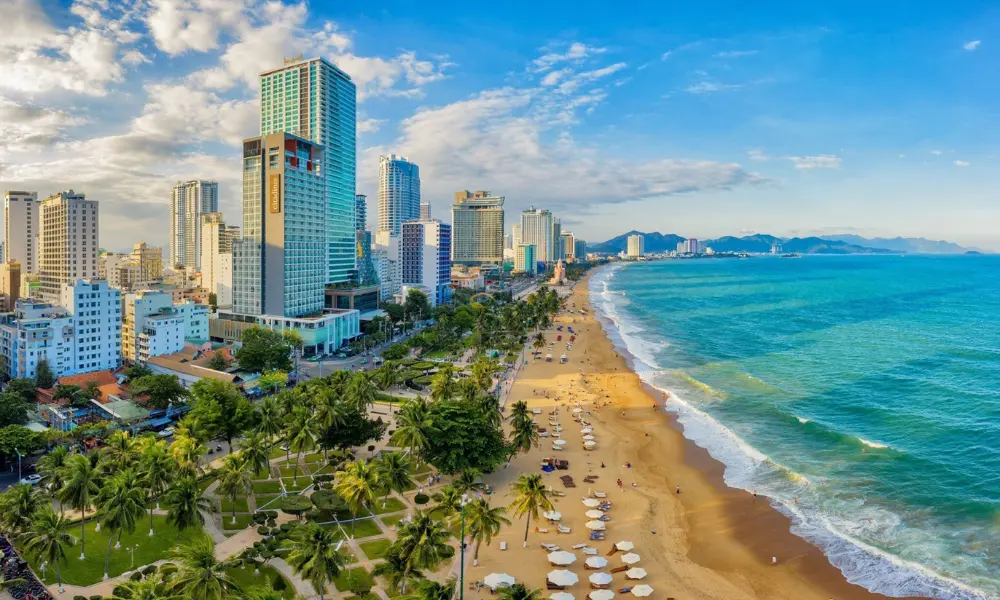
Meanwhile, the Mekong Delta comes alive during the rainy months of July to September, when waterways and rice fields reach their lushest green. In the fall, September to November, northern landscapes glow with golden terraced fields ready for harvest. Each season paints a new picture of Vietnam’s natural beauty, ensuring every traveler can find their perfect view.
Cultural experiences and festivals
Vietnam’s cultural life follows the rhythm of its seasons, offering unique festivals and traditions all year long. February allows travelers to witness Tet, the Lunar New Year celebration filled with flowers, family gatherings, and joyful energy. Springtime also brings numerous temple festivals across the Red River Delta and northern provinces.
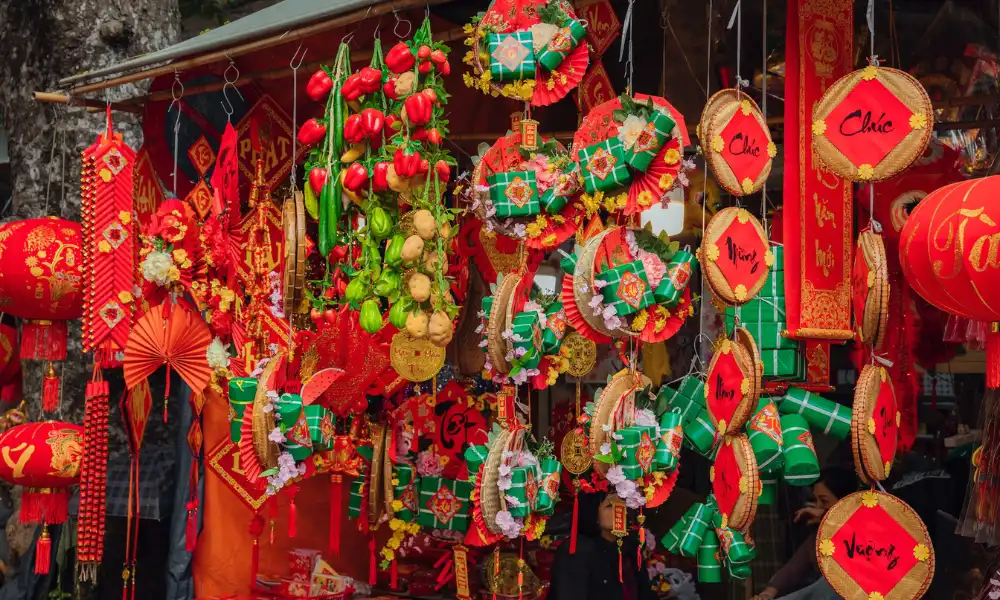
In Central Vietnam, colorful processions and lantern festivals light up the historic streets of Hue and Hoi An during summer. The Mid-Autumn Festival, usually held in September, enchants visitors with mooncakes, lion dances, and glowing lanterns. For those eager to connect deeply with local life, each celebration opens a window into Vietnam’s soul and timeless traditions.
Peaceful travel and the low season
While peak travel months offer excitement and color, the low season presents a gentler, quieter side of Vietnam. Between May and visiting Vietnam in October, especially in Central and Southern regions, travelers can enjoy fewer crowds and more affordable accommodations. Gentle rains refresh the air, while lush scenery adds a touch of tranquility to the journey.
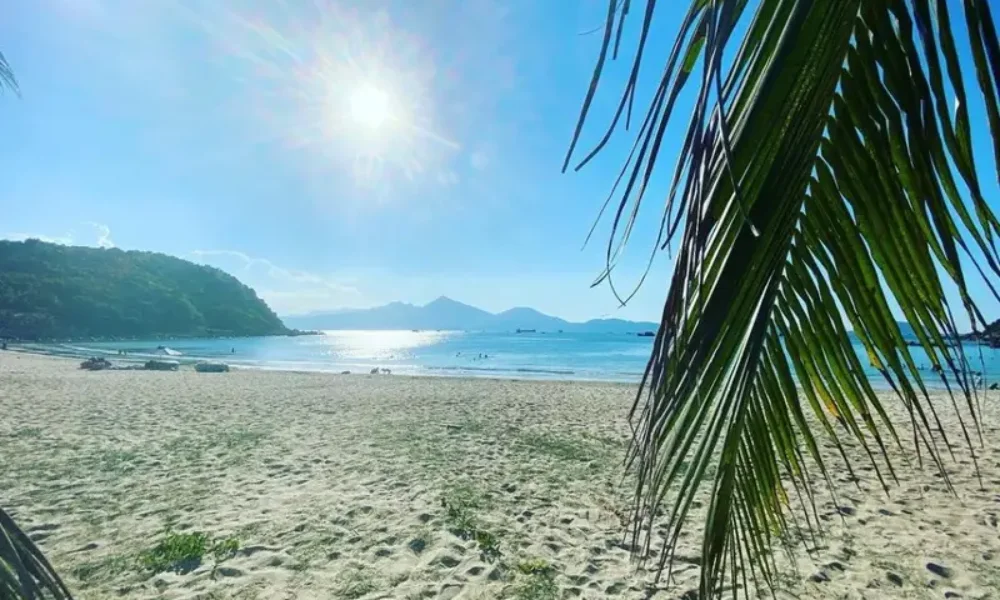
This is the perfect time for slow travelers, photographers, or anyone seeking authentic encounters with locals. Wandering through Hanoi’s Old Quarter or floating down a calm canal in the Mekong Delta feels more intimate without the usual tourist bustle. The low season may surprise visitors with its peaceful rhythm and unfiltered beauty.
Complete journey across Vietnam
For travelers dreaming of experiencing the whole country, there is no single “best month” — only the best time for traveling to Vietnam for your personal interests. Spring and autumn are generally ideal, with pleasant weather from north to south. These periods make long journeys easier, allowing you to explore mountains, beaches, and cities comfortably.
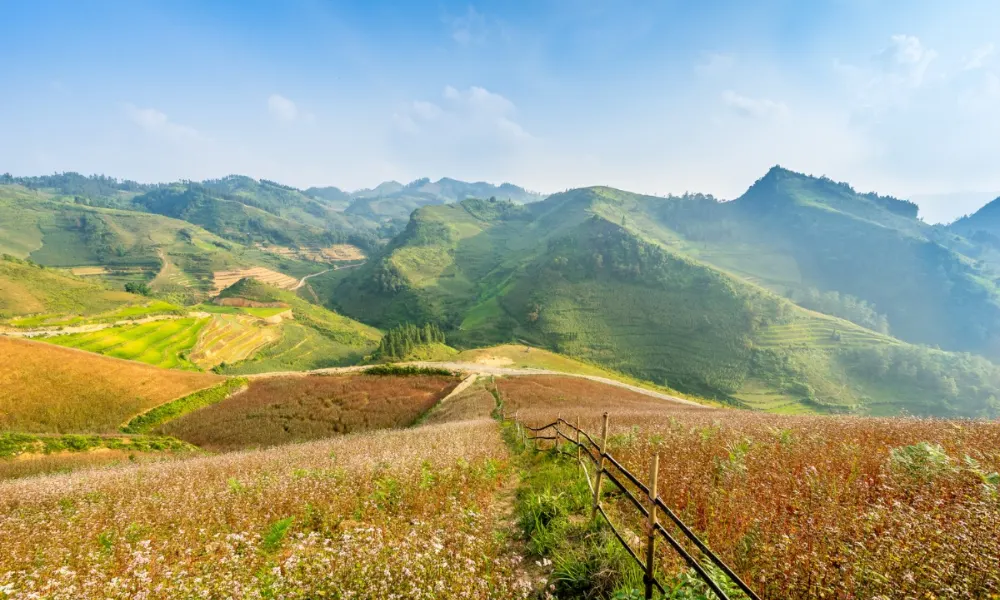
Start in the north to enjoy cool, misty mornings, then move down to the sunny coastlines of Central Vietnam. Continue southward to embrace the warm breezes and tropical landscapes of the Mekong Delta. Traveling across Vietnam in these balanced months means you’ll experience the country’s full diversity: nature, culture, and daily life all at their most welcoming.
No matter when you choose to come, Vietnam always greets travelers with open arms, vibrant colors, and heartfelt smiles. Each season tells a different story — from the misty mountains of the north to the golden beaches of the south. With the guidance of Avex Vietnam Travel, you’ll easily discover the best time to visit Vietnam that matches your dreams and travel style, turning every journey into an unforgettable memory.