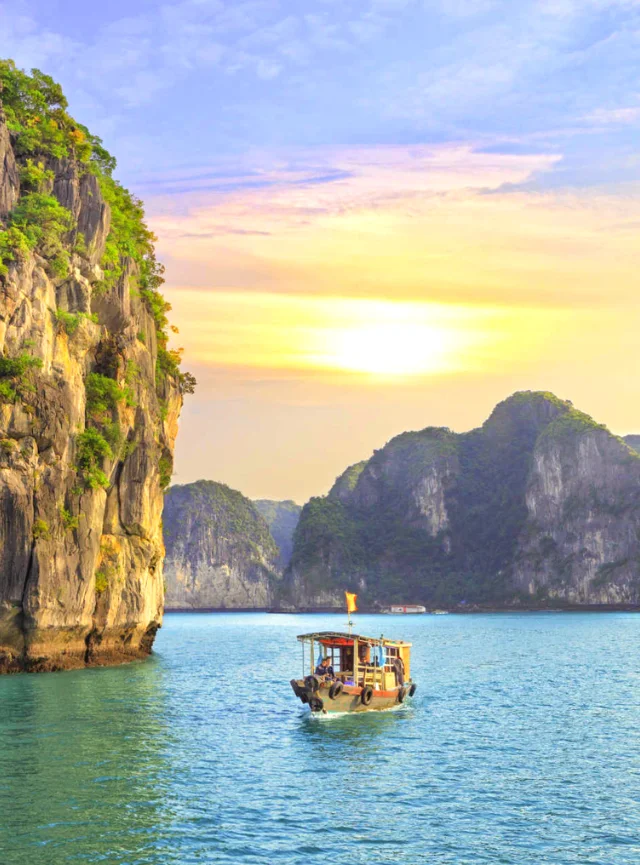
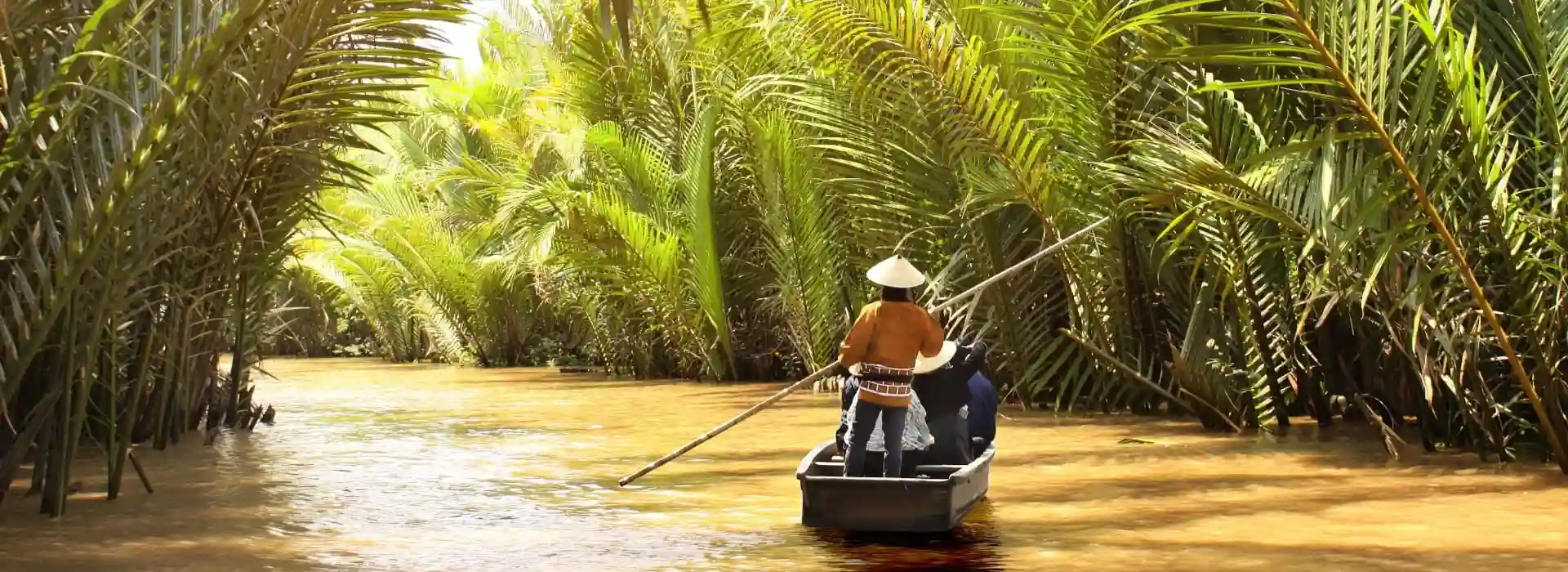
In recent years, the Mekong Delta has gradually strengthened its position as one of Vietnam’s most important tourist regions. Thanks to its abundant natural resources, extensive network of rivers and canals, unique culture, and distinctive rural life in orchard areas, the region is currently focusing on developing ecotourism, community-based tourism, cultural and spiritual tourism, resort tourism, and agricultural experience tourism.
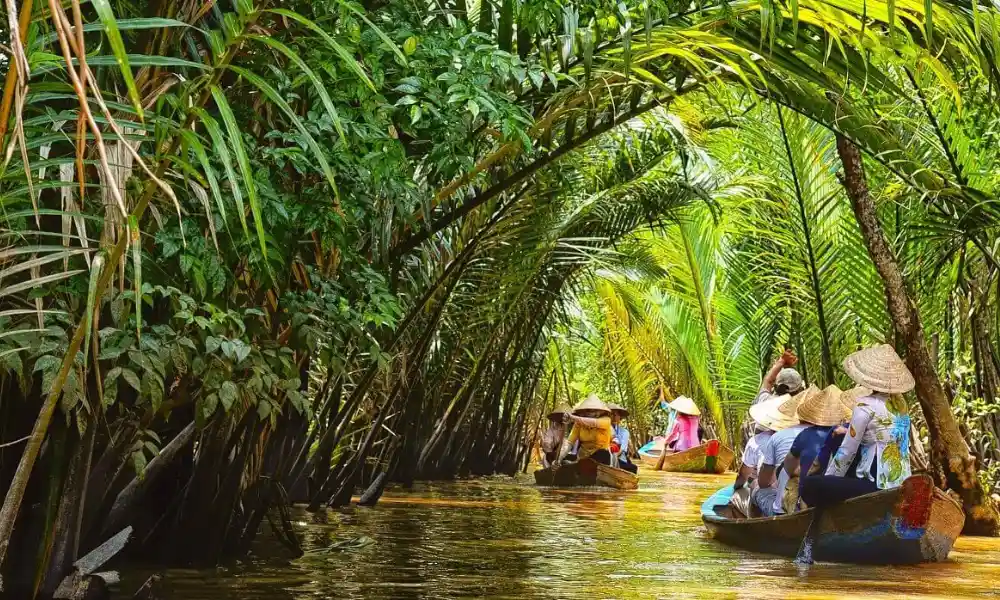
According to new development plans, many localities in the region are concentrating on creating unique tourism products to attract both domestic and international visitors.
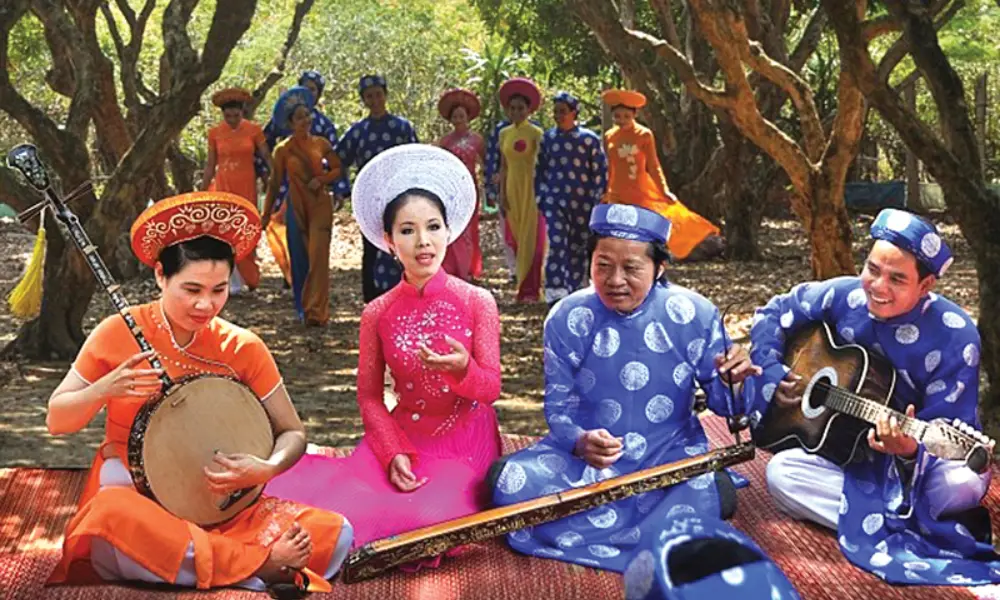
The city of Can Tho continues to play the role of the tourism center of the entire region thanks to its strengths in river and urban tourism. The Cai Rang floating market, boat trips along the Hau River, traditional cake-making experiences, and performances of “đờn ca tài tử” — traditional southern Vietnamese folk music — are among the most outstanding activities attracting numerous foreign tourists.
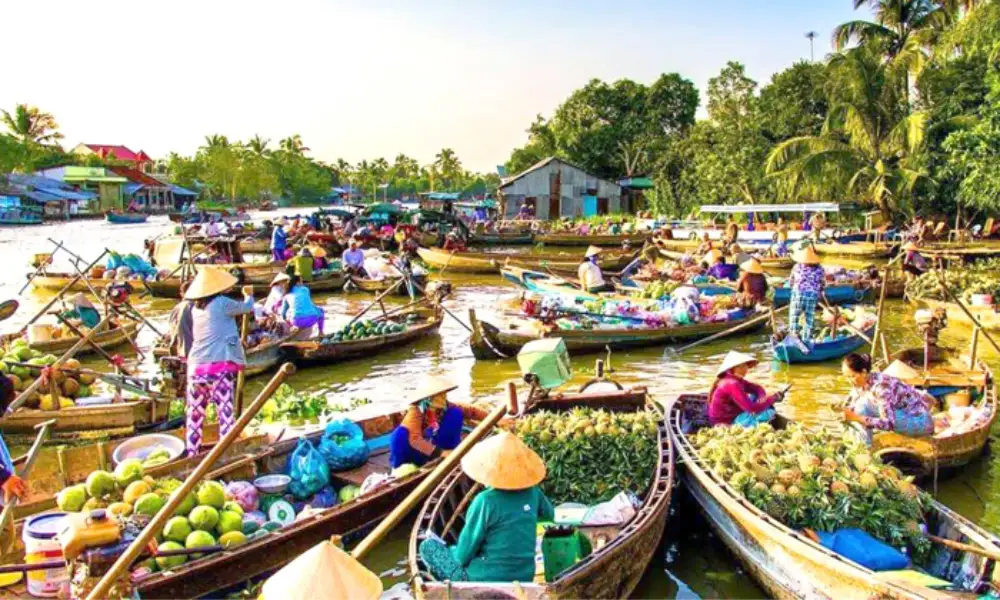
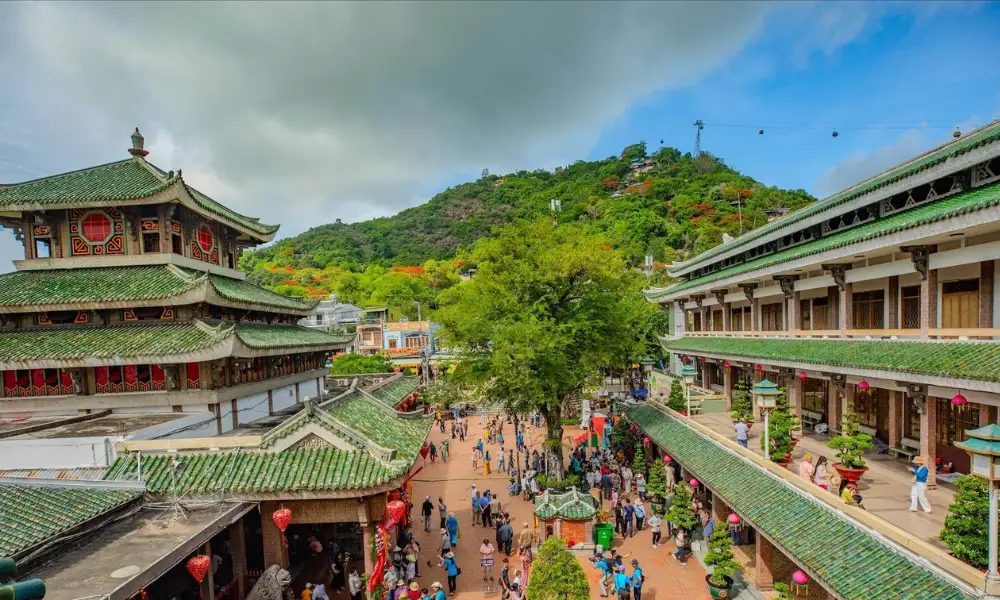
In An Giang Province, spiritual and ecological tourism is being promoted through famous destinations such as Sam Mountain, the Ba Chua Xu Temple, and the Tra Su cajuput forest. Visitors can join boat tours, observe wild birds, experience life in border areas, and participate in culturally rich traditional festivals.
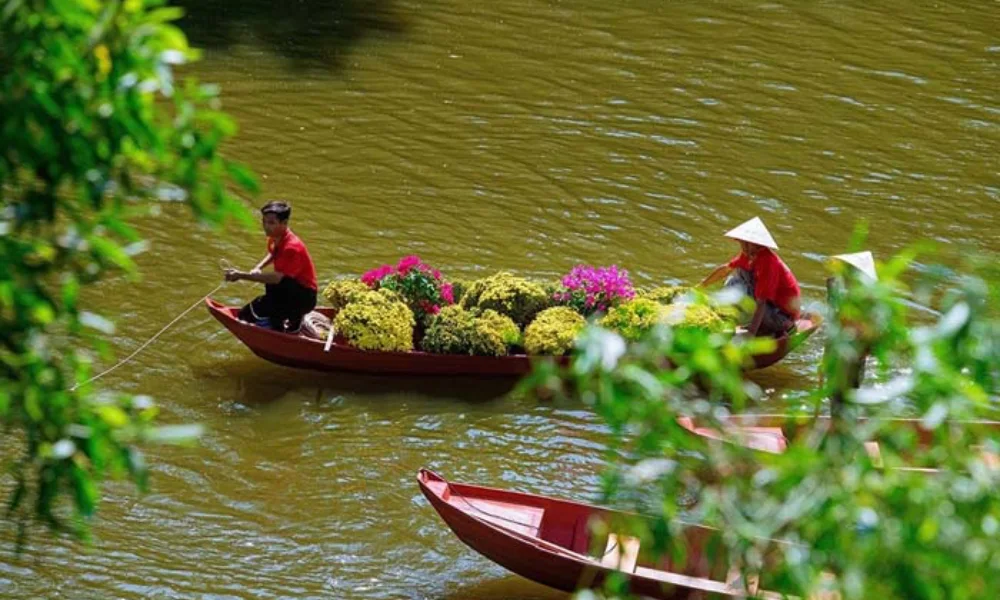
Meanwhile, Dong Thap is promoting ecotourism associated with the image of the “Pink Lotus Land.” Activities such as visiting lotus fields, experiencing agricultural life, tasting local cuisine, and discovering traditional craft villages are becoming increasingly popular among tourists.
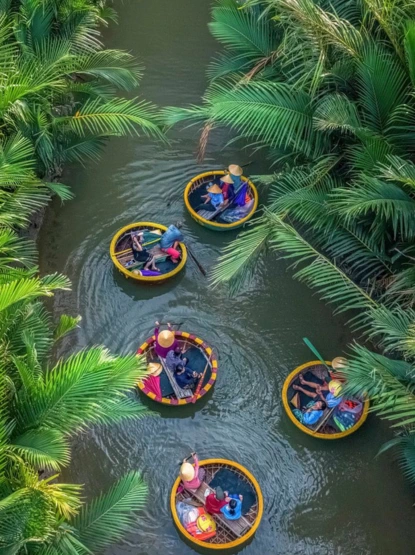
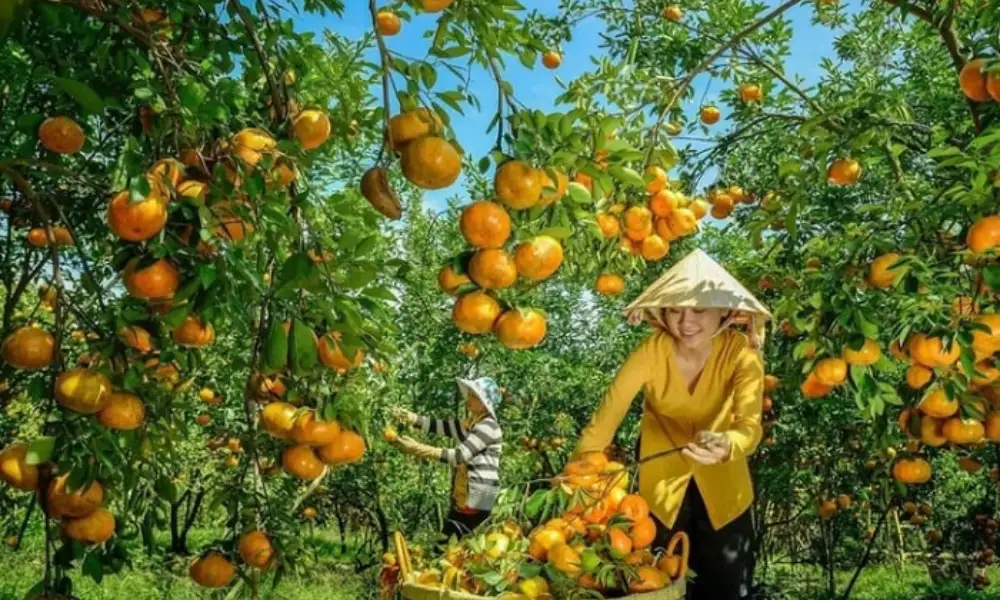
Vinh Long stands out for rural tourism and family-style homestay accommodations. Visitors have the opportunity to explore fruit orchards, harvest agricultural products, travel through small canals, and closely experience the daily life of local residents in the Delta.
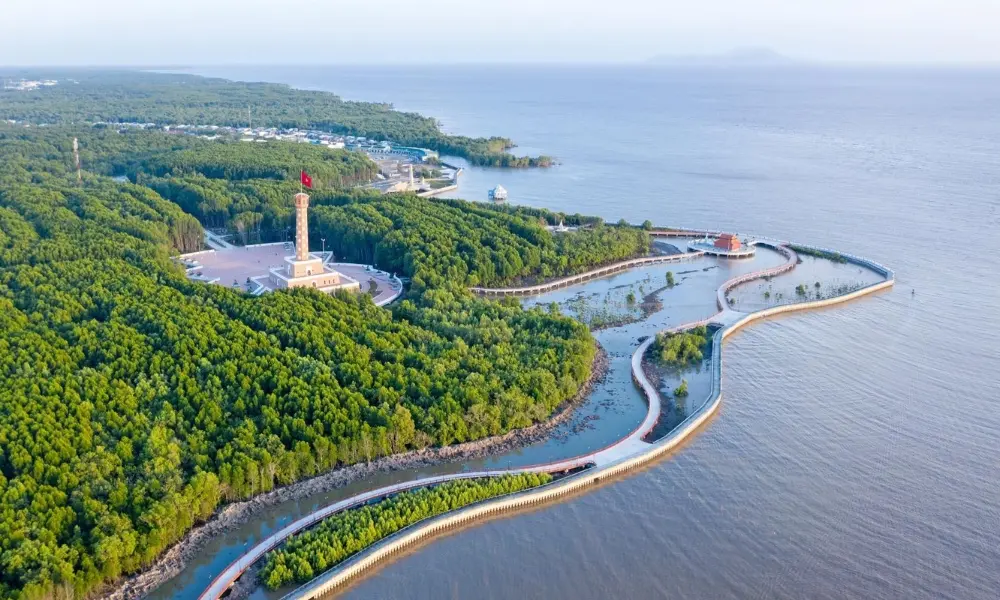
At the southernmost point of the country, Ca Mau is focusing on marine tourism and mangrove ecotourism. Among the most attractive activities are exploring Cape Ca Mau, experiencing mangrove ecosystems, fishing, crab catching, and visiting coastal nature reserves.
In addition to the various tourism types developed in each locality, the Mekong Delta is also paying special attention to creating regional and international tourism routes. River itineraries connecting floating markets, traditional craft villages, ecological reserves, and cultural heritage sites are being expanded to provide visitors with more diverse experiences.
At the same time, many provinces are prioritizing green and sustainable tourism. Eco-friendly homestay models, community-based tourism linked to the preservation of local culture, and nature-based activities are considered key strategies for strengthening the region’s tourism competitiveness.
With increasingly coordinated investments in infrastructure, regional connectivity, and tourism product innovation, the Mekong Delta is expected to become one of the most attractive destinations in Southeast Asia, contributing to the promotion of the culture and identity of southern Vietnam to international visitors.