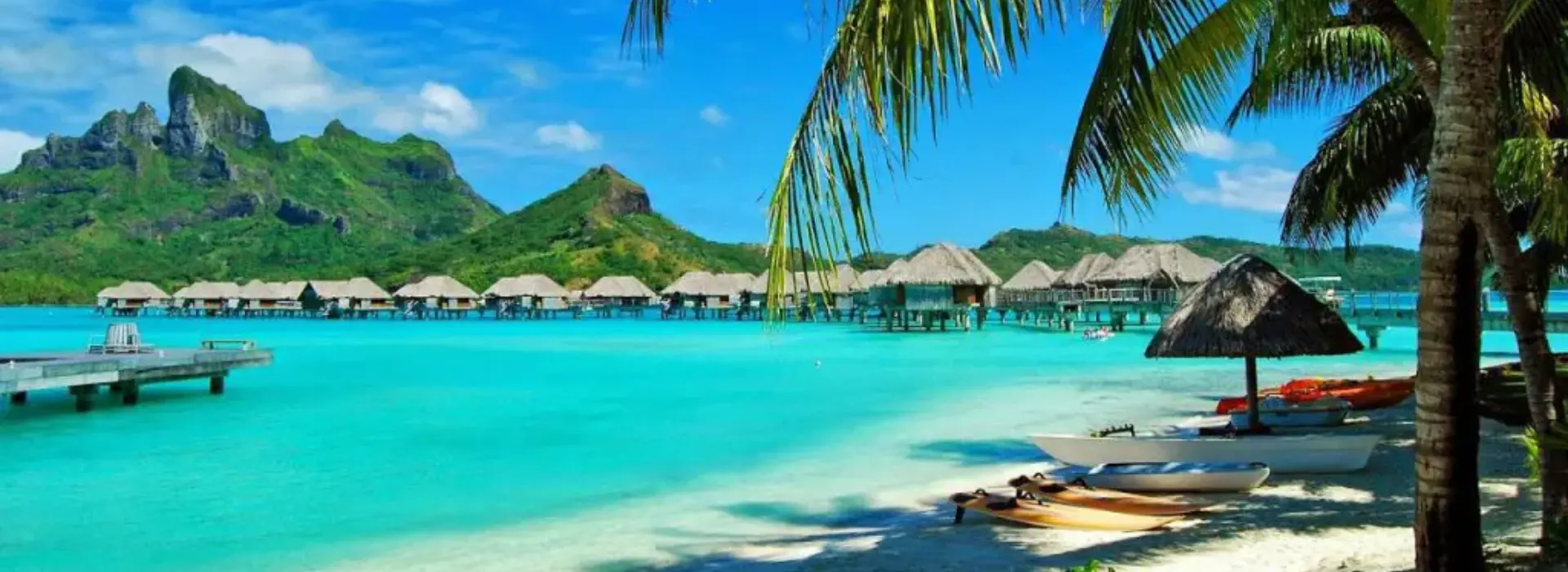
Phu Quoc, Vietnam’s largest island, is emerging as one of the fastest-growing tourist destinations in Southeast Asia and is increasingly strengthening its position on the global tourism map. According to international media and travel platforms, Phu Quoc has entered the top 5 fastest-growing destinations in the region, alongside major hubs such as Bangkok, Phuket (Thailand), Singapore, and Kuala Lumpur (Malaysia).
Why has Phu Quoc become a top destination in Southeast Asia?
Phu Quoc, known as the “pearl island” of Vietnam, belongs to Kien Giang Province and is located in the Gulf of Thailand. It is a key national tourism destination and is being developed into an international hub for tourism, resort, and service industries.
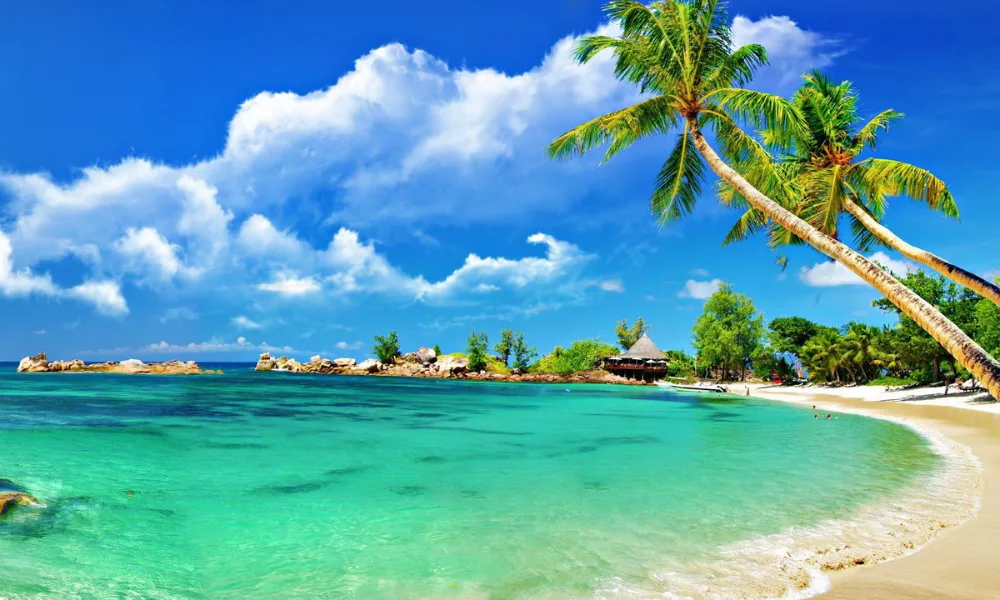
The island stands out for its extremely diverse ecosystem, combining sea, forests, and rare natural landscapes. It is home to some of the most beautiful beaches in Vietnam, such as Bai Sao and Bai Khem, famous for their white sand and crystal-clear waters.
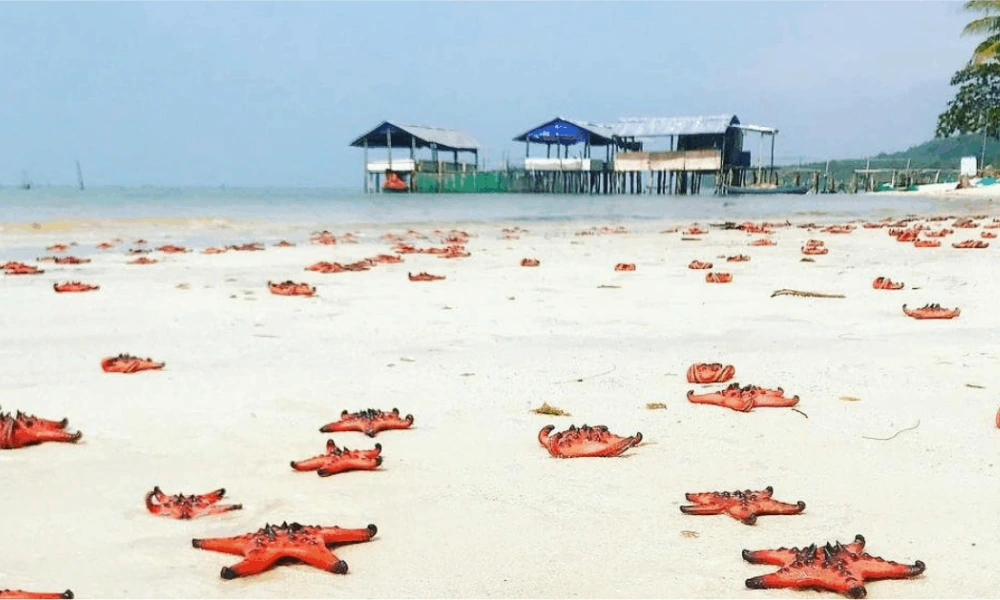
In addition, Phu Quoc has vast primary forest areas, which are part of a UNESCO-recognized biosphere reserve, adding significant ecological value to the island.
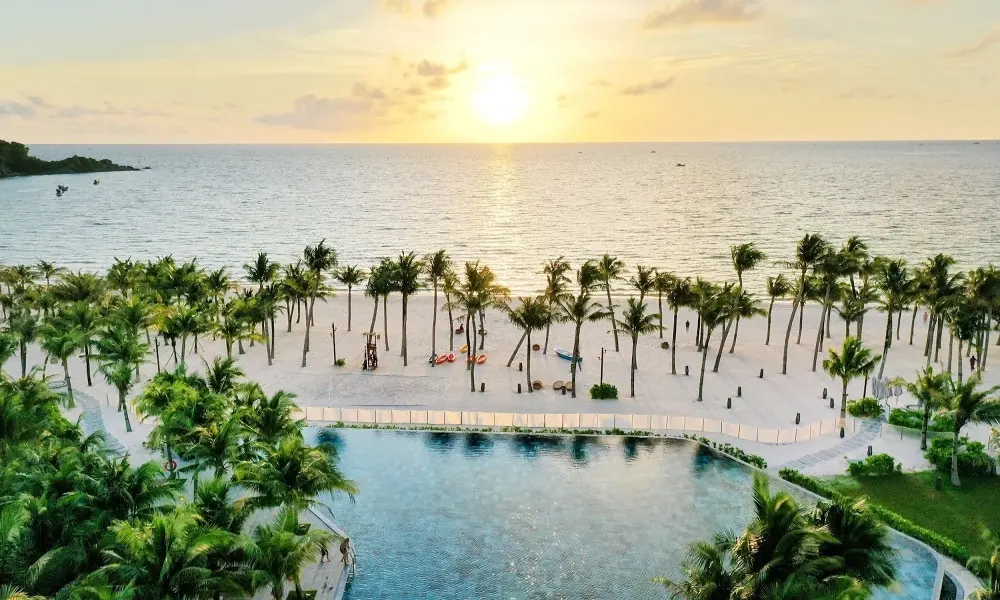
Tourism infrastructure is also developing rapidly, with numerous luxury resorts and hotels stretching along the coastline, meeting the diverse needs of international travelers. Notably, Phu Quoc International Airport provides direct connections to many countries in the region and around the world, making the island increasingly accessible.
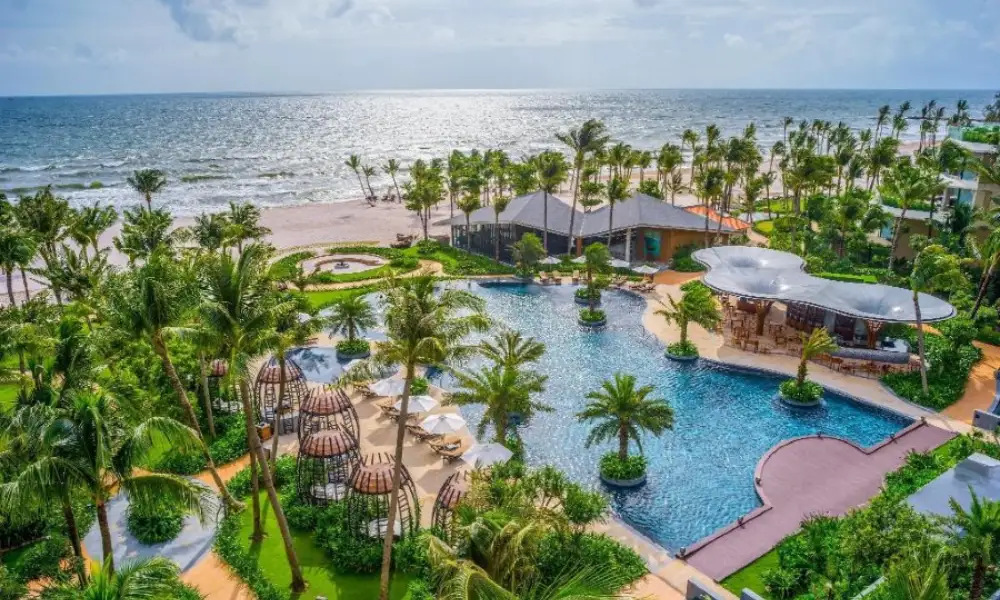
As a result, as of Q1 2026, Phu Quoc has recorded a strong increase in international arrivals, along with expanding flight routes and favorable visa exemption policies, making it a highly competitive destination in the region.
How to travel to Phu Quoc?
Currently, there are no direct flights from the United Kingdom, the United States, or other English-speaking countries to Phu Quoc. Therefore, international travelers must transit through major aviation hubs before continuing to Vietnam.
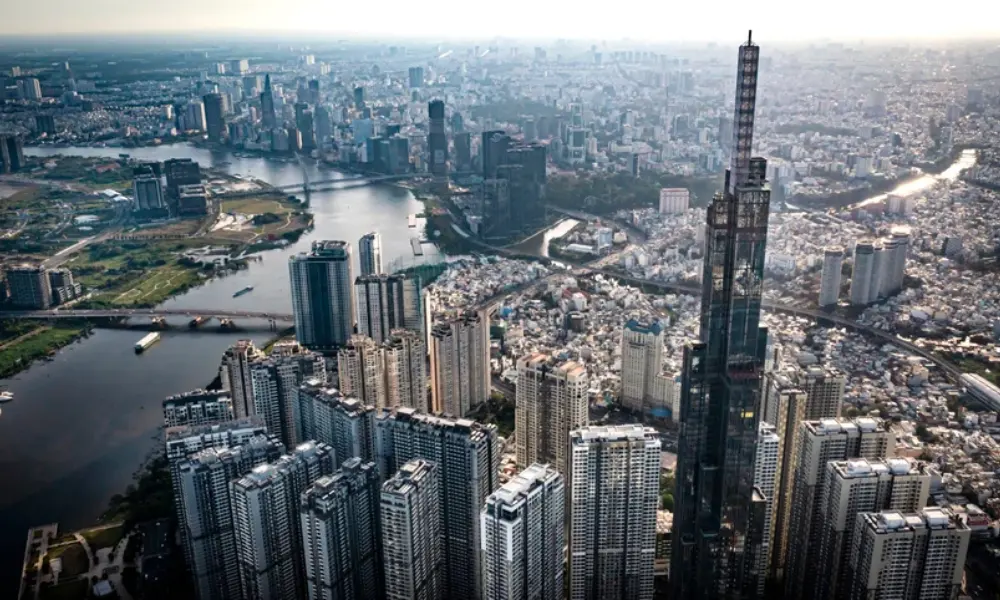
Typically, the journey involves connections through major international hubs in Europe, the Middle East, or Asia, followed by flights to Vietnam’s main cities such as Ho Chi Minh City or Hanoi. From there, travelers take a domestic flight of about one hour to reach Phu Quoc.
For travelers from the United Kingdom, common routes depart from London or Manchester, with layovers in Doha (Qatar), Dubai (UAE), Istanbul (Turkey), or European hubs such as Paris and Frankfurt. Some routes also connect through Singapore or Bangkok before arriving in Vietnam. After landing in Ho Chi Minh City or Hanoi, travelers continue with a domestic flight to Phu Quoc.
For travelers from the United States, the journey is usually longer and may include one or two layovers. Common departure cities include New York, Los Angeles, or San Francisco, with transit points such as Doha, Tokyo, Seoul, or Singapore before reaching Vietnam. Some routes also go through European hubs like London or Paris. From Ho Chi Minh City or Hanoi, travelers then take a domestic flight to Phu Quoc.
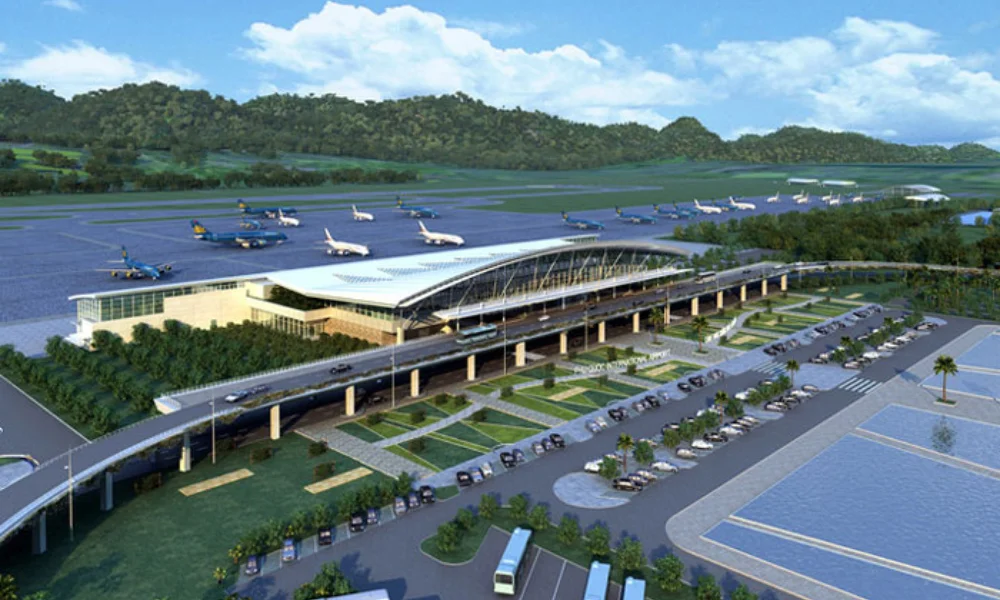
For other English-speaking countries such as Canada, Australia, New Zealand, and Singapore, travel is generally more convenient thanks to strong air connectivity with Asia. Travelers often transit through Singapore, Bangkok, Kuala Lumpur, or Middle Eastern hubs like Doha and Dubai before arriving in Vietnam, then continue with a domestic flight to Phu Quoc.
Although the journey may be long and involve multiple connections, the current international aviation network makes travel to Vietnam and Phu Quoc increasingly convenient. In particular, Vietnam’s e-visa policy also allows travelers from English-speaking countries to easily plan their trips and explore this “pearl island.”
What can tourists do in Phu Quoc?
In Phu Quoc, visitors can fully enjoy a seaside resort experience with famous beaches such as Bai Sao and Bai Kem, known for their soft white sand, crystal-clear water, and peaceful scenery. In addition, luxury beachfront resorts offer high-end accommodation experiences suitable for families, couples, or solo travelers. One of the most memorable moments in Phu Quoc is watching the sunset over the sea, when the sky turns into stunning shades of orange and red.
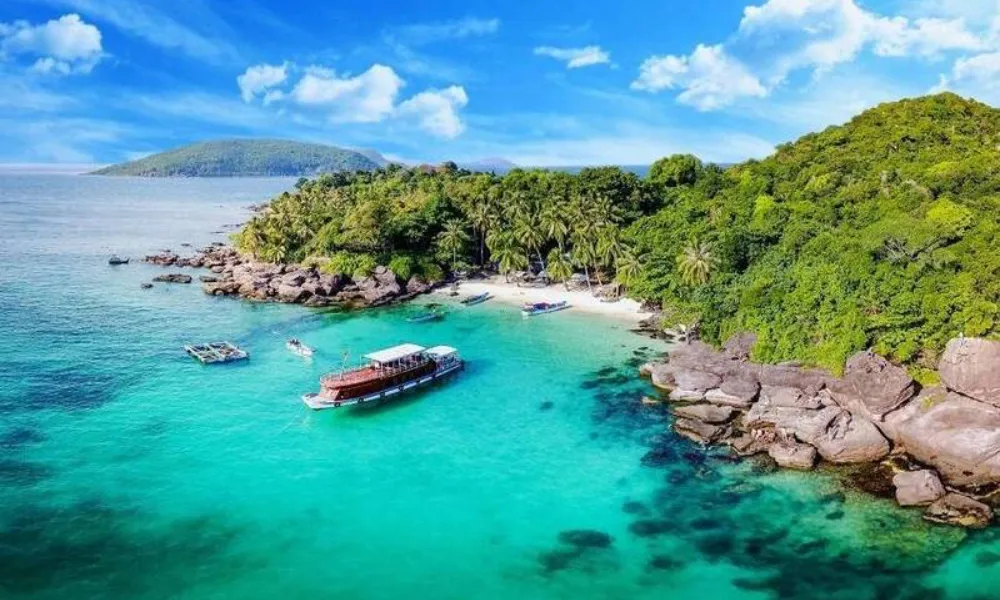
Phu Quoc is also a paradise for entertainment. Tourists can explore VinWonders Phu Quoc, a large theme park with modern attractions, or visit the semi-wild Safari experience featuring diverse wildlife. In addition, the Hon Thom Cable Car—one of the longest sea-crossing cable cars in the world—offers breathtaking panoramic views of the islands and connects to exciting attractions in the southern part of Phu Quoc.
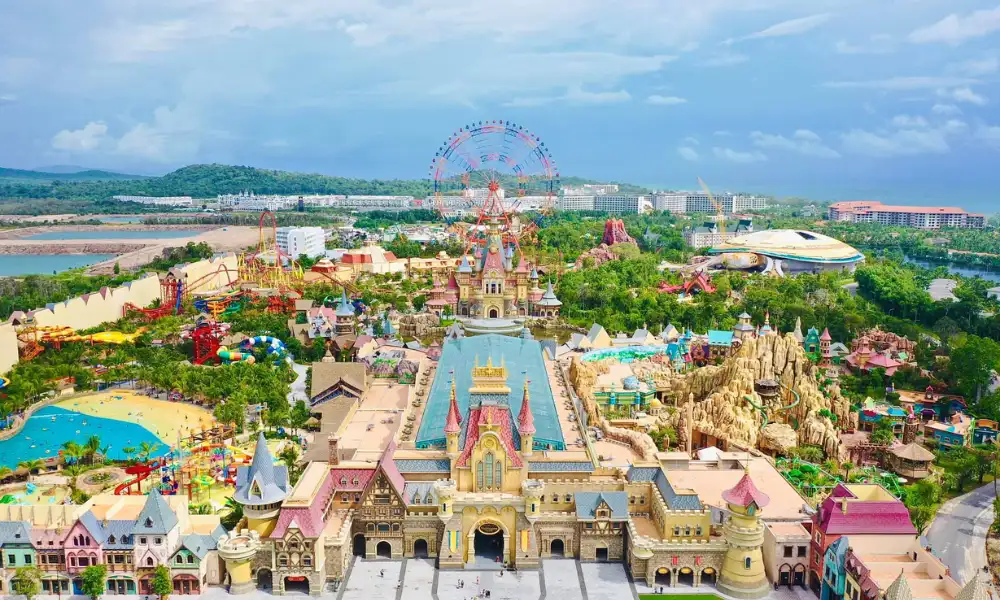
Beyond nature and entertainment, Phu Quoc also attracts visitors with its local culture and cuisine. Duong Dong Night Market is an ideal place to enjoy street food and shop for local specialties. Ham Ninh Fishing Village offers a glimpse into traditional fishermen’s life in a peaceful setting. In particular, fresh seafood and Phu Quoc fish sauce are iconic culinary specialties of the island.
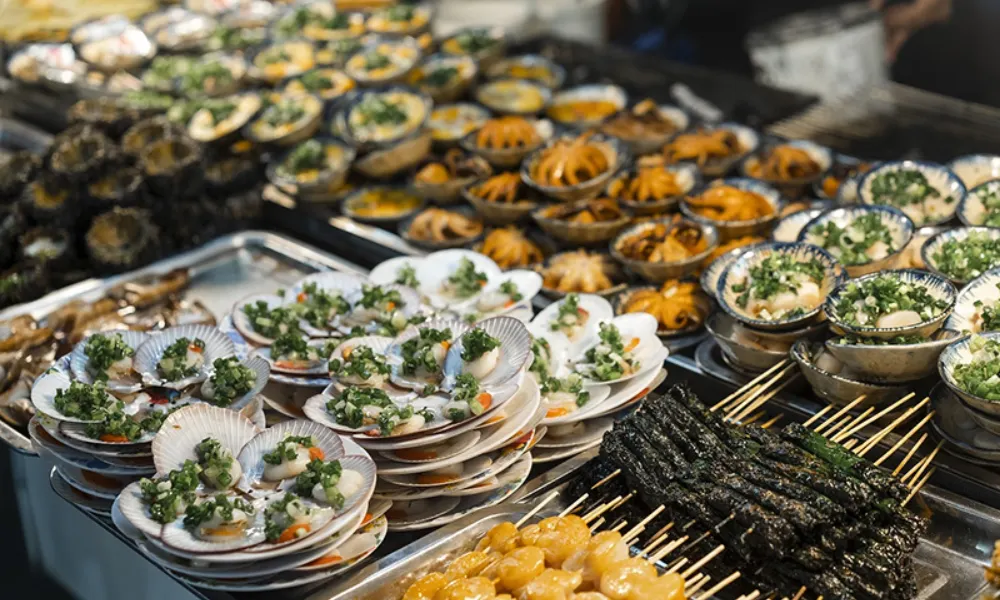
Phu Quoc is rapidly transforming from a traditional resort island into an international tourism hub. Thanks to its stunning natural beauty, diverse experiences, modern infrastructure, and impressive growth rate, it has been ranked among the fastest-growing destinations in Southeast Asia.
With increasingly convenient connectivity from Europe and English-speaking countries, Phu Quoc is not only a destination in Vietnam but is also becoming a true international “tropical paradise,” competing directly with other famous tourist destinations in the region.