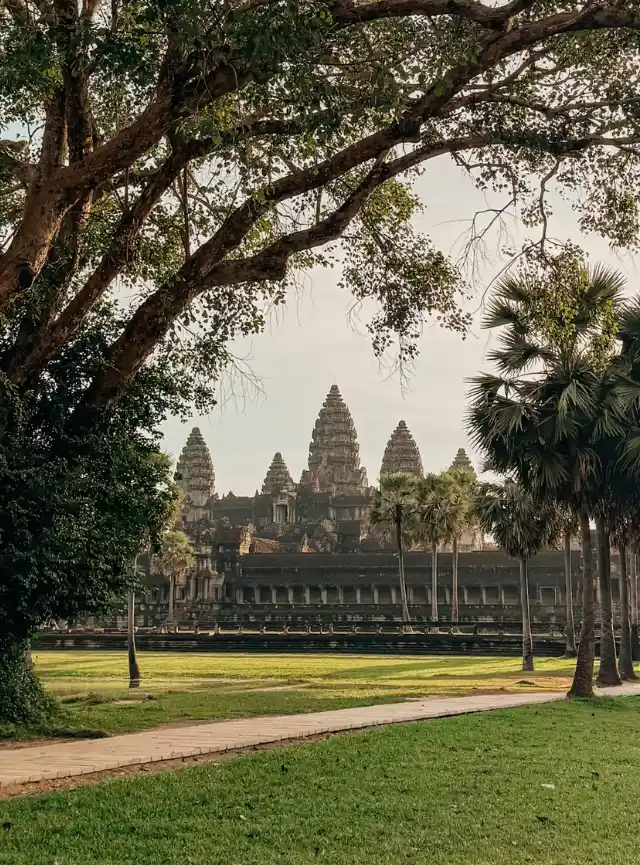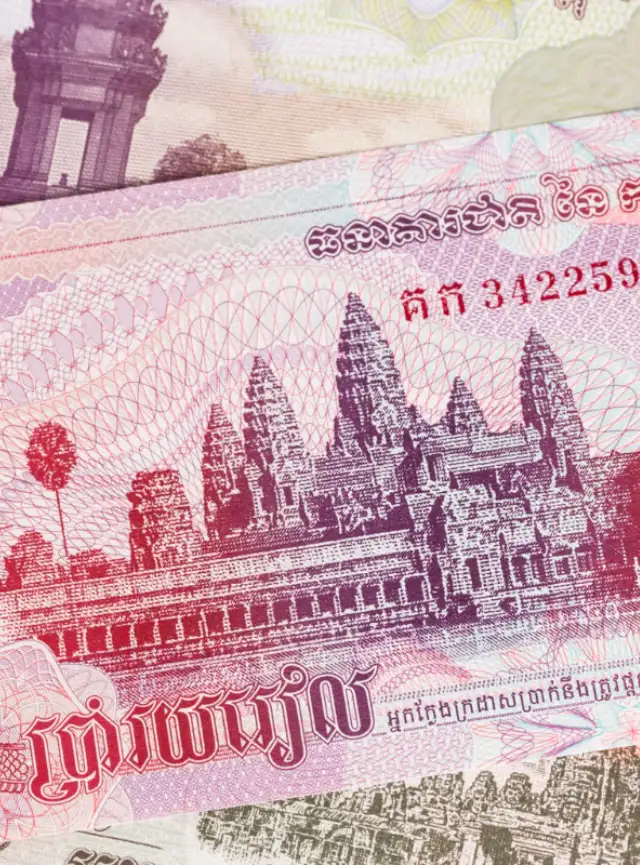
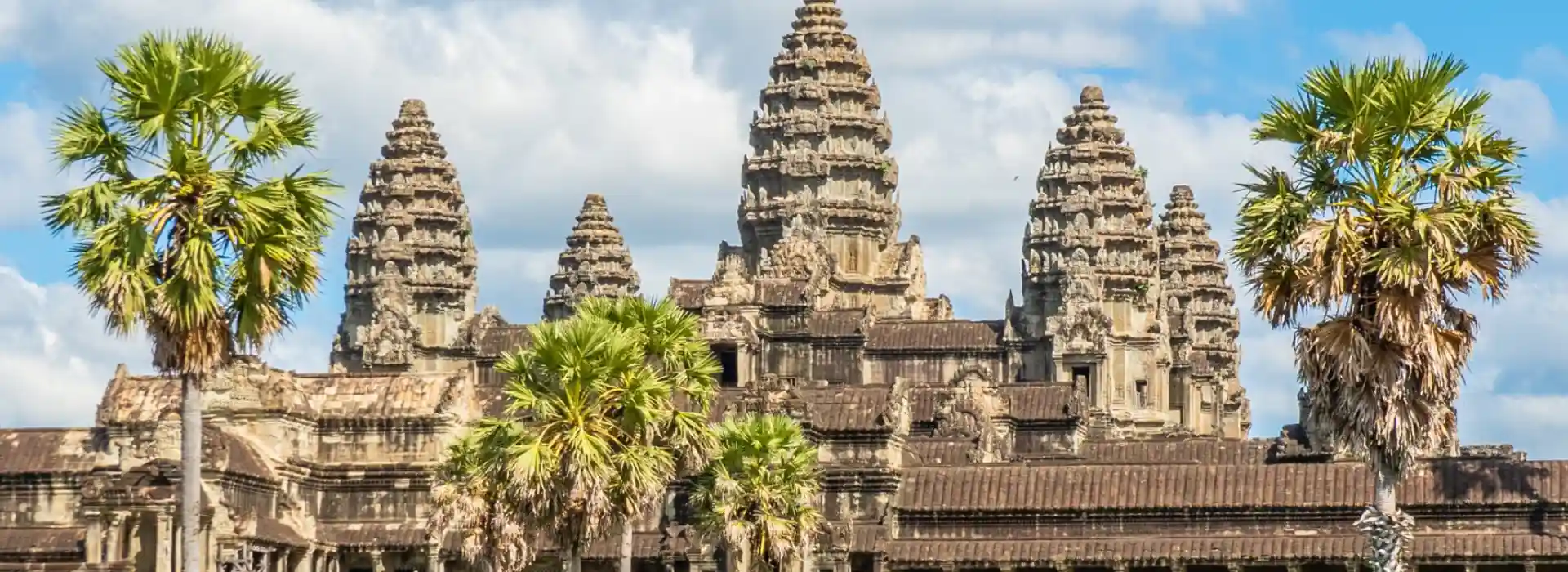
The Angkor Wat complex is one of the most impressive architectural heritage sites in Southeast Asia, renowned for its ancient charm and grand scale. Surrounded by wide moats, towering spires, and intricate stone carvings, Angkor Wat temple creates a sense of awe from the very first glance. Its harmonious and monumental design clearly reflects the prosperity of the ancient Khmer civilization.
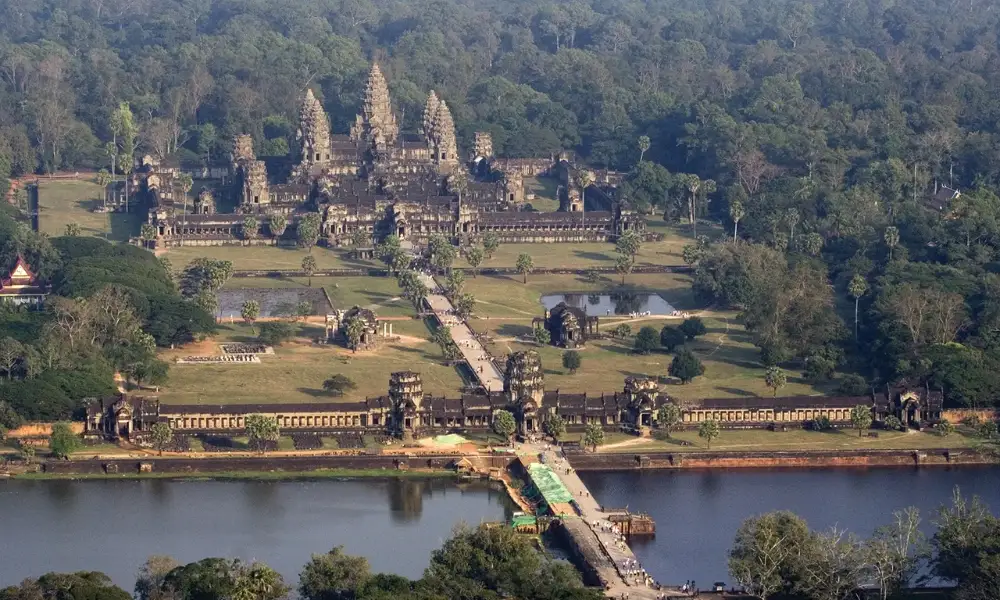
Cambodia Angkor Wat is famous not only for its architectural value but also for its deep historical and religious significance. Recognized as a UNESCO World Heritage Site, the complex has become a cultural symbol of Cambodia and attracts millions of visitors every year. For this reason, Angkor Wat is always included on the list of must-visit destinations when traveling to Cambodia.
When planning a trip to Cambodia, travelers often focus on important factors such as passports, visas, or choosing the best time to visit. However, no journey to Cambodia is truly complete without experiencing Angkor Wat, one of the best places in Cambodia. Therefore, Avex Vietnam Travel will help you explore the Angkor Wat complex in depth and accompany you on an inspiring journey to Cambodia.
Where is Angkor Wat?
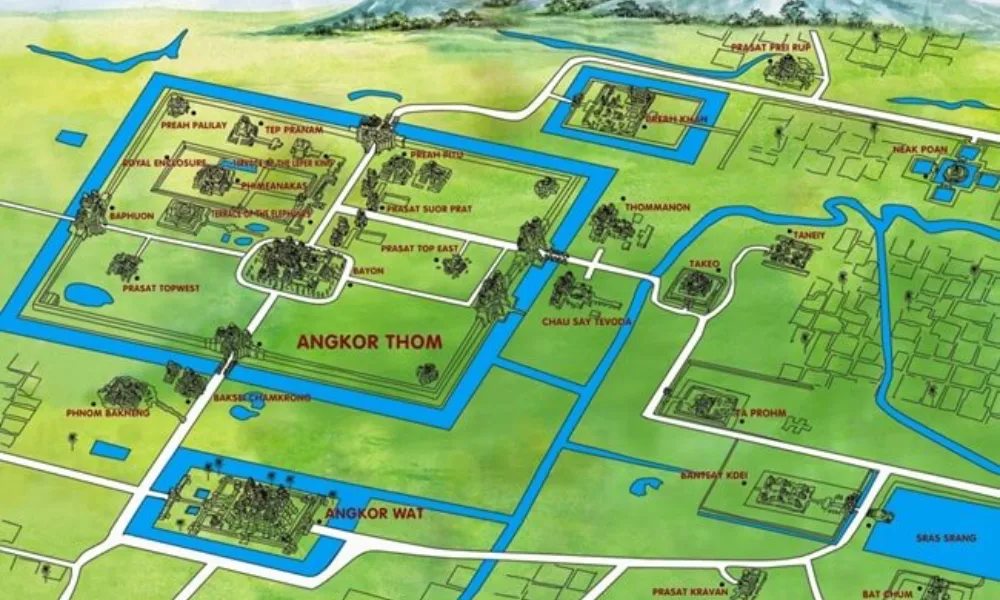
The Angkor Wat complex is located to the north of Siem Reap city, in Siem Reap Province, Cambodia. It stands at the heart of the vast Angkor Archaeological Park, which was once the capital of the ancient Khmer Empire. Thanks to its convenient location, Angkor Wat Siem Reap Cambodia is easily accessible from the city center and remains the most prominent attraction in the region.
How to get to Angkor Wat?
Visitors can easily reach Angkor Wat Cambodia from Siem Reap city center, which is about 6 kilometers away. Popular transportation options include tuk-tuks, taxis, private cars, or guided tours with transportation included. For travelers who prefer a slower pace, renting a bicycle is also an enjoyable way to reach the temple.
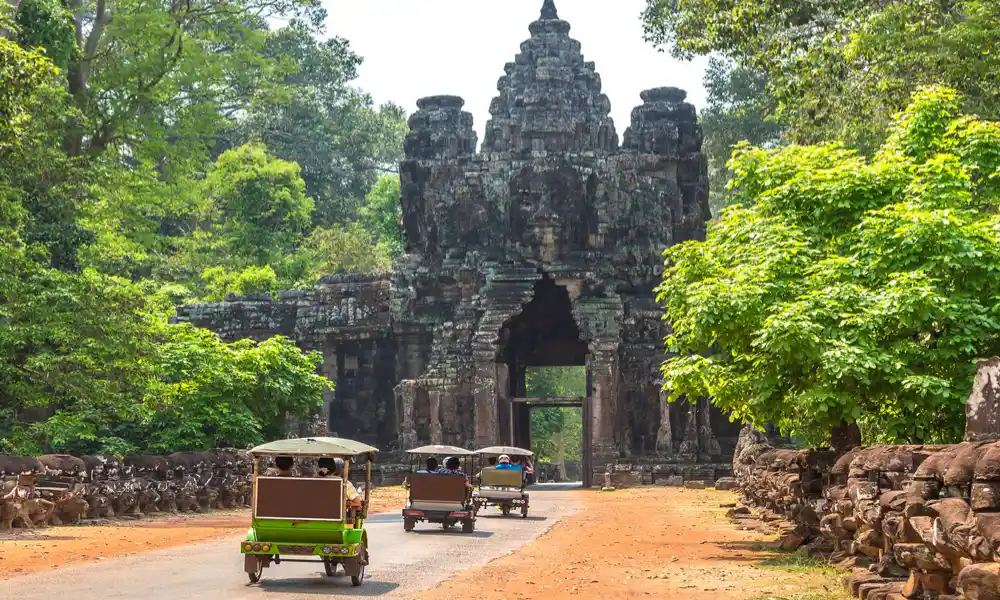
As the Angkor Wat complex covers a very large area, getting around inside the site requires proper planning. Visitors can continue to use bicycles, tuk-tuks, or electric carts to move between different temples and areas. Choosing the right mode of transportation helps save time and energy while allowing visitors to fully enjoy the experience.
Historia y estructura de Angkor Wat
The Angkor Wat complex was built in the early 12th century during the reign of King Suryavarman II, when the Khmer Empire was at its peak. Originally, Angkor Wat was a Hindu temple dedicated to the god Vishnu, and it later gradually became an important Buddhist center. Despite many historical changes, the site has preserved its remarkable beauty and cultural significance.
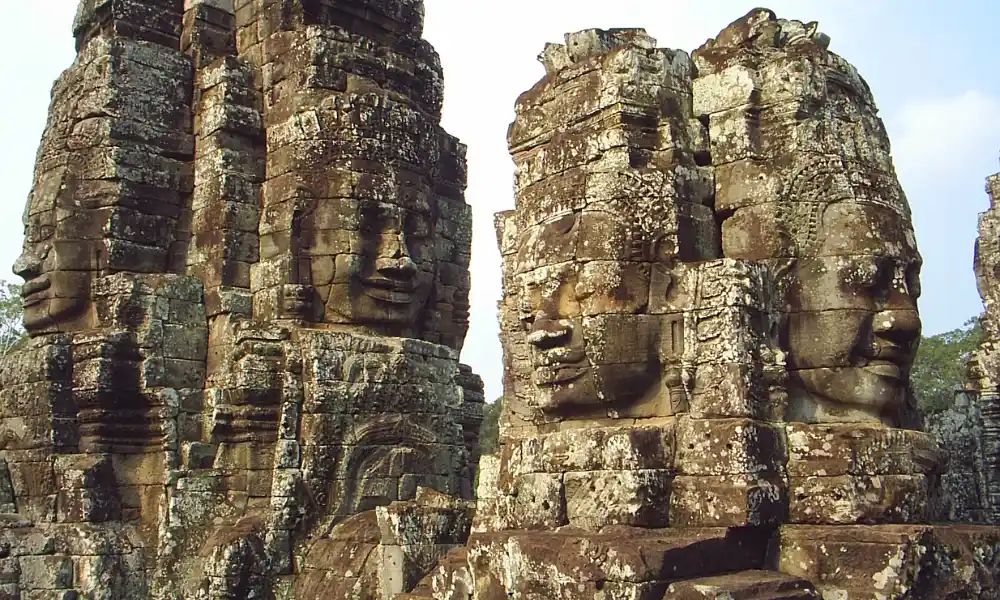
In terms of architecture, Angkor Wat temple impresses visitors with its grand scale, symmetrical layout, and surrounding moat system. The central towers symbolize Mount Meru in Hindu mythology, reflecting the deep religious beliefs of the ancient Khmer people. The intricate bas-reliefs carved along the galleries further enhance the artistic and architectural value of this extraordinary complex.
Major temples in the Angkor Wat Complex
The Angkor Wat complex includes not only the main temple but also a vast archaeological area with hundreds of structures of different sizes. Each of the Angkor Wat temples has its own unique architecture and historical story, contributing to the richness of the ancient Khmer civilization. Below, we will introduce and list the most notable Angkor Wat inside that visitors should not miss.
Angkor Wat
Firstly, Angkor Wat is the central and most important monument within the vast Angkor archaeological area in Cambodia. The temple is located in the southern part of the Angkor Wat main complex and is considered the heart of the entire site. Angkor Wat is not only an architectural masterpiece but also a powerful cultural and religious symbol of Cambodia.
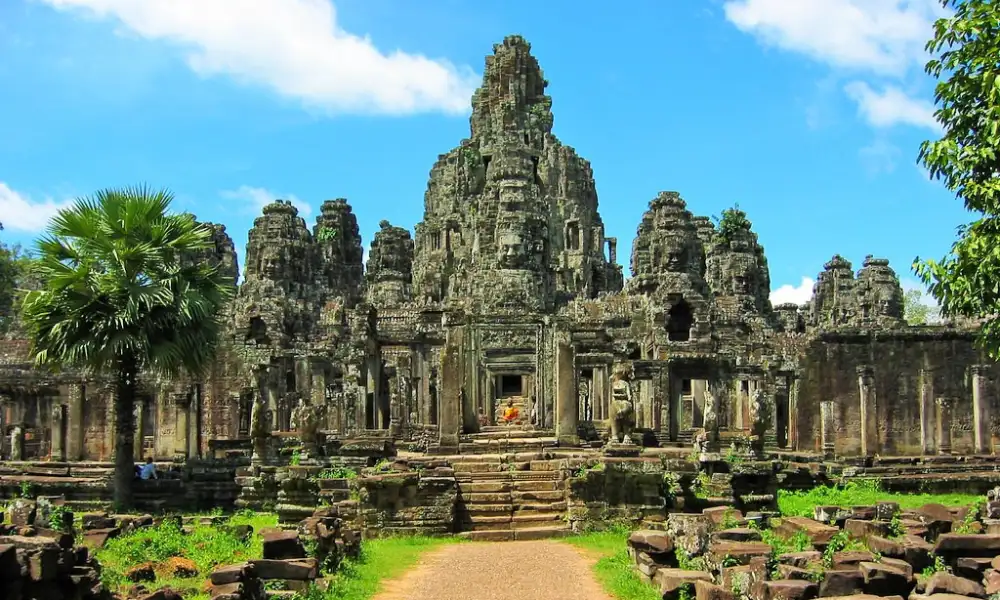
In terms of architecture, Angkor Wat stands out for its grand scale, symmetrical layout, and wide surrounding moat. Its central towers rise majestically, symbolizing Mount Meru in Hindu mythology and reflecting the deep spiritual beliefs of the ancient Khmer people. The intricate bas-reliefs carved along the galleries further enhance the artistic and historical value of this iconic temple.
Angkor Thom
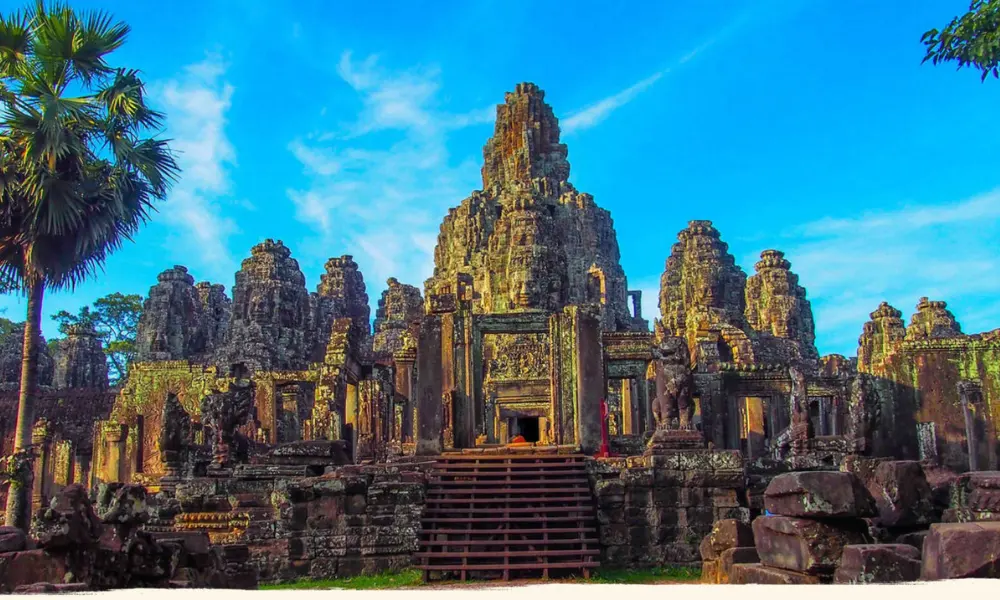
Secondly, Angkor Thom is one of the most important sites within the Angkor complex and once served as the last capital of the Khmer Empire. The site is located about 1.5 kilometers north of Angkor Wat, making it easy to combine both destinations in one itinerary. Angkor Thom is especially notable for its massive city gates and architecture strongly influenced by Buddhism.
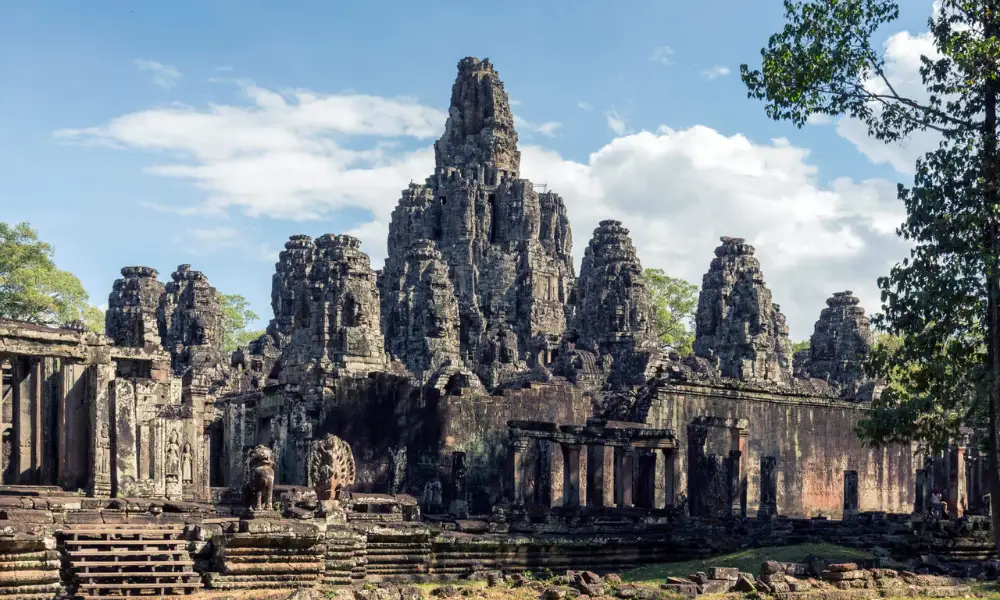
At the center of Angkor Thom stands the Bayon Temple, famous for its mysterious giant stone faces. The complex clearly reflects the political power and religious beliefs of King Jayavarman VII. Due to its exceptional historical and architectural value, Angkor Thom is considered a must-visit destination when exploring the Angkor area.
Ta Prohm
Thirdly, Ta Prohm is one of the most famous and distinctive temples within the Angkor complex. The temple is located in the eastern part of the site and can be easily combined with other nearby temples during a visit. Built in the late 12th century under the reign of King Jayavarman VII, Ta Prohm reflects strong Buddhist influences.
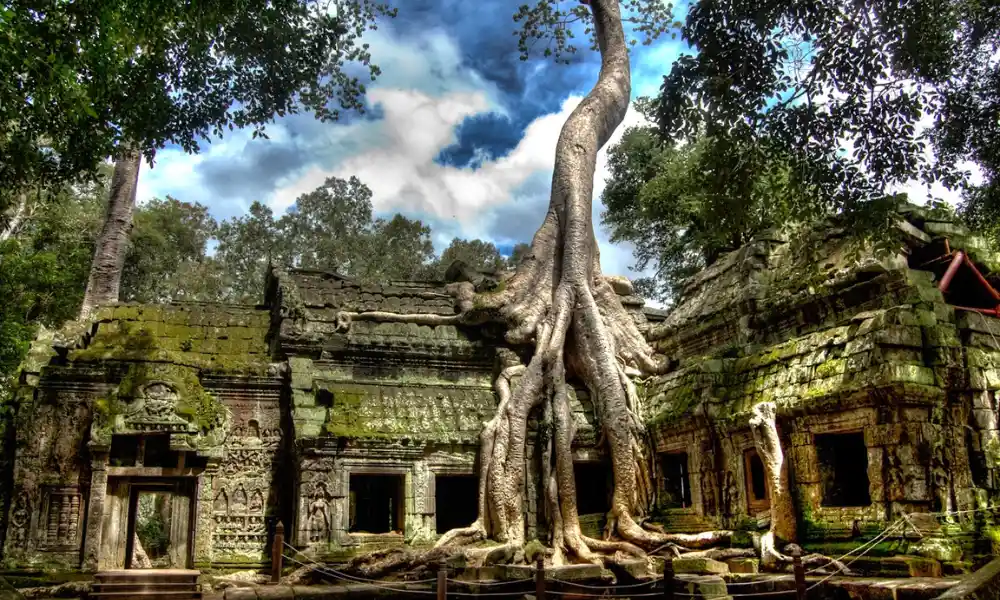
In terms of architecture, Ta Prohm stands out for its raw and untouched appearance rather than grand symmetry. Its most remarkable feature is the enormous tree roots intertwined with the stone structures, creating a mysterious and almost surreal landscape. This unique harmony between nature and ancient ruins is the main reason why Ta Prohm has become one of the most iconic and photographed temples in Angkor.
Banteay Srei
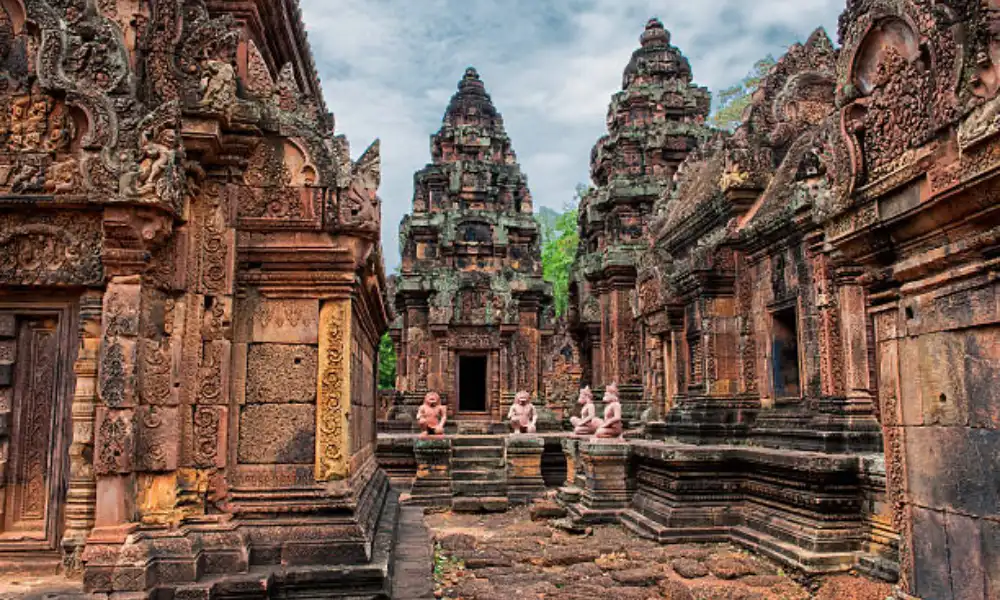
Besides, Banteay Srei is a small but exceptionally refined temple within the Angkor complex. Located farther from the main temples, it is famous for its pink sandstone and extremely detailed carvings. Thanks to its exquisite craftsmanship, Banteay Srei is often considered a masterpiece of classical Khmer art.
Preah Khan
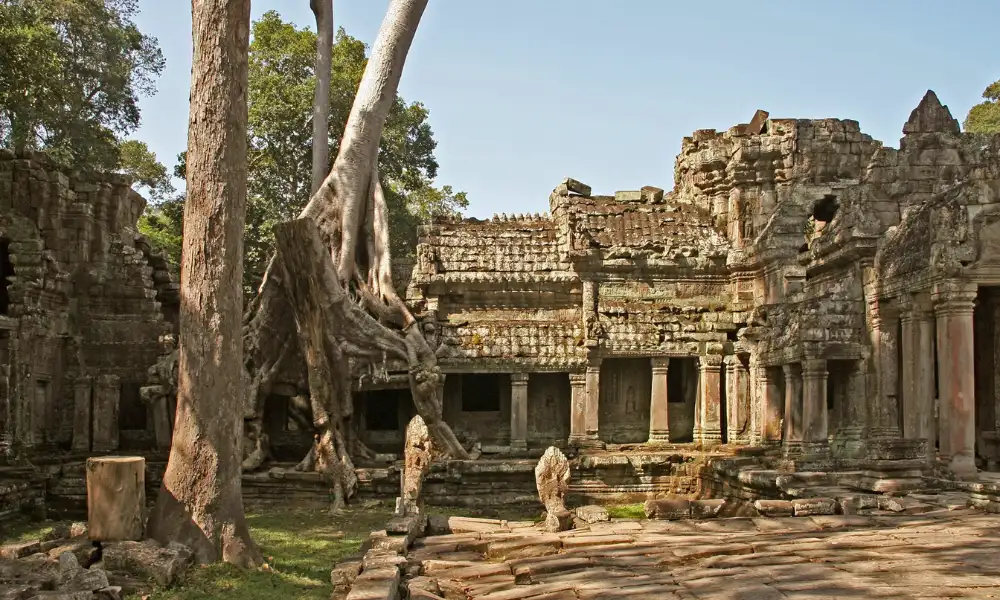
Finally, Preah Khan is a large temple complex that once served as a religious and educational center during the Khmer Empire. Unlike the more crowded temples, Preah Khan offers a quieter and more atmospheric experience. Its long corridors, layered structures, and partially unrestored sections highlight the spiritual and historical depth of the site.
Must-Have experiences at Angkor Wat
Watching the sunrise at Angkor Wat temple is the most iconic and memorable experience for visitors. As the sun slowly rises behind the ancient towers, its reflection on the surrounding ponds creates a magical and serene scene. This moment is also perfect for photography and for enjoying the peaceful atmosphere of the temple complex.
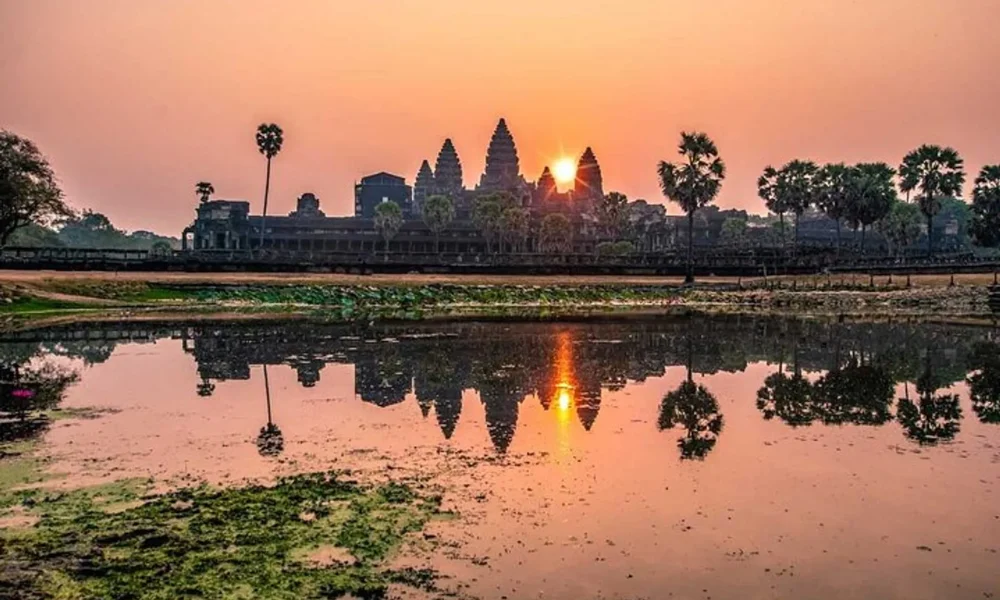
If access is available, climbing to the upper levels of the temple of Angkor Wat offers an impressive panoramic view. From above, visitors can clearly appreciate the symmetrical layout and vast scale of the complex. This experience highlights the architectural brilliance and grandeur of Angkor Wat.
In the afternoon, walking around the temple grounds allows visitors to enjoy a quieter and more contemplative atmosphere. Travelers can also combine their visit with nearby temples such as Angkor Thom, Bayon, and Ta Prohm to gain a deeper understanding of the Angkor complex. Each site offers a unique character, making the overall journey more enriching and complete.
Travel tips for visiting Angkor Wat
The best time to visit Angkor Wat is from November to March, when the weather is cooler and drier, making sightseeing more comfortable. Visitors should wear appropriate clothing when entering the temples, covering shoulders and knees to respect the sacred atmosphere of the Angkor Wat temple Cambodia. Arriving early in the morning helps avoid crowds and strong sunlight, while also offering a more peaceful experience.
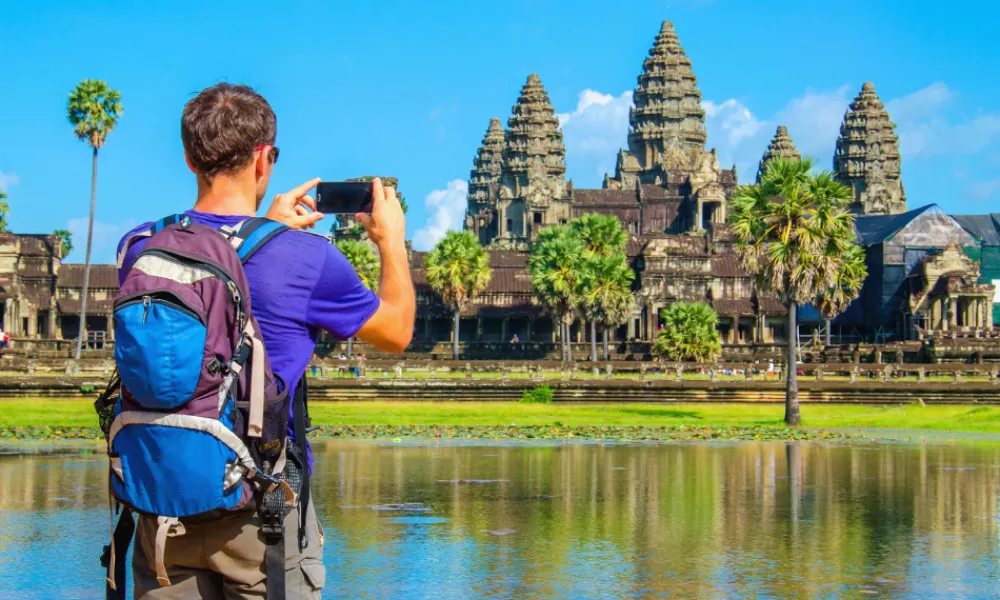
Depending on personal interest, hiring a local guide can greatly enhance understanding of the history and symbolism of the temples. It is recommended to bring water, a hat, and sunscreen when exploring the vast Angkor complex under the tropical sun. The Angkor Wat entrance ticket is available in 1-day, 3-day, or 7-day options, with prices starting at around USD 37 for a one-day pass, allowing visitors to plan their visit flexibly.
In conclusion, the Angkor Wat temple is not only a world-famous historical site but also the highlight of any journey to Cambodia. Beyond Angkor, travelers can explore many other iconic destinations such as Angkor Thom, Bayon, Ta Prohm, Phnom Penh, Tonlé Sap Lake, and the coastal city of Sihanoukville. Together, these destinations showcase Cambodia’s rich history, vibrant culture, and diverse landscapes, making the country a truly rewarding place to visit.