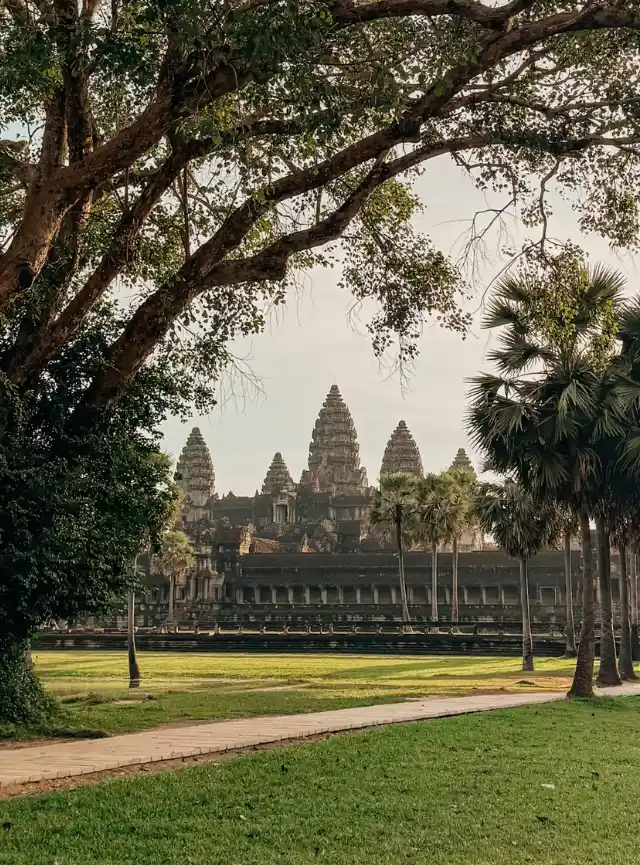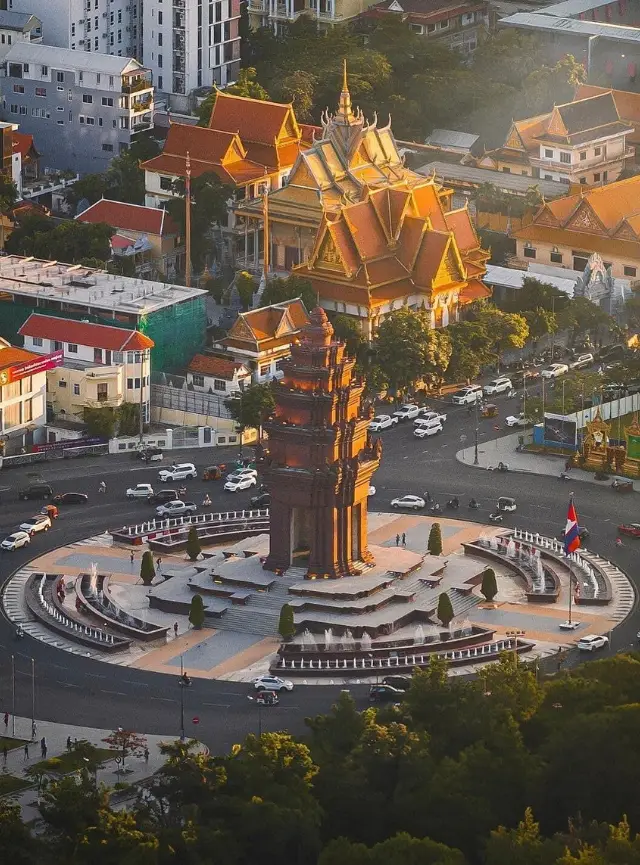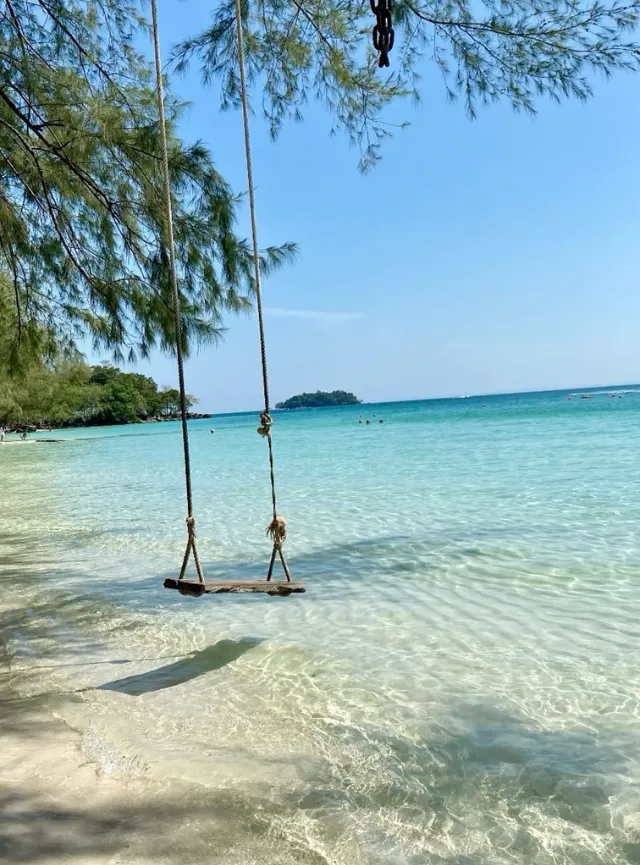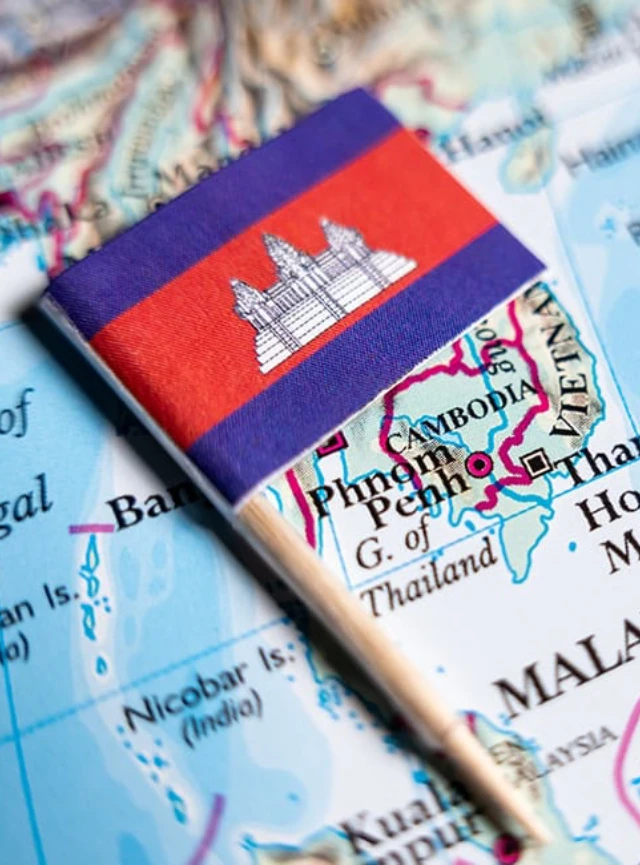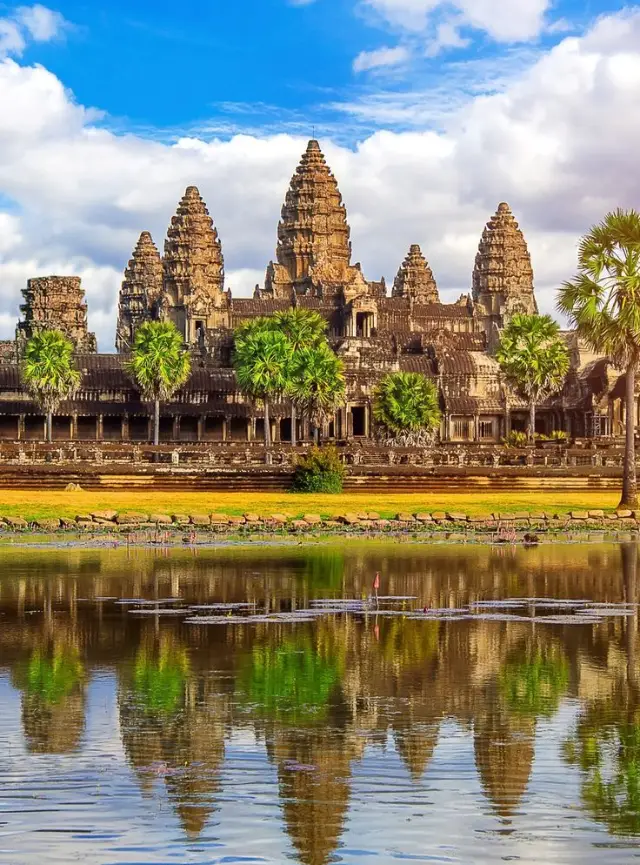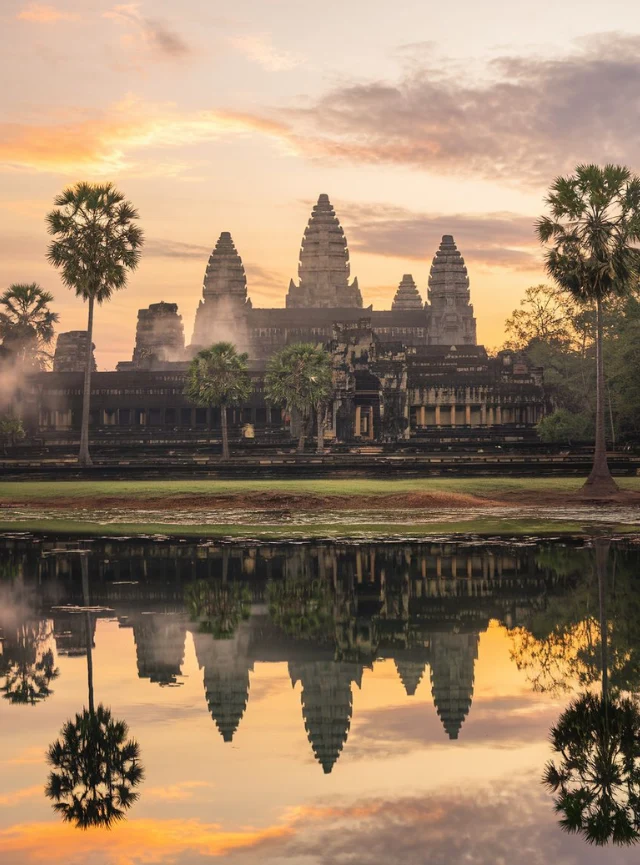
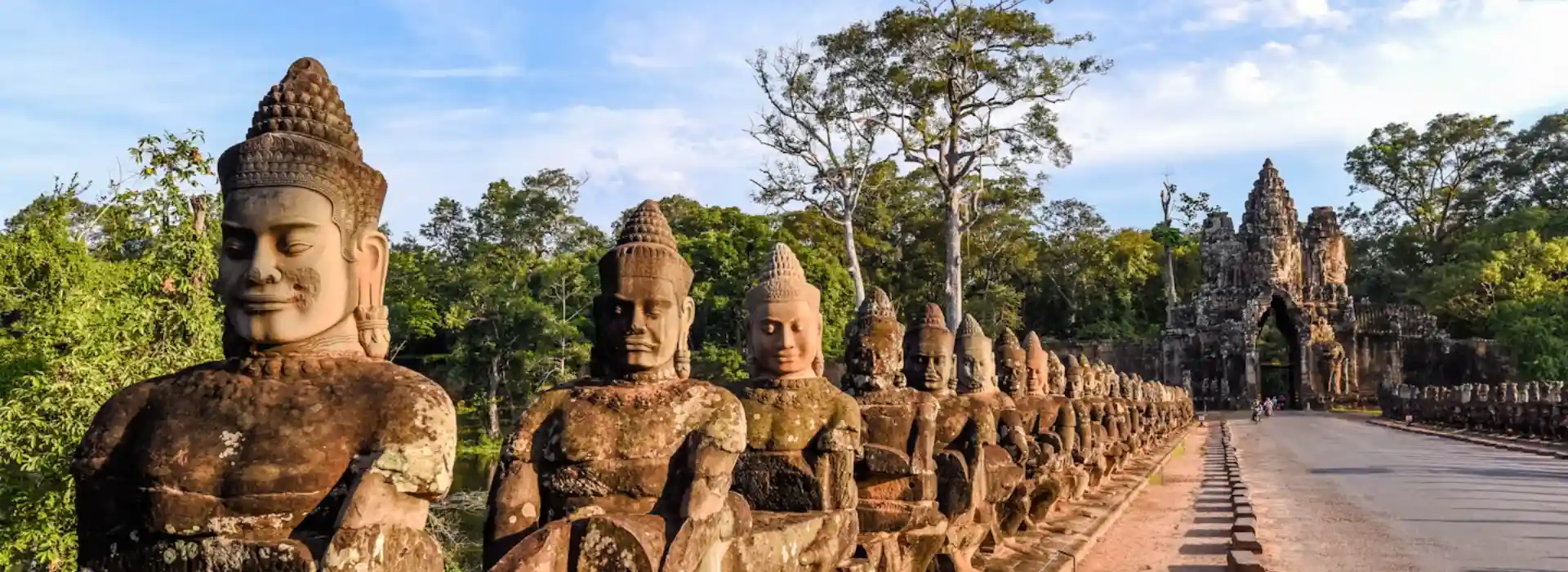
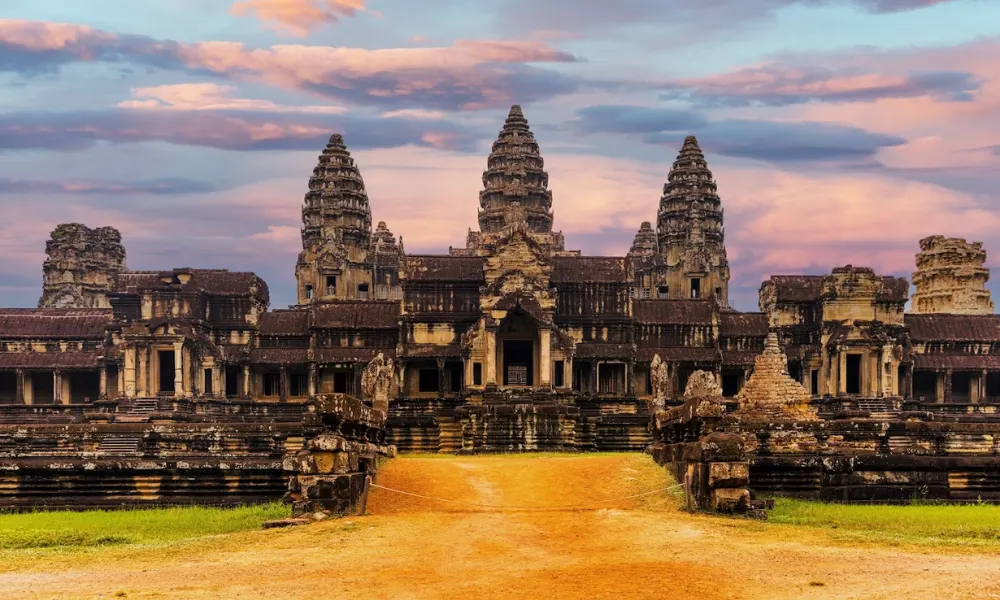
Cambodia is one of the most remarkable destinations in Southeast Asia, attracting travelers with its rich history, unique Khmer culture, and breathtaking natural landscapes. The country is home to world-famous attractions such as Angkor Complex, Siem Reap, Palace of Phnom Penh, Sihanoukville Beach, and Koh Rong Island. Beyond its fascinating cultural experiences, Cambodia is also an ideal destination for those who enjoy exploring history, local cuisine, and authentic daily life.
Before embarking on a journey to Cambodia, travelers often focus on important requirements such as passports, visas, and entry regulations. However, preparing for your health is equally important. Learning about the recommended vaccinations for Cambodia can help reduce health risks and ensure a safer and more enjoyable trip.
Are vaccinations required for travel to Cambodia?
Currently, Cambodia does not require most international travelers to present proof of vaccination upon entry. For travelers from English-speaking countries, entry requirements mainly involve a valid passport and the appropriate visa for the purpose of their visit. However, these regulations may be adjusted in response to public health emergencies or global disease outbreaks.

Some travelers arriving from or transiting through countries with a risk of yellow fever transmission may still be required to present an International Certificate of Vaccination. In such cases, yellow fever is considered one of the mandatory vaccines for Cambodia to help prevent the cross-border spread of infectious diseases. In contrast, vaccines such as Hepatitis A, Hepatitis B, Typhoid, MMR, and Seasonal Influenza are recommended for personal health protection but are not required for entry into Cambodia.
Recommended vaccines before traveling to Cambodia
Although Cambodia does not require most visitors to receive mandatory vaccinations before arrival, health experts strongly recommend obtaining certain vaccines before traveling. This is particularly important for travelers planning to explore multiple regions or stay in the country for an extended period. Below are some of the most commonly Cambodia recommended vaccines for travelers visiting this country.
Hepatitis A vaccine
This vaccination Cambodia is one of the most common illnesses travelers may encounter when visiting developing countries. The virus is typically transmitted through contaminated food and water. Risks may arise from eating street food, consuming unwashed vegetables, or using ice made from unsafe water sources.
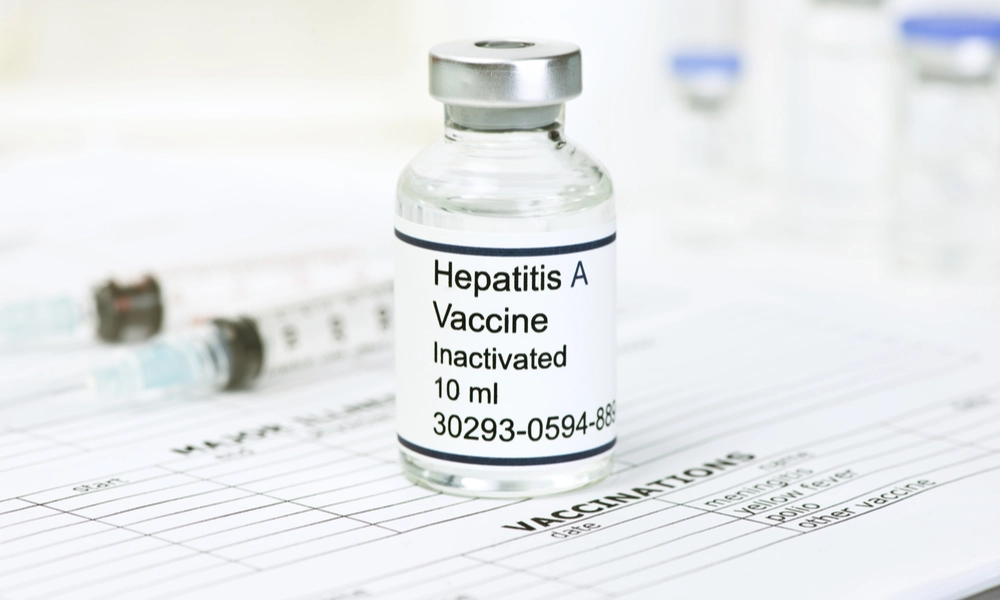
Even travelers staying in hotels or resorts are not completely immune to the risk of infection. The Hepatitis A vaccine is recommended for most international visitors traveling to Cambodia. In particular, individuals who have never been vaccinated or do not have natural immunity should consider getting vaccinated before departure.
Hepatitis B vaccine
It is primarily transmitted through blood, bodily fluids, or medical procedures that are not properly sterilized. Although the risk for short-term travelers is relatively low, vaccination is still recommended to enhance health protection. This vaccine is especially beneficial for those planning long-term stays or frequent travel between different regions.
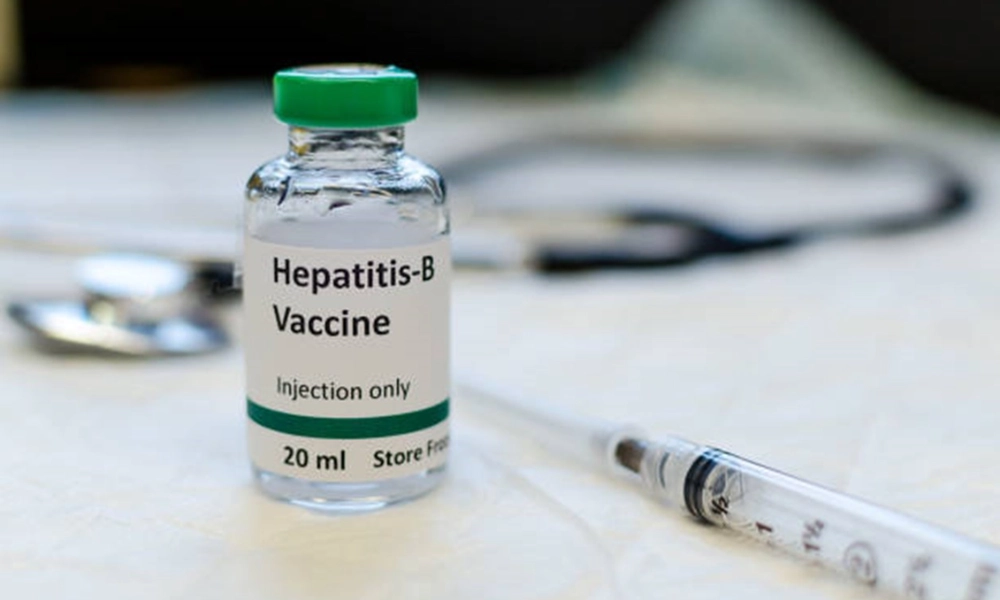
Travelers intending to visit remote destinations such as Mondulkiri, Ratanakiri, Kratie, or communities along the Mekong River should consider completing their vaccination schedule. In addition, volunteers, business travelers, and international students spending time in Cambodia may also benefit from this vaccine. Taking preventive measures can significantly reduce health risks and provide greater peace of mind throughout the journey.
Typhoid vaccine
This is a bacterial infection that can spread through food or water contaminated with Salmonella Typhi. The risk is generally higher when eating at crowded local markets or in areas with limited sanitation facilities. Rural provinces such as Preah Vihear, Stung Treng, Ratanakiri, Mondulkiri, and some remote areas surrounding Tonlé Sap Lake often have less developed healthcare infrastructure compared to major cities.
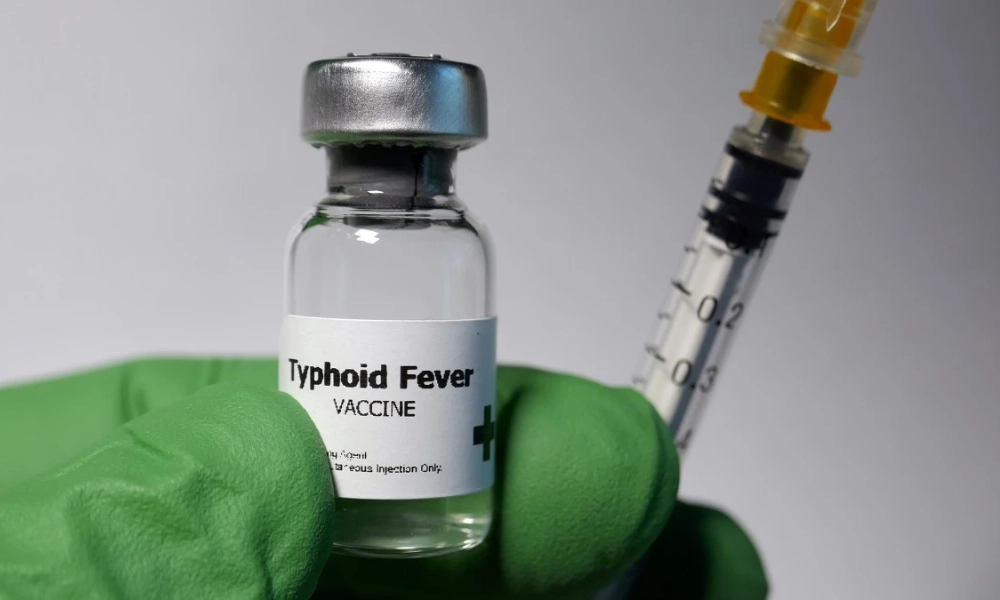
Travelers who enjoy adventure tourism, rural exploration, or extended trips should consider receiving the typhoid vaccine. It is also a suitable option for visitors who frequently consume street food. Cambodia vaccinations can significantly reduce the risk of infection and contribute to a healthier travel experience.
Tetanus, Diphtheria, and Pertussis (Tdap) vaccine
The Tdap vaccine protects against tetanus, diphtheria, and pertussis (whooping cough), three diseases that can lead to serious complications. Many people receive these vaccinations during childhood but may require booster doses later in life according to public health recommendations. While traveling, visitors often participate in outdoor activities, trekking, or visits to remote areas, increasing the risk of cuts and injuries.
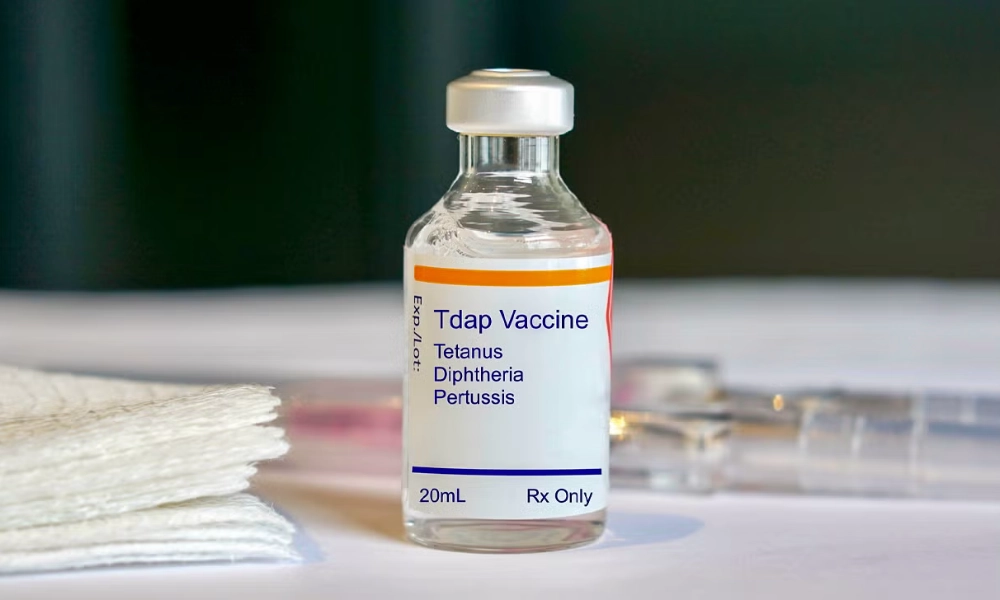
In the event of an open wound or abrasion, the risk of tetanus infection may rise if vaccination status is not up to date. Health professionals generally recommend reviewing your vaccination history before departure. This is considered one of the basic vaccinations for Cambodia recommended for nearly all travelers.
Measles, Mumps, and Rubella (MMR) vaccine
These disease outbreaks can still occur in various countries around the world. Traveling by air, visiting crowded tourist attractions, or attending international events may increase the risk of exposure to these diseases. Travelers should verify that they have completed the full MMR vaccination schedule.
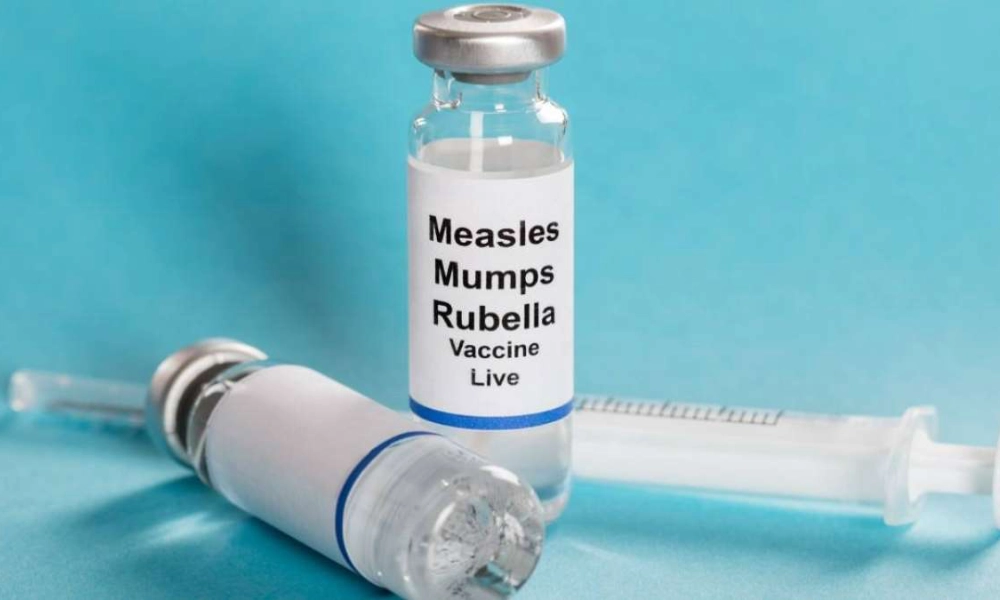
Individuals born before widespread vaccination programs were implemented may wish to consider additional protection. Being fully vaccinated helps protect both individuals and communities by reducing the spread of infectious diseases. It remains one of the simplest and most effective preventive measures before international travel.
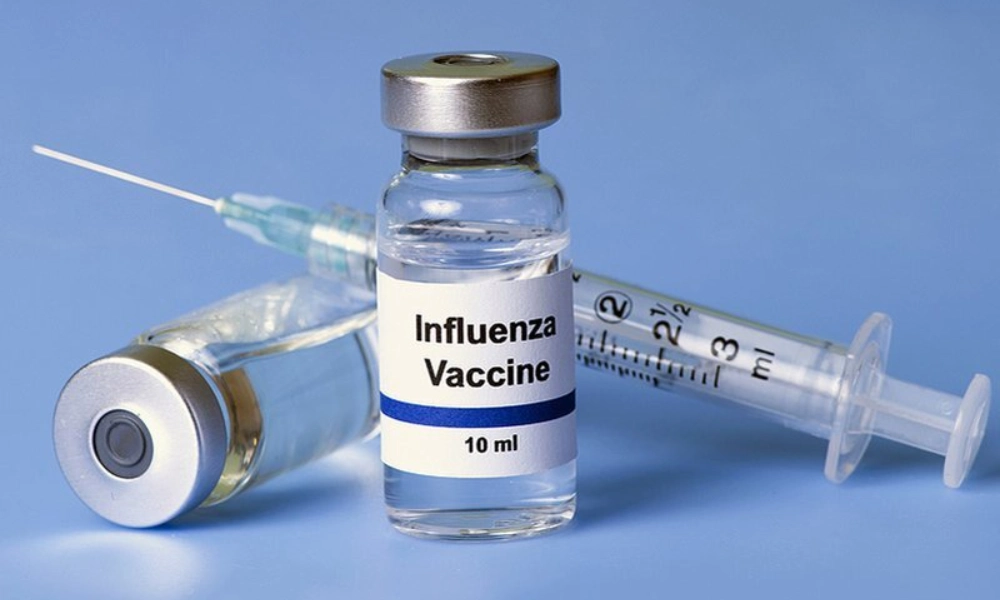
Seasonal influenza vaccine
Finally, seasonal influenza is a common infectious disease that can spread rapidly in crowded environments such as airports, airplanes, and tourist attractions. Receiving a seasonal flu vaccine can help reduce the risk of illness and minimize disruptions to your travel plans. It is particularly beneficial for older adults, children, and individuals with underlying health conditions.
When should you get vaccinated before your trip?
Health experts generally recommend completing any necessary vaccinations for Cambodia at least four to six weeks before departure. This timeframe allows the body sufficient time to build effective immunity. Some vaccines require multiple doses to provide optimal protection.
In such cases, planning ahead is especially important. If you intend to take a long trip during best time to travel or visit multiple regions throughout Cambodia, consulting a healthcare professional is highly advisable. Preparing your health in advance will help ensure a safer and more comfortable travel experience.
Health tips for traveling in Cambodia
In addition to vaccination, travelers should follow a few simple precautions to stay healthy throughout their journey. Small preventive measures can significantly reduce the risk of illness. Here are some practical health tips for visitors traveling to Cambodia:
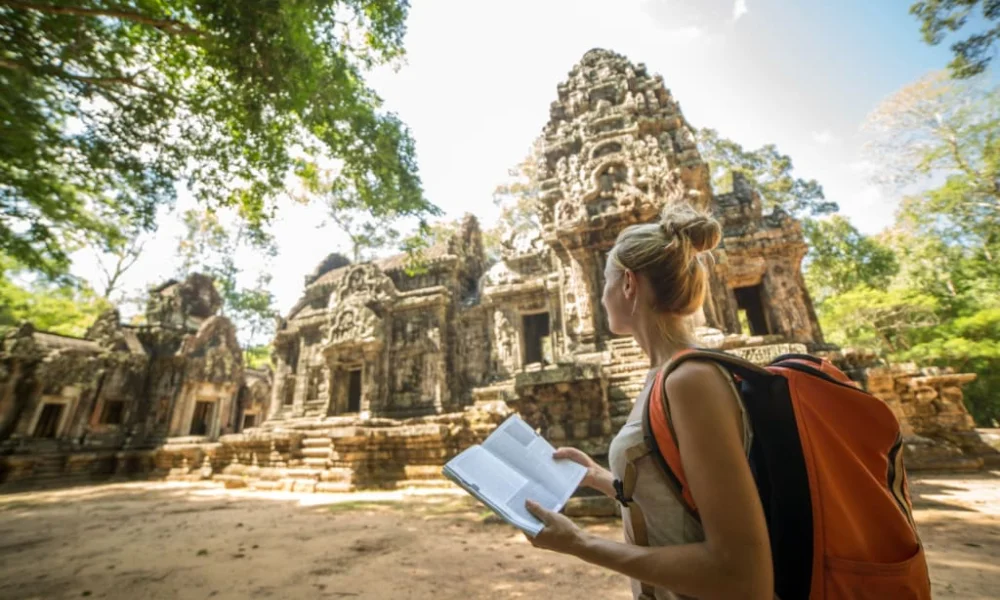
- Bring any necessary personal medications and prescriptions.
- Drink bottled water or properly treated water.
- Use mosquito repellent, especially when visiting natural areas or spending time outdoors, on the beaches in the evening.
- Purchase travel insurance to ensure support in case of medical emergencies or unexpected incidents.
With Avex Vietnam Travel, preparing for your health before a trip is just as important as arranging your visa, currency and travel itinerary. Learning about Cambodia vaccine requirements can help minimize health risks and allow you to enjoy your journey with greater confidence. By choosing the appropriate vaccinations for Cambodia based on professional recommendations, you can explore the unique beauty of the Kingdom of Wonder with peace of mind.