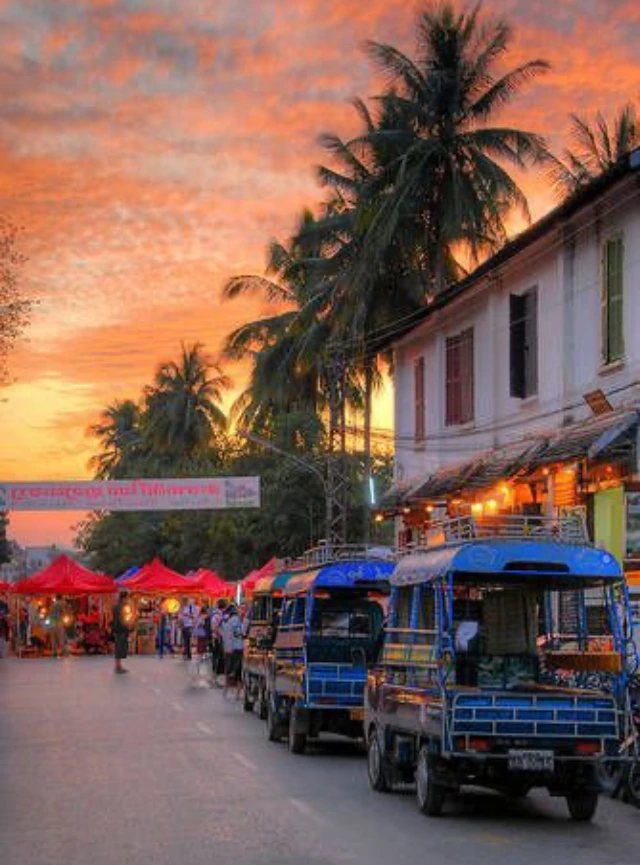
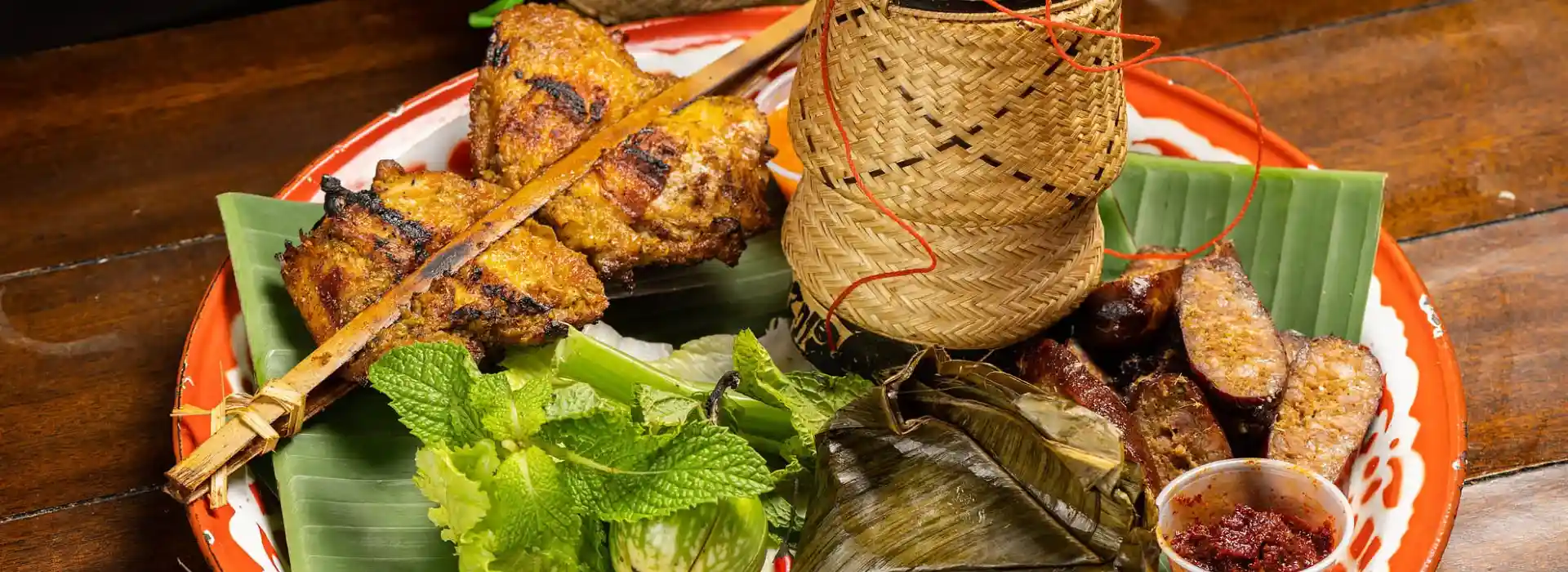
Laos is a peaceful Southeast Asian country known for its beautiful places, unspoiled natural beauty and slow-paced lifestyle. Beyond its landscapes and cultural charm, it also captivates visitors with a rich and distinctive culinary scene. One of the highlights of traveling to Laos is the opportunity to explore Laos food.
From the capital Vientiane to Luang Prabang and Pakse, each city offers its own unique flavors and cooking styles. This diversity creates an exciting culinary journey for travelers. Let Avex Vietnam Travel guide you in discovering Laos and make your trip even more memorable.
Larb
Considered the “soul” of Laos foods, Laos larb stands out for its harmonious blend of flavors. It is typically made with minced meat such as chicken, beef, or pork, mixed with lime juice, chili, toasted rice powder, and fresh herbs. The combination of sour, spicy, and savory notes creates a refreshing yet bold taste.
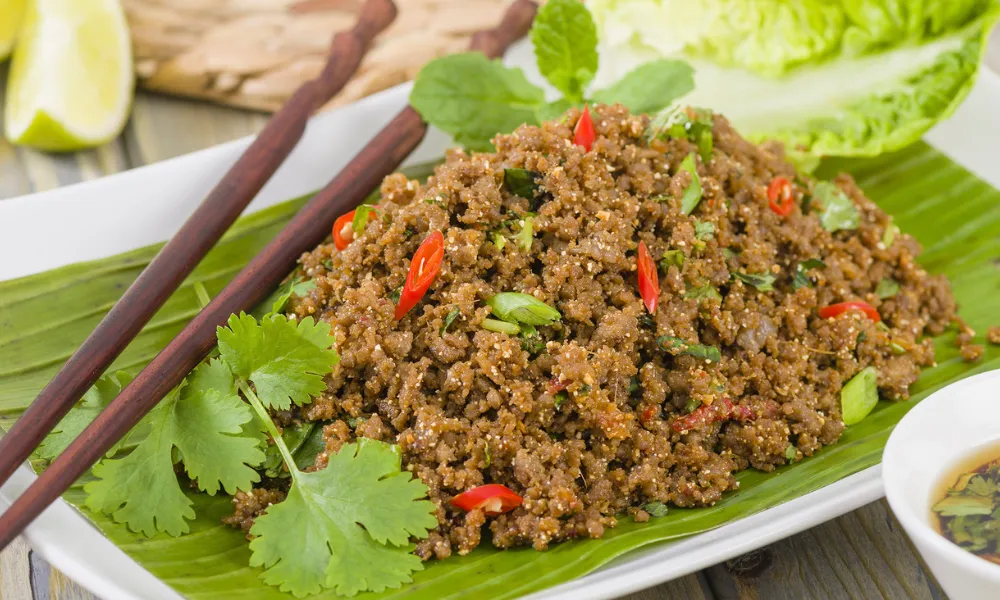
Preparation varies by region, with Luang Prabang sometimes serving it raw or rare, while Vientiane prefers Lao larb fully cooked. These variations make the dish even more interesting to explore. It can be easily found in local restaurants and traditional eateries across the journey to Laos.
Sticky Rice
A staple in daily Lao meals, sticky rice or khao niew Lao plays a role similar to steamed rice in many other cultures. Made from glutinous rice, it has a soft, chewy texture and is traditionally eaten by hand. What makes this Laos food special is that it accompanies almost every savory dish, tying the entire meal together.
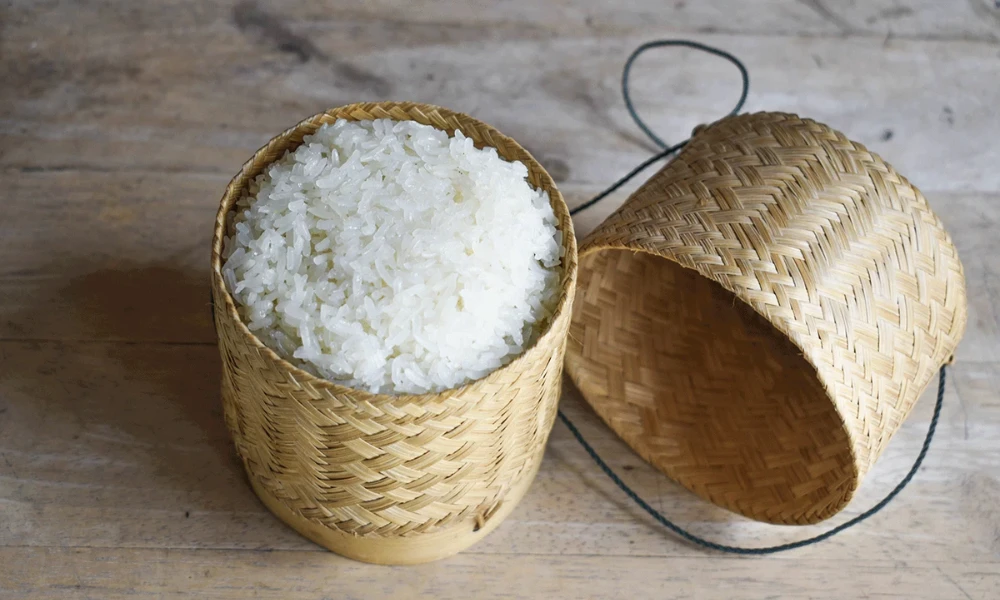
Depending on the region, the type of rice and cooking method can result in subtle differences in flavor. Rural areas are often known for their more fragrant and naturally grown rice. Travelers can find Laos food sticky rice everywhere, from local markets with khao niew Lao street food to traditional restaurants.
Tam Mak Hoong
This iconic papaya salad is a Laos street food favorite known for its bold and intense flavors. Tam Mak Hoong Laos is prepared by pounding green papaya with chili, garlic, fish sauce, and fermented fish paste (padaek). The result is a spicy, salty dish with a strong, distinctive aroma.
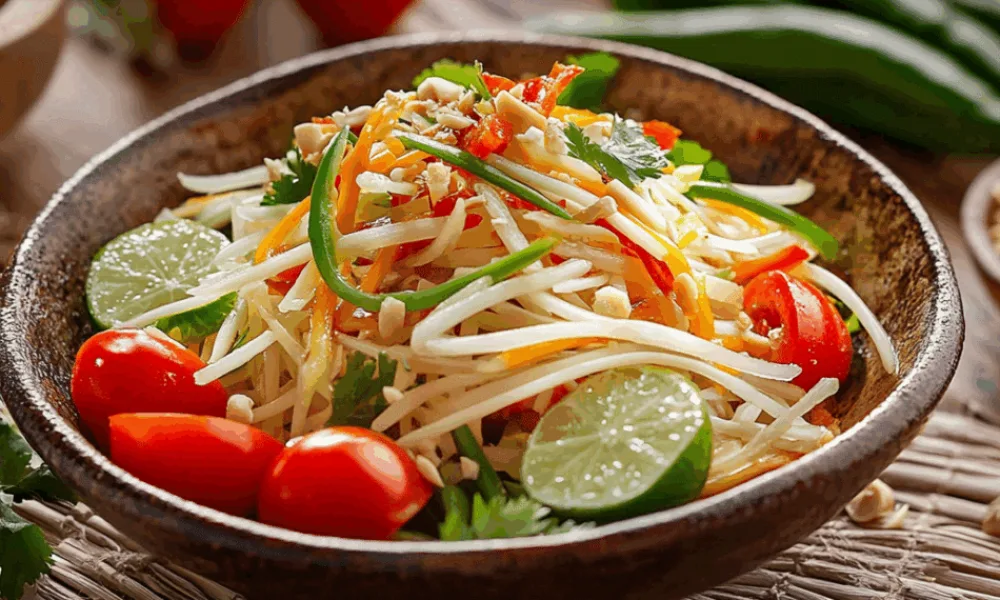
Flavor intensity varies across regions, with some areas adjusting the spice level to local preferences. The version in Luang Prabang is often milder compared to others. It is widely available at street stalls and local markets.
Khao Piak Sen
A comforting noodle soup, Laos khao piak sen is especially popular for breakfast. The noodles are handmade, soft, and slightly chewy, served in a rich broth simmered from bones. This Laos food is commonly topped with chicken or pork along with fresh herbs.
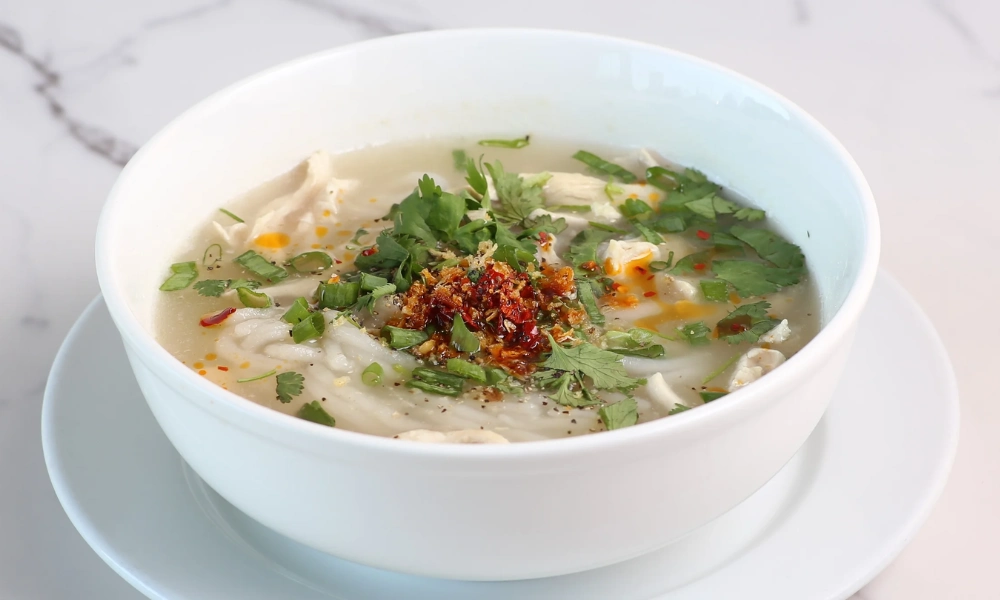
The overall flavor is light yet satisfying, making it easy to enjoy at any time of day. Regional variations may affect the richness and seasoning of the broth. Khao piak sen Laos can be found in local eateries throughout Laos.
Mok Pa
This traditional steamed fish dish reflects the essence of Lao cooking techniques. About the mok pa Lao recipe, Fish is marinated with lemongrass, kaffir lime leaves, chili, and herbs, then wrapped in banana leaves and steamed. This method preserves the natural sweetness and delicate aroma of the ingredients.
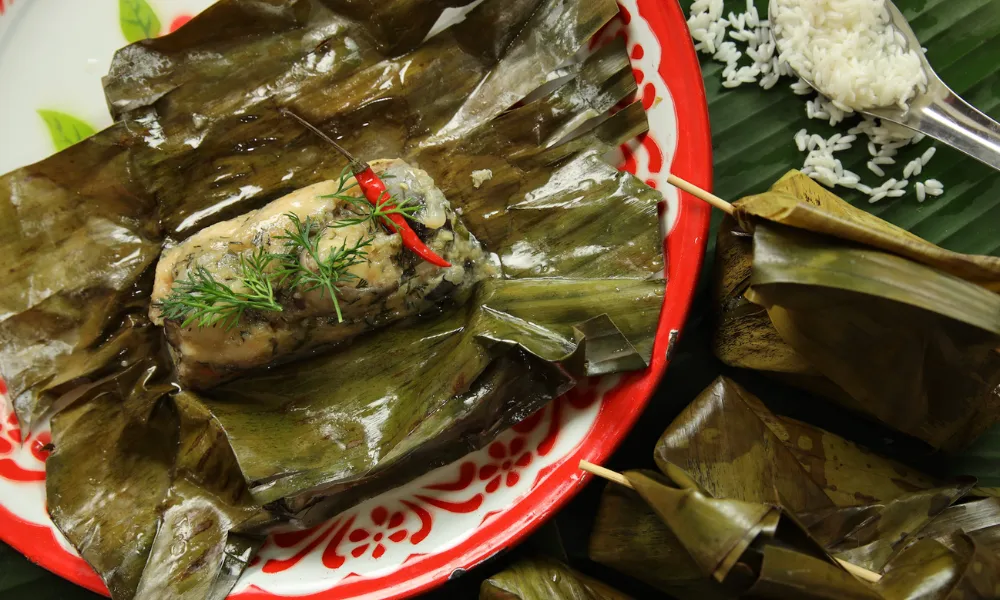
The flavor of mok pa Laos is light, fragrant, and not overly spicy. Different regions may use various types of fish and local herbs depending on availability. This traditional Laos food is commonly served in traditional restaurants and local markets.
Or Lam
Originating from Luang Prabang, this stew is known for its distinctive and memorable flavor. Or lam Laos combines meat, vegetables, and a special type of forest chili that creates a mild numbing heat. The texture is slightly thick, unlike typical soups.
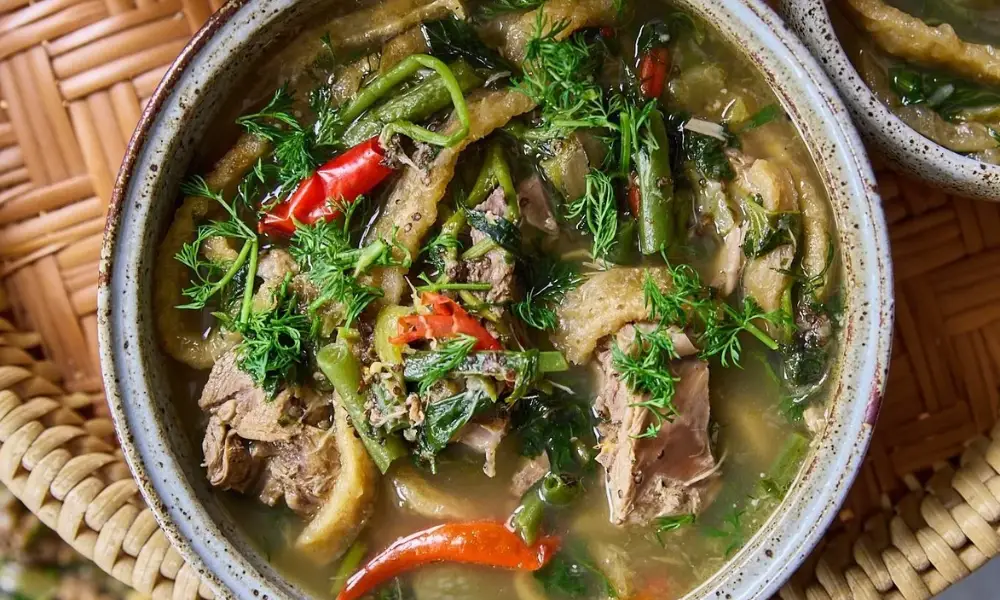
Its rich taste blends spiciness with herbal aromas. In different regions, ingredients may vary depending on local availability while still preserving its unique character. It is best enjoyed in local restaurants, especially in Luang Prabang.
Exploring Laos food is one of the most authentic ways to experience the country’s culture and local lifestyle. Each dish offers a unique taste that reflects regional traditions and flavors across the country. If you are interested, consider choosing the best time to travel to Laos to fully enjoy both its cuisine, prepare your visa and overall experience.