
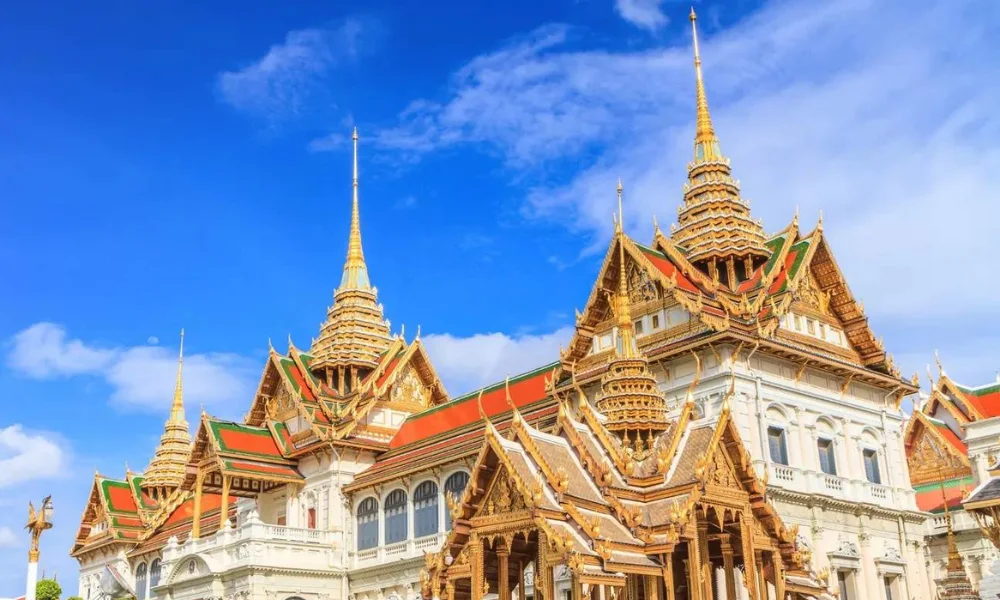
Travel to Thailand attracts visitors with its perfect blend of rich culture, diverse landscapes and a vibrant lifestyle, and choosing the best time to visit Thailand plays an important role in creating a memorable trip. Iconic destinations such as Bangkok, Chiang Mai, Phuket, Krabi and Pattaya offer a wide range of experiences, from sacred temples to stunning beaches. In addition, Thai cuisine, with famous dishes, is an unforgettable highlight for travelers.

Each season in Thailand is suitable for different activities, from cultural exploration to relaxing beach holidays. Therefore, travelers should carefully consider weather and climate conditions before planning their journey. Avex Vietnam Travel will help you gain a deeper understanding of Thailand’s climate, making it easier to choose the ideal time to travel and enjoy the country to the fullest.
Overview of Thailand’s Climate
Thailand is located in Southeast Asia and is strongly influenced by a tropical monsoon climate, with high temperatures throughout the year and relatively high humidity. The country’s weather changes with the monsoon seasons, creating clear differences in rainfall and temperature at different times of the year. In this article, we will explore in more detail the three main seasons in Thailand to help travelers choose the most suitable time to visit.
Cool season
The cool season in Thailand usually lasts from around November to February, when the northeast monsoon is dominant. During this period, average temperatures are slightly lower than in other months, ranging from about 18 to 30 degrees Celsius depending on the region. The weather is generally dry, with low rainfall and mostly clear skies.
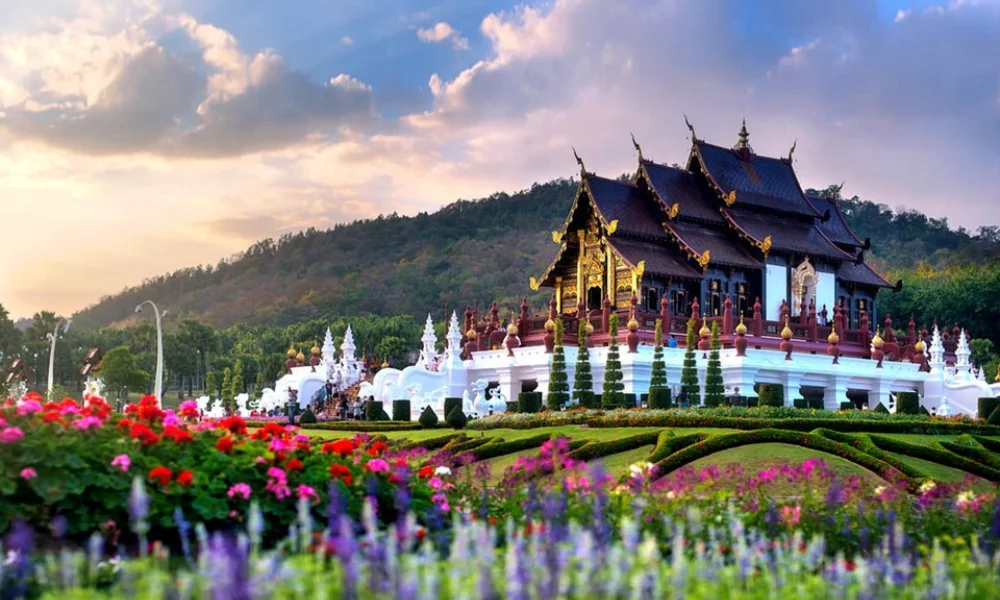
Cooler air and more comfortable humidity levels make outdoor activities more pleasant. At night and in the early morning, northern areas such as Chiang Mai and Chiang Rai can feel slightly chilly. Thanks to these conditions, the cool season brings stable and comfortable weather across much of Thailand.
Hot season
The hot season in Thailand usually occurs from March to May and is considered the period with the highest temperatures of the year, it isn’t the best time to visit Thailand. Intense sunlight lasts throughout the day, making the environment dry and extremely hot, especially around midday and early afternoon. Many areas experience persistently high temperatures, at times exceeding 38 degrees Celsius.
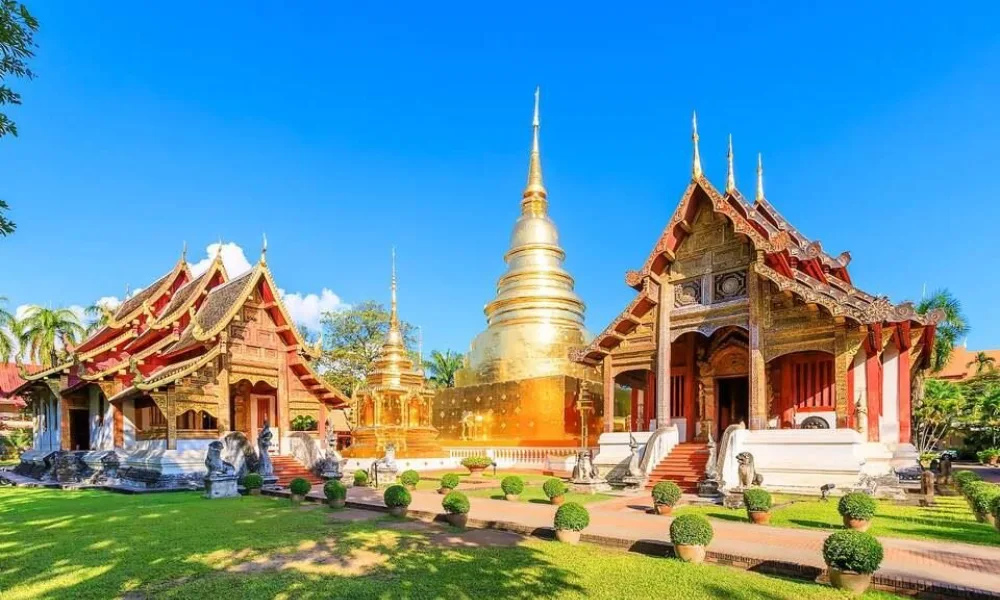
The air feels noticeably stifling due to the combination of heat and high humidity. Rainfall is limited during this season, with clear skies and sunshine dominating most days. These characteristics create a distinct hot season that clearly sets it apart from other times of the year in Thailand.
Rainy season
The rainy season in Thailand usually lasts from around June to October and is mainly influenced by the southwest monsoon. Weather during this period is characterized by sudden showers, which often occur in the afternoon or evening. Increased rainfall leads to high humidity levels, creating a noticeably damp atmosphere.

Although rainfall is more frequent than in other seasons, it rarely lasts all day and is often followed by clear intervals. Nature becomes lush and vibrant, with rivers and waterfalls carrying more water. However, weather conditions can change quickly, sometimes bringing heavy rain and strong winds in certain areas.
Thailand weather by month
In the following section, we will present a monthly summary table for Thailand to help you easily track key information. This table will highlight the main weather and climate characteristics throughout the year. As a result, travelers can quickly visualize and compare different months and the best time to visit Thailand when planning a trip to Thailand.
|
Seasons |
Months |
Travel characteristics by month |
|
Cool season |
January |
Thailand weather January is cool and dry, ideal for city sightseeing, temples and outdoor activities. |
|
February |
Thailand weather February is pleasant with little rainfall, suitable for cultural trips and nature exploration. |
|
|
Hot season |
March |
Weather in Thailand in March begins to intensify, dry conditions, good for beach destinations and resorts. |
|
April |
The weather in Thailand for April is very high with strong sunshine, with a lively atmosphere and traditional festivals. |
|
|
May |
The weather for Thailand in May continued to be hot with occasional showers toward the end of the month. |
|
|
Rainy season |
June |
Thailand weather in June with rainfall increases, mostly short showers, and landscapes become greener. |
|
July |
Thailand weather in July is higher in rainfall and humidity, with weather changing throughout the day. |
|
|
August |
Thailand weather on August has frequent rain, lush scenery, and fuller rivers and waterfalls. |
|
|
September |
The weather in Thailand in September is one of the wettest months, with consistently humid conditions. |
|
|
October |
Thailand weather October has gradually decreased toward the end of the month, and weather becomes more stable. |
|
|
Cool season |
November |
The weather in Thailand in November is cooler, with drier and more comfortable weather. |
|
December |
Thailand’s weather in December is stable and cool, ideal for year-end travel and outdoor activities. |
When is the best time to visit Thailand?
The best time of year to visit Thailand depends largely on each traveler’s preferences, interests and travel plans. In general, the period from November to February is commonly chosen thanks to stable and pleasant Thailand weather. However, every season in Thailand has its own characteristics and suits different types of travel experiences.
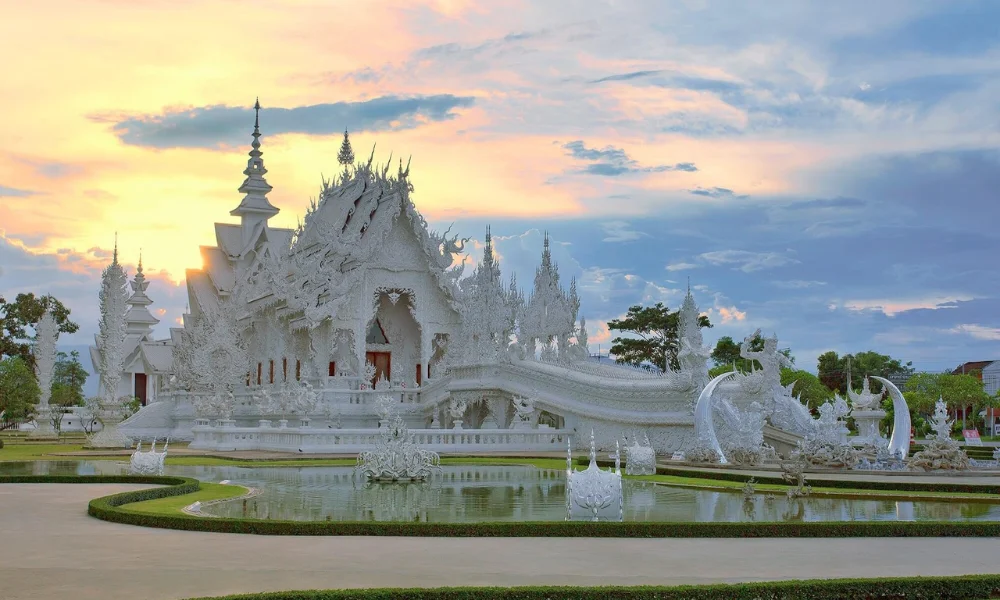
Travelers who enjoy festivals, beach holidays or nature exploration may also consider visiting outside the peak season. Understanding the weather in Thailand helps visitors plan their itineraries more effectively. As a result, trips to Thailand can be more enjoyable while balancing weather, experiences and travel costs.
Choosing the best time to visit Thailand allows travelers to fully enjoy iconic destinations such as Bangkok, Chiang Mai, Phuket, Krabi and Pattaya. From cultural heritage sites and ancient temples to stunning beaches and diverse natural landscapes, each destination offers unique experiences in different seasons. We hope this article helps you plan a complete and well-organized journey to Thailand.